
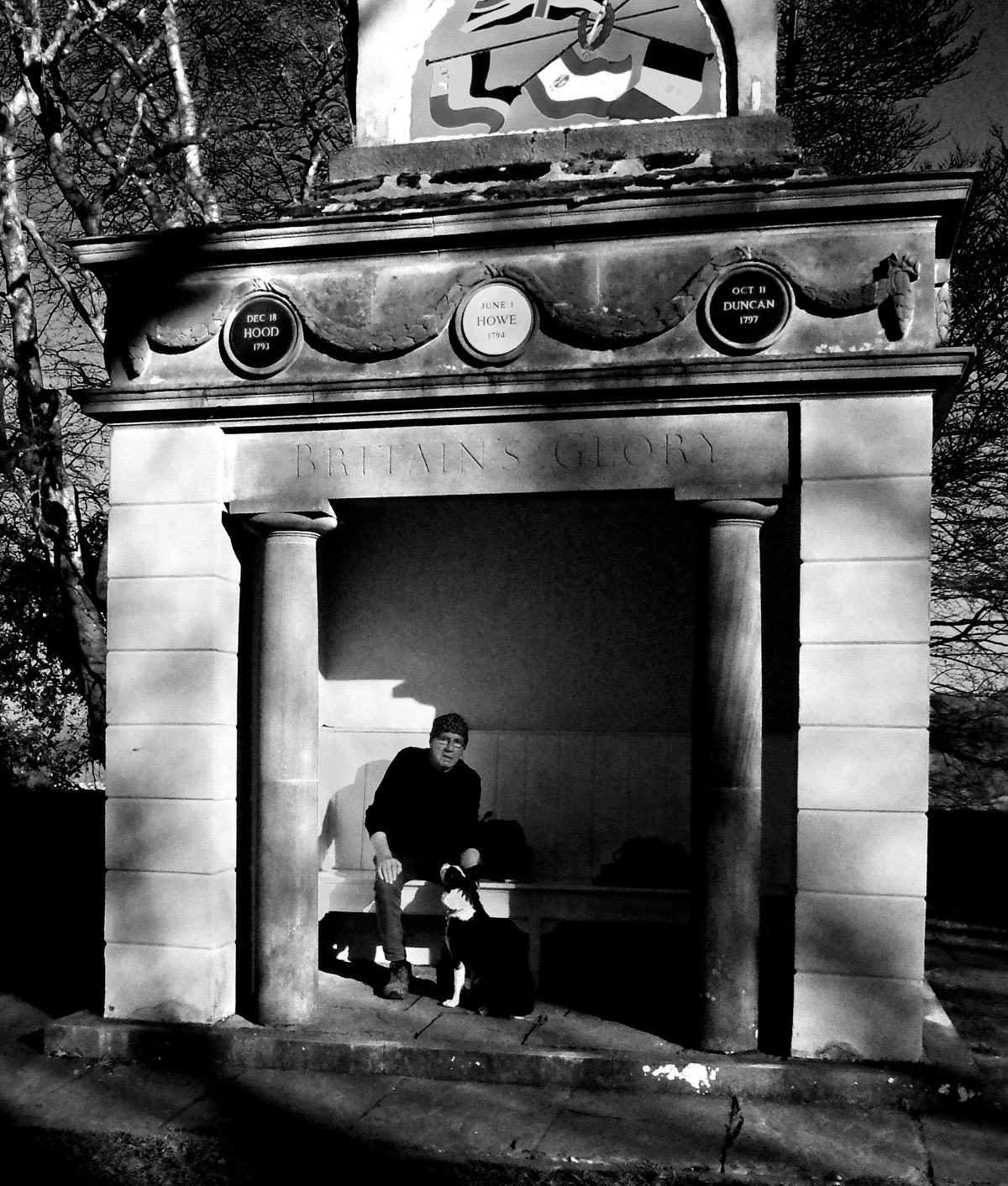
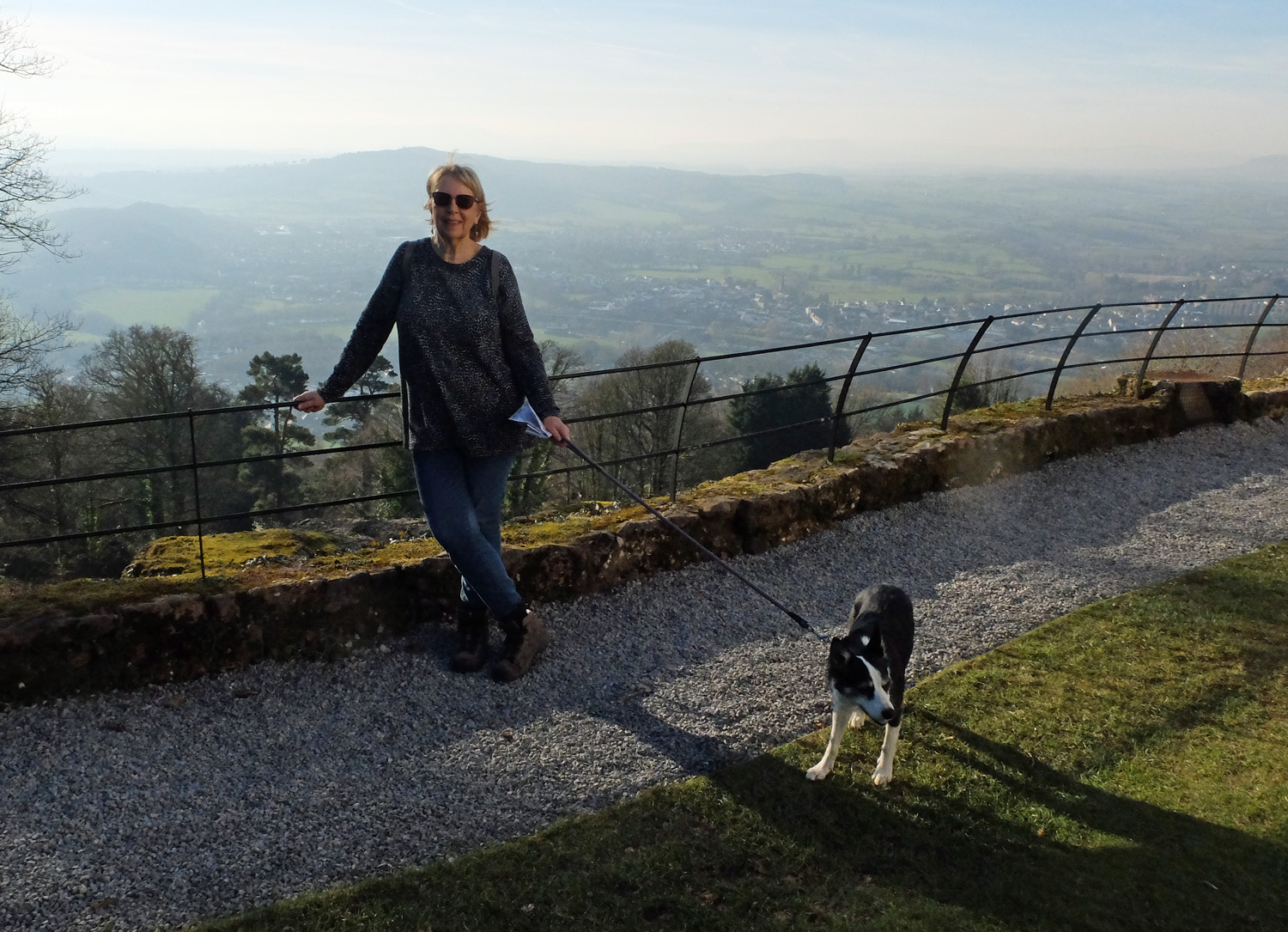
A walk with Miles and Flo (and Lucy) around Burrington on the edge of the Mendips, ending with lunch at The Plume of Feathers in Rickford and watching the geese on the lake. Nice day.


A walk with Miles and Flo (and Lucy) around Burrington on the edge of the Mendips, ending with lunch at The Plume of Feathers in Rickford and watching the geese on the lake. Nice day.
“This section crosses the gently undulating and very peaceful farmland of Monmouthshire. Leaving behind the River Wye you are now joined by its tributaries, the rivers Monnow and Trothy. This area is mainly sheep country but on route you will also pass through orchards, now mainly supplying apples to the cider industry. The Dyke itself is nowhere to found along this section of the Trail but the area has a rich medieval history with ruined castles and abbey sites. The Trail passes right alongside White Castle, well worth a visit if you have an hour to spare, a Norman castle originally probably built by William Fitz Osbern and then greatly improved in the 13th century by Hubert de Burgh. White Castle is one of 3 castles in the area, the others being Grosmont and Skenfrith, all three linked by the 16 mile Three Castles Walk.
The Trail also passes through the site of Abbey Grace Dieu. Founded in 1248 it was the last Cistercian house in Wales, nothing remains now except for a few grassy undulations. The route passes through the small villages of Llanfihangel Ystum Llywern, Llantilio Crosseny, White Castle and Llangattock Lingoed, all with churches that are well worth a brief visit. On the approach to Pandy there are great views of the Black Mountains including Hatterrall Ridge over which the next part of the Trail passes and Skirrid, sometimes known as Holy Mountain.” [https://www.nationaltrail.co.uk/offas-dyke-path/routes].


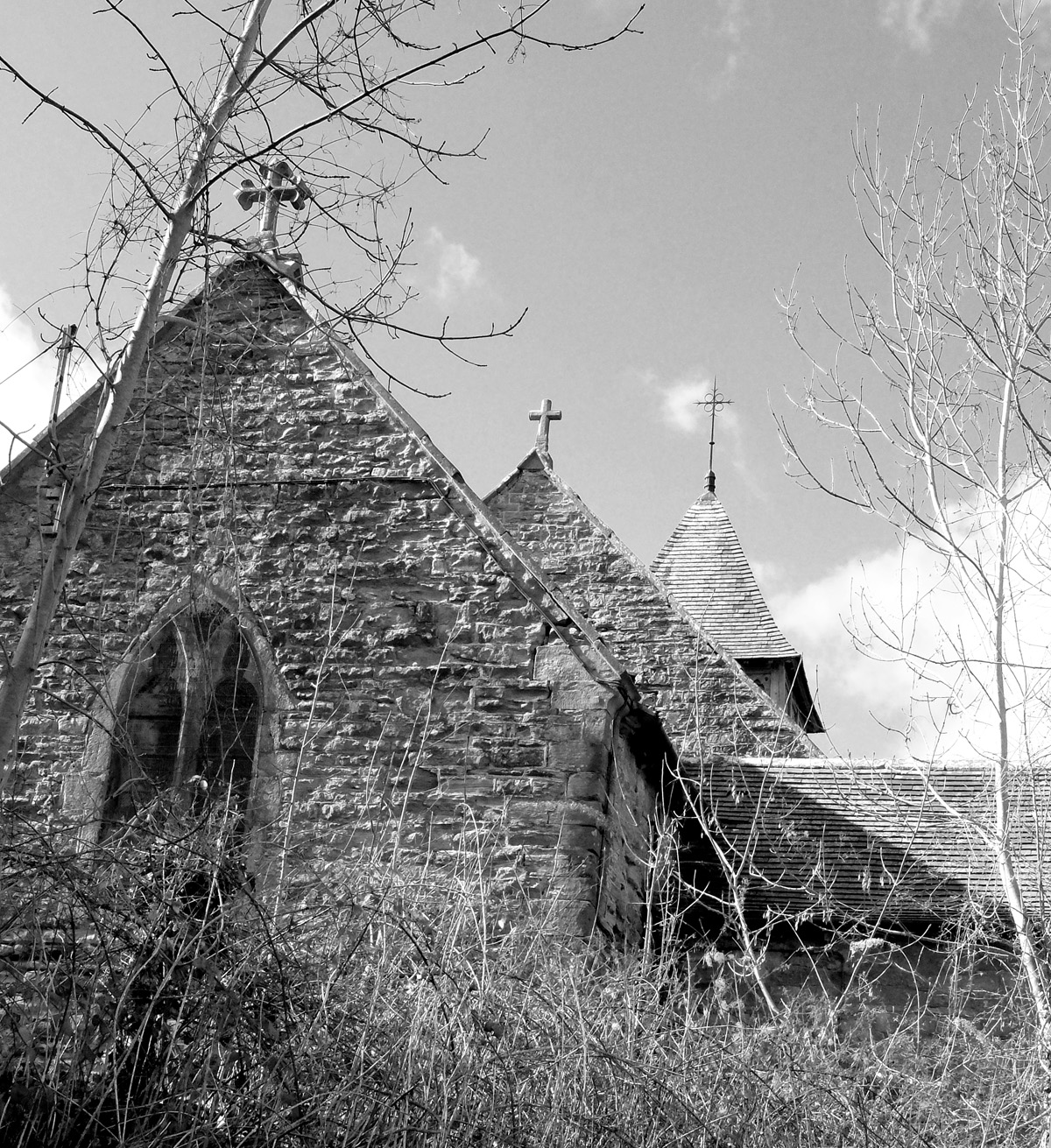
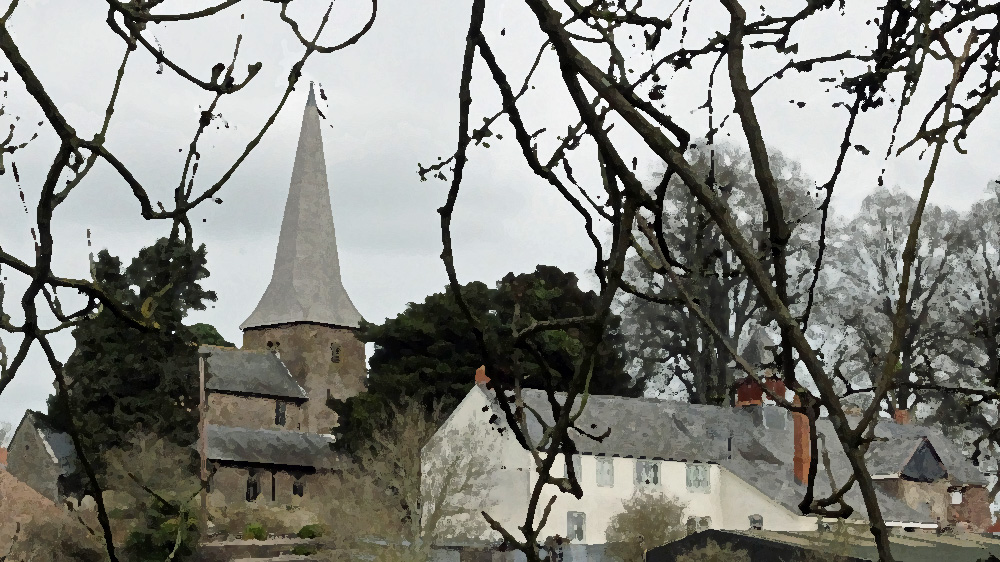




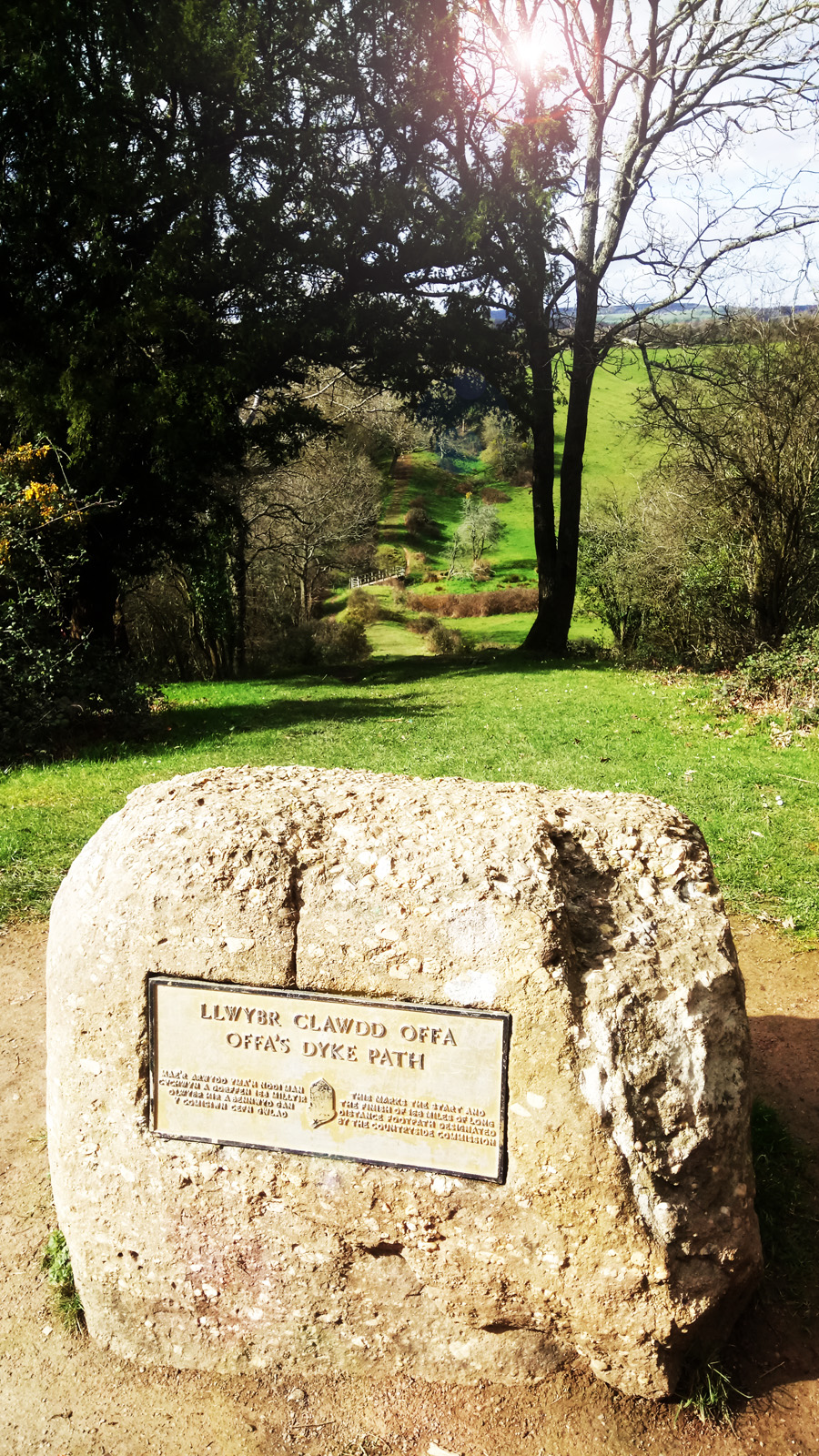
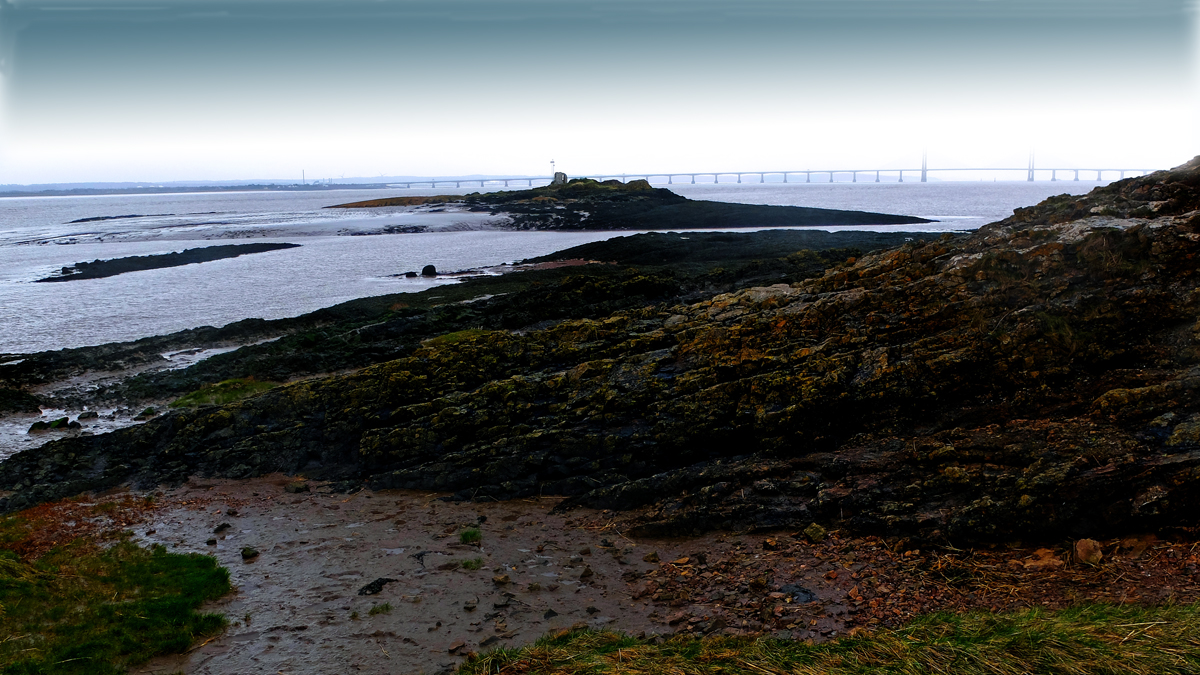
Offa’s Dyke Path starts in England overlooking the Severn estuary which is designated as a Maritime Natural Area. The estuary has the second highest tidal range in the world caused by the 5 rivers that feed the estuary and its funnel shape. The Dyke itself is first met at the very start of the Trail, close to Sedbury Cliff. The Trail passes to the east of Chepstow with views of Chepstow Castle, the oldest surviving post Roman fortification in Britain. From here the Trail continues its journey north on the eastern side of the River Wye high on the tree lined escarpment with a number of classic viewpoints, one of the most iconic being the view of Tintern Abbey from Devil’s Pulpit. The Trail makes its first of many journeys across the border into Wales at Redbrook and continues on to the viewpoint at The Kymin, with its 17th century banqueting hall and naval temple. This section of the Trail finishes in Monmouth, a Welsh border town situated at the confluence of the Rivers Wye, Monnow and Trothy and perhaps best known as the birthplace of Henry V. One of the town’s best known landmarks is the 13th century Monnow Bridge, the only remaining Medieval fortified bridge in Great Britain, which the Trail passes under. [https://www.nationaltrail.co.uk/offas-dyke-path/routes]
Making the most of some record-breaking weather at the end of February we were joined on some of the journey by our friends, F&P.




The super-transporter makes its first flight from Toulouse to Wales. Here over the Prince of Wales (“Second Severn Crossing”/M4) bridge.
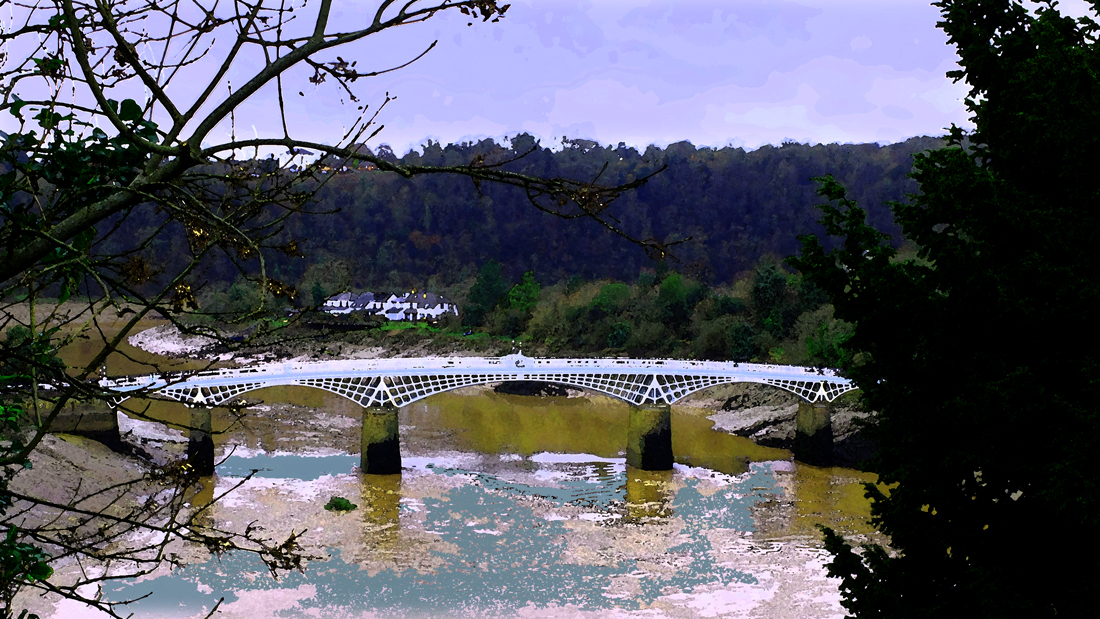
We’ve decided, probably rashly, to walk Offa’s Dyke Path this year. And, I expect, next year too. We’ve made a start, going all the way from the Severn Estuary at the mouth of the River Wye, just east of Chepstow, to, er, Chepstow. Only 175 miles to go!
Risca, to the north-west of Newport in Wales, is not a tourist town by any means, but it is borded to the north by the Monmouthshire and Brecon Canal, and to the south by the Ebbw River and the Sirhowy Valley, so it is easy to devise an interesting walk, in our case about eight miles.


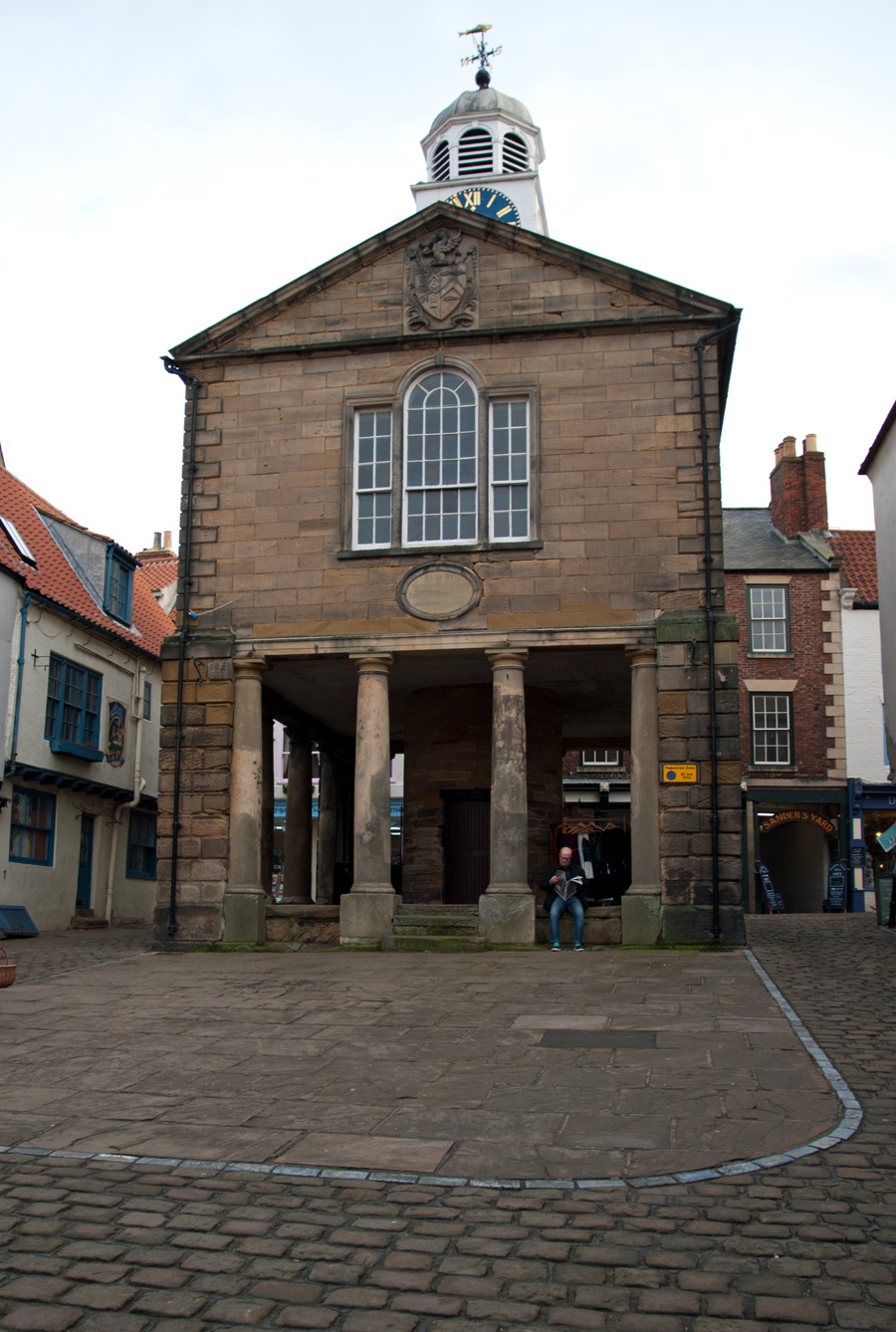
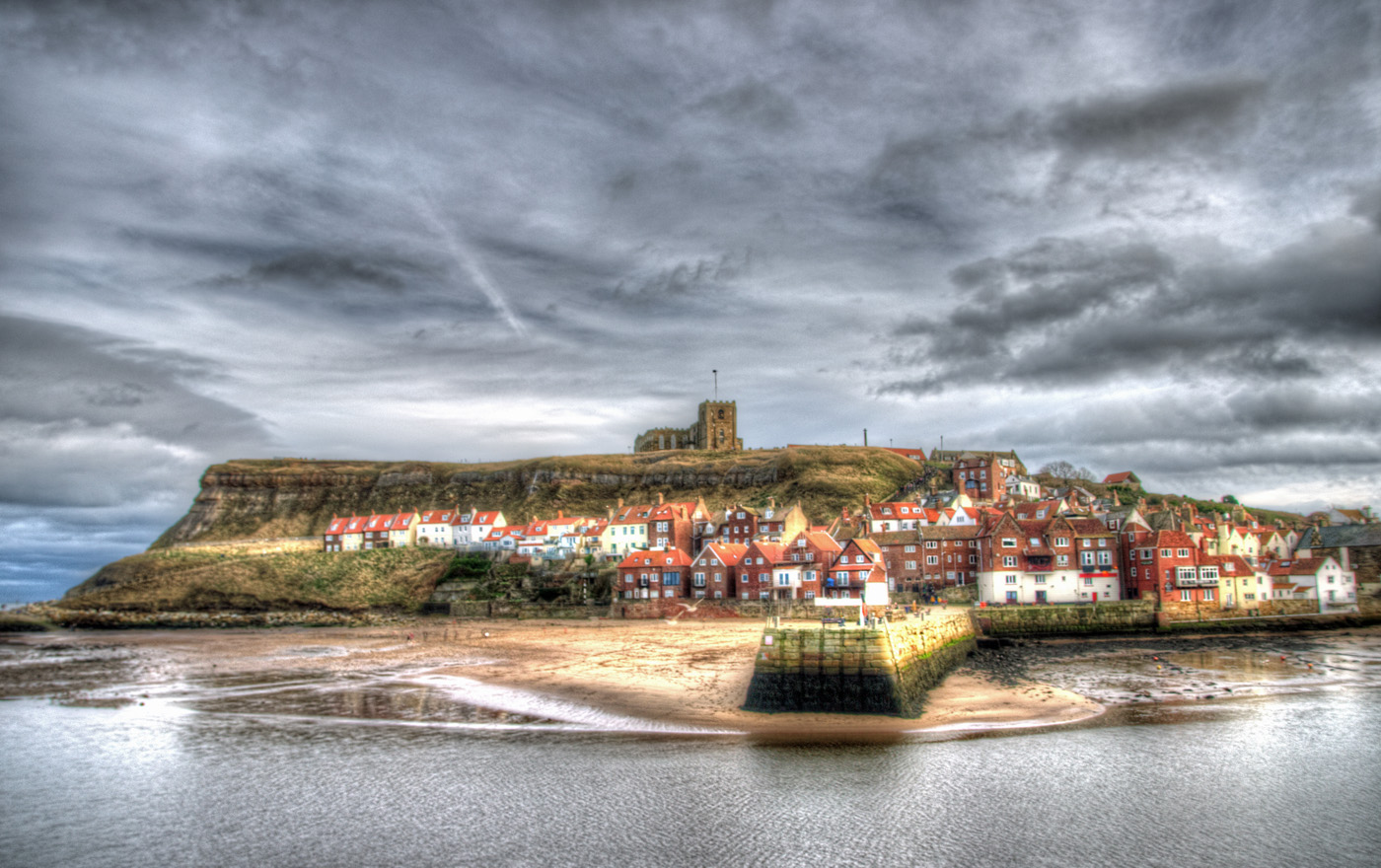
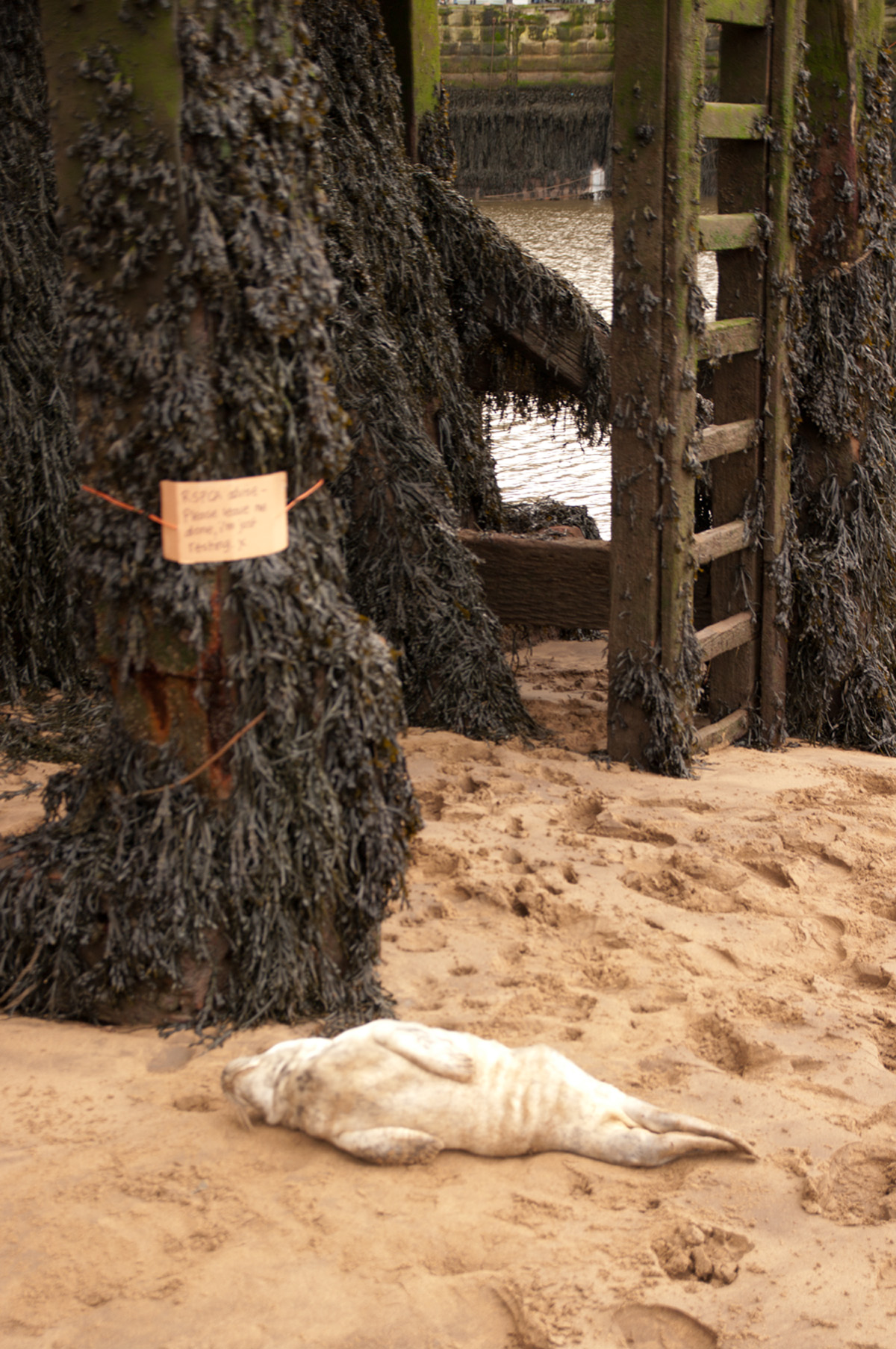
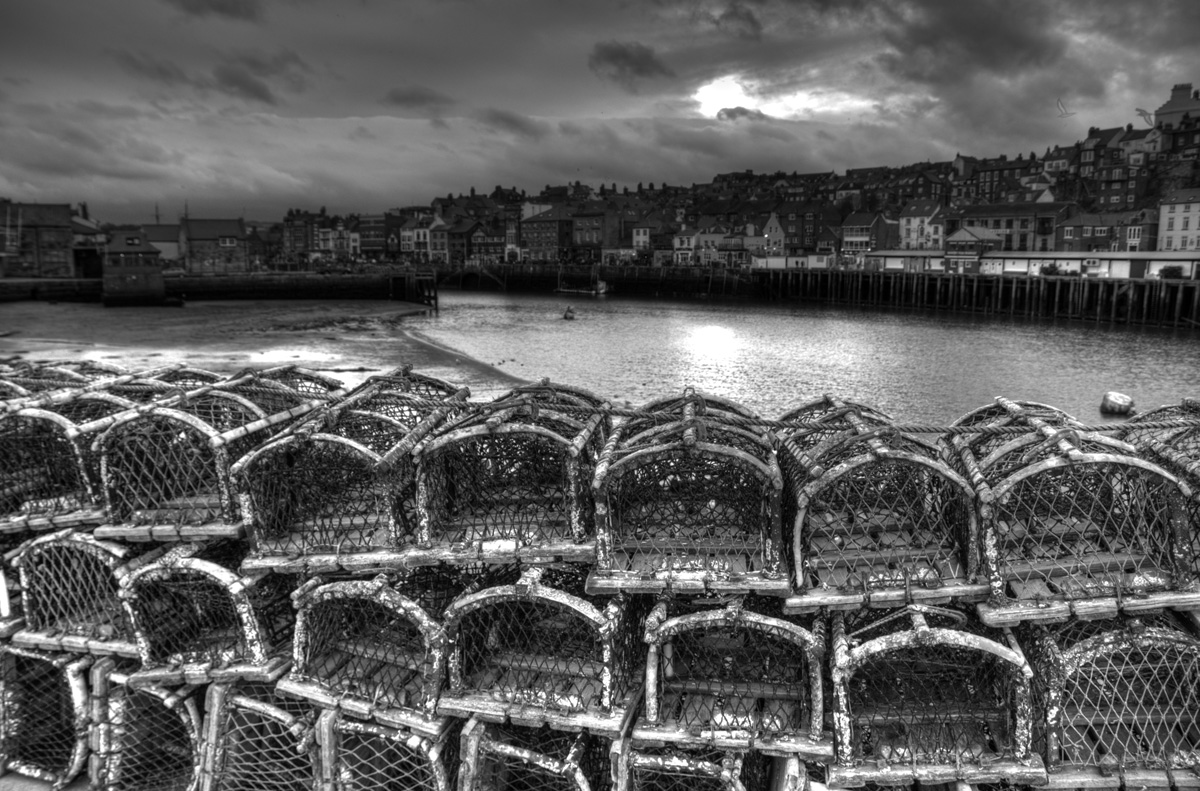
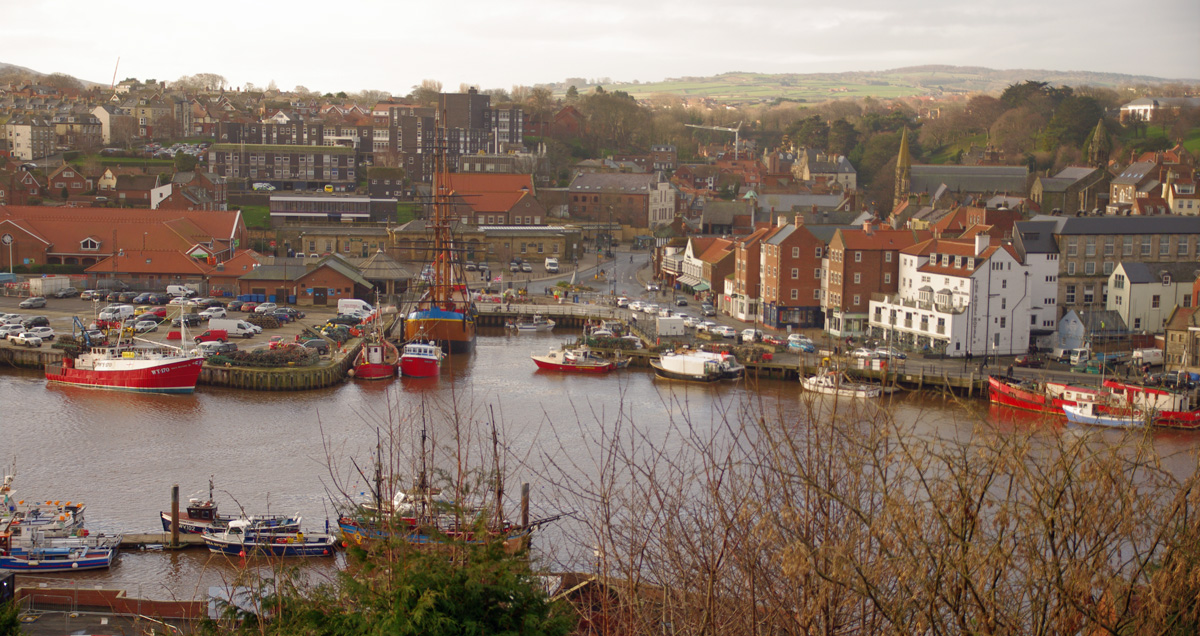
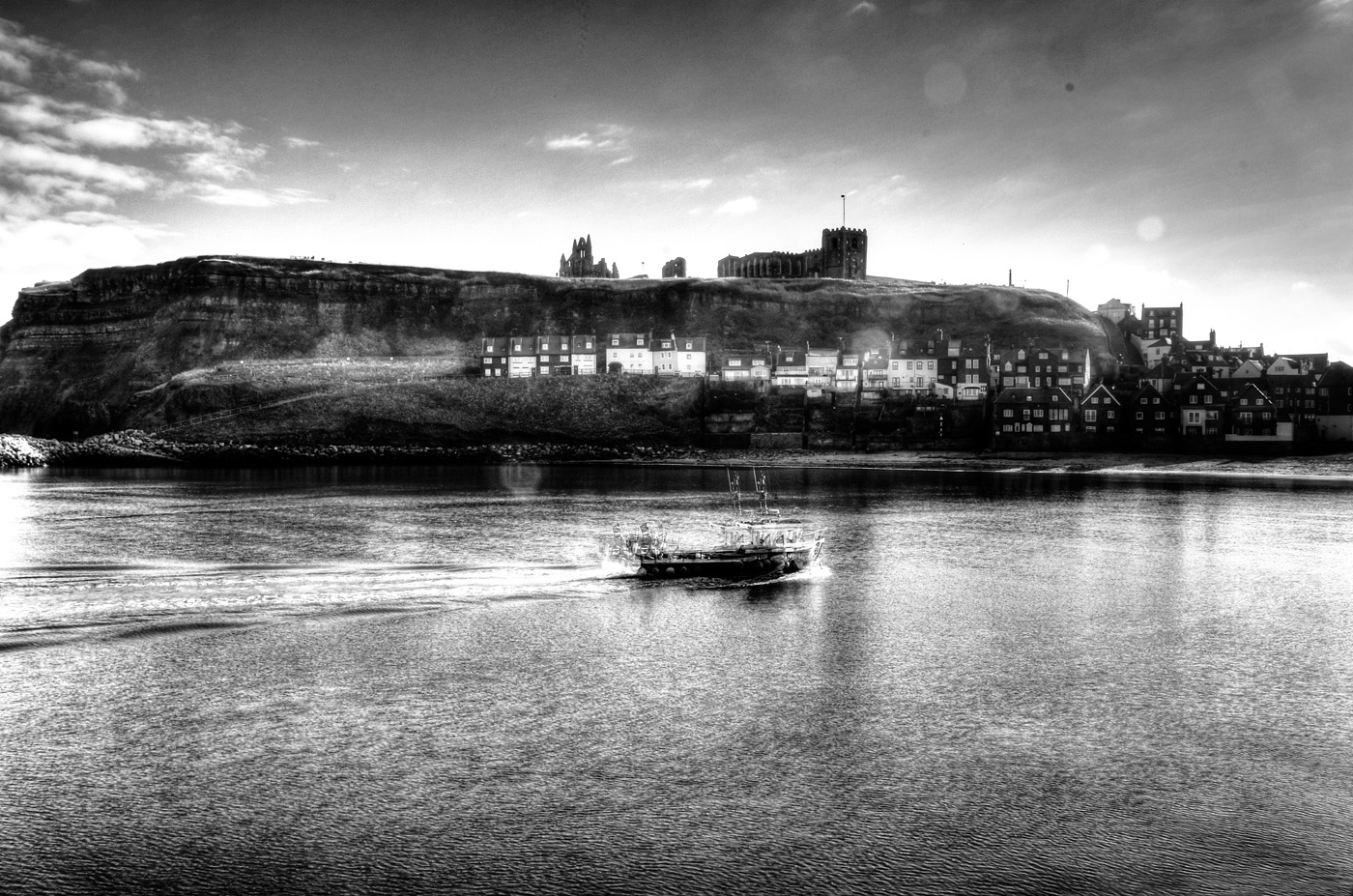
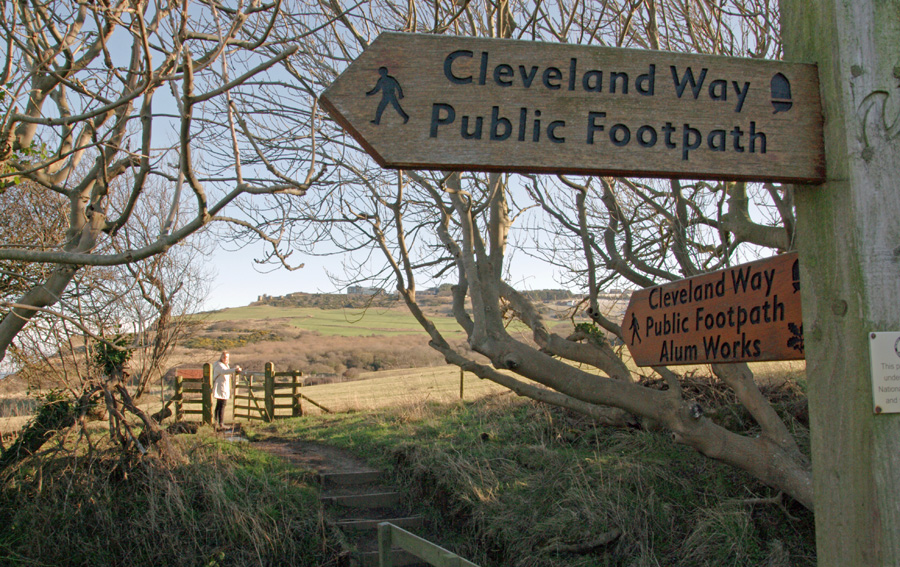
It’s a very long time since I last visited Whitby, on the edge of the North Yorkshire Moors. The very first time was well over fifty years ago when my old school chum, Robinson, P, and I passed through on the now-legendary Lambretta trek of 1965, when we rode from south Essex to Edinburgh (and back) for the, then, nascent Edinburgh Festival Fringe. (It was worth it – we were sensational!) I only remember the brooding Abbey ruins which, apparently, helped to inspire Bram Stoker’s page-turner, Dracula, and the name of a local photographer, Frank Meadow Sutcliffe, who documented Whitby life in monochromatic Victorian and early twentieth-century times. It is a large busy town, with a fishing fleet, harbour, beaches and many restaurants, pubs, “tourist” shops, and steep twisting paths and lanes, amongst which is Demeter Cottage, where we stayed for a week.
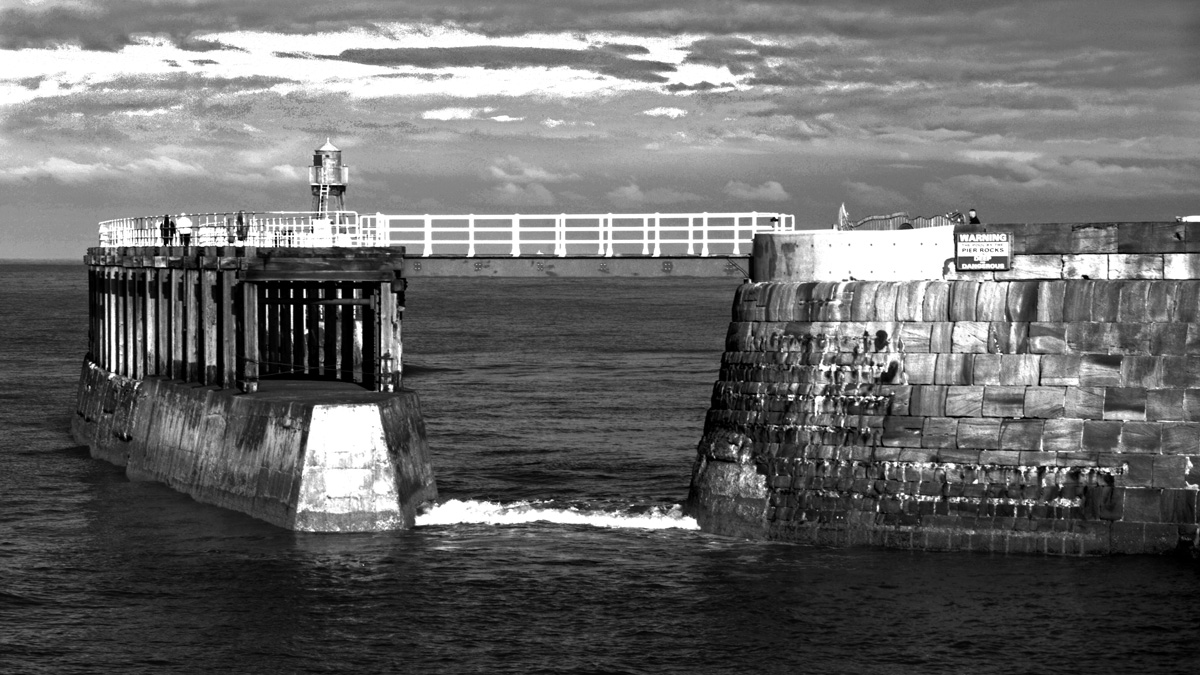
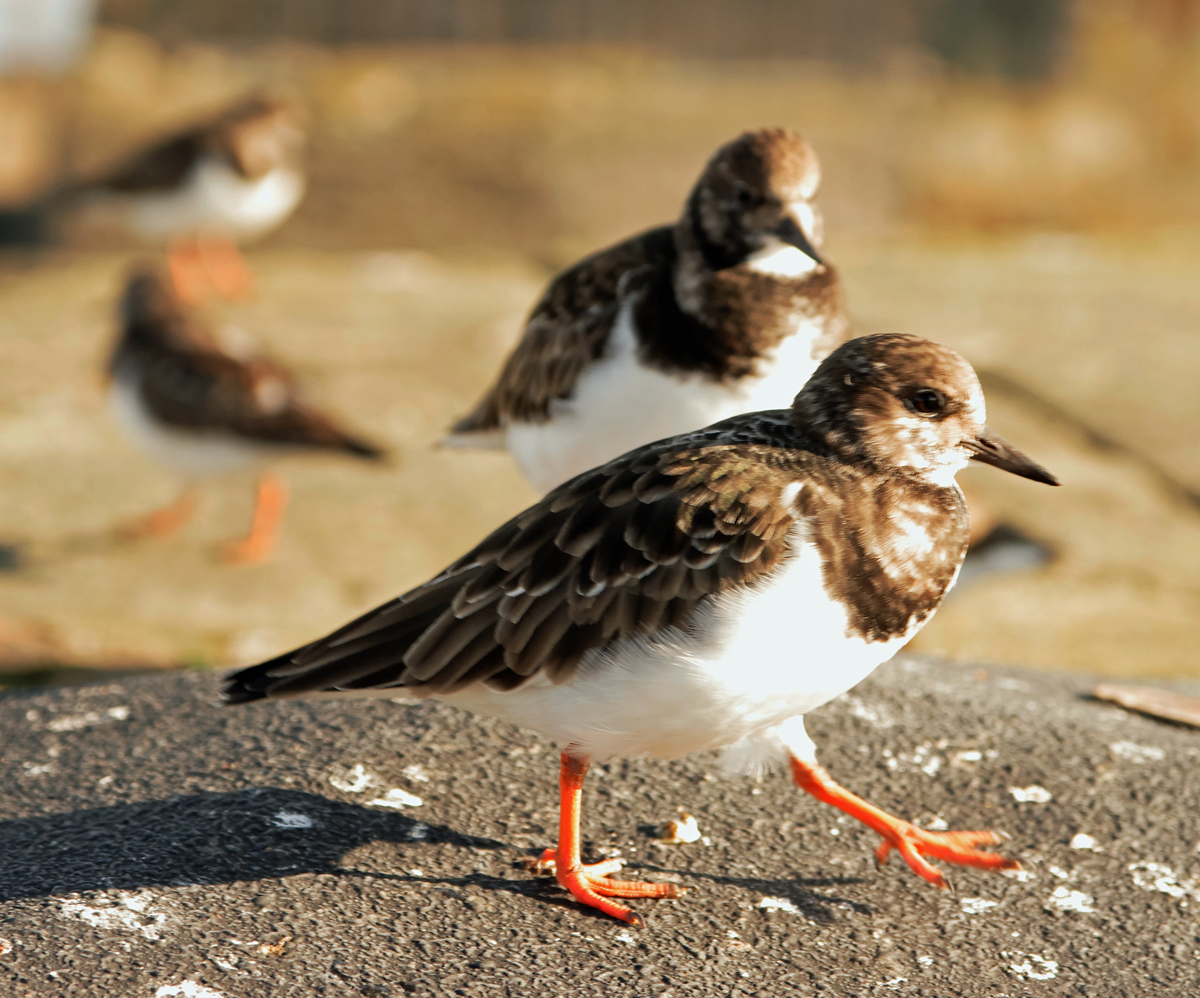
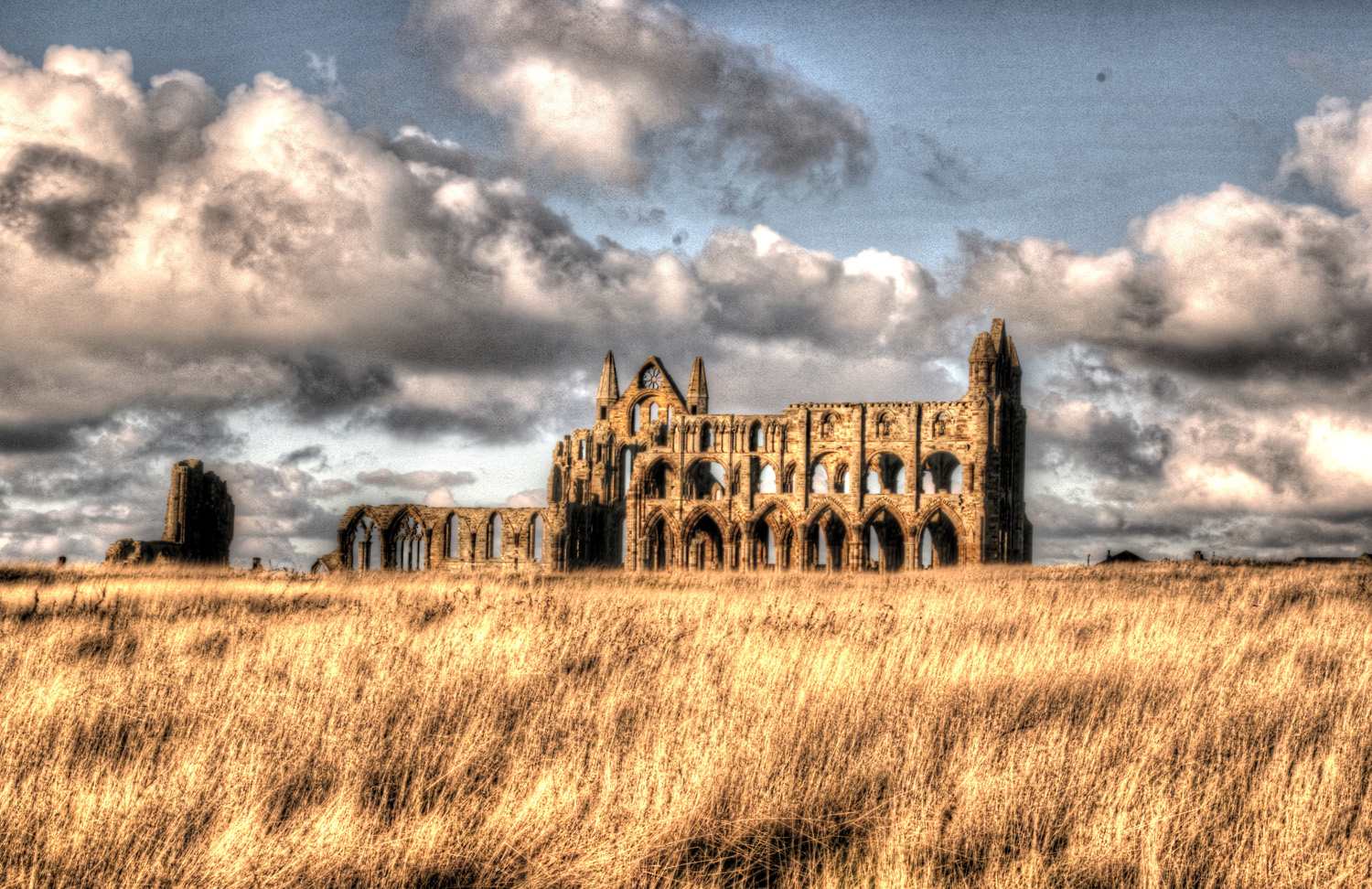
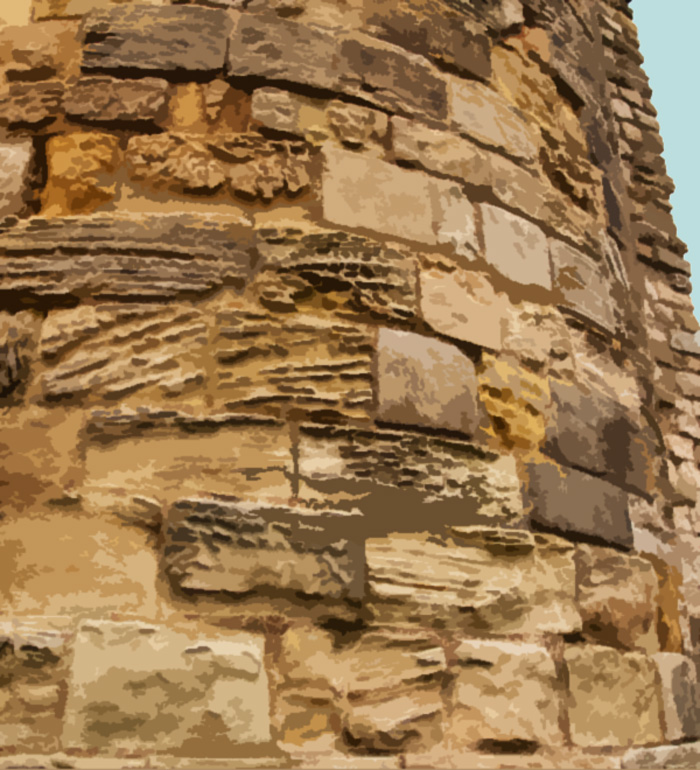
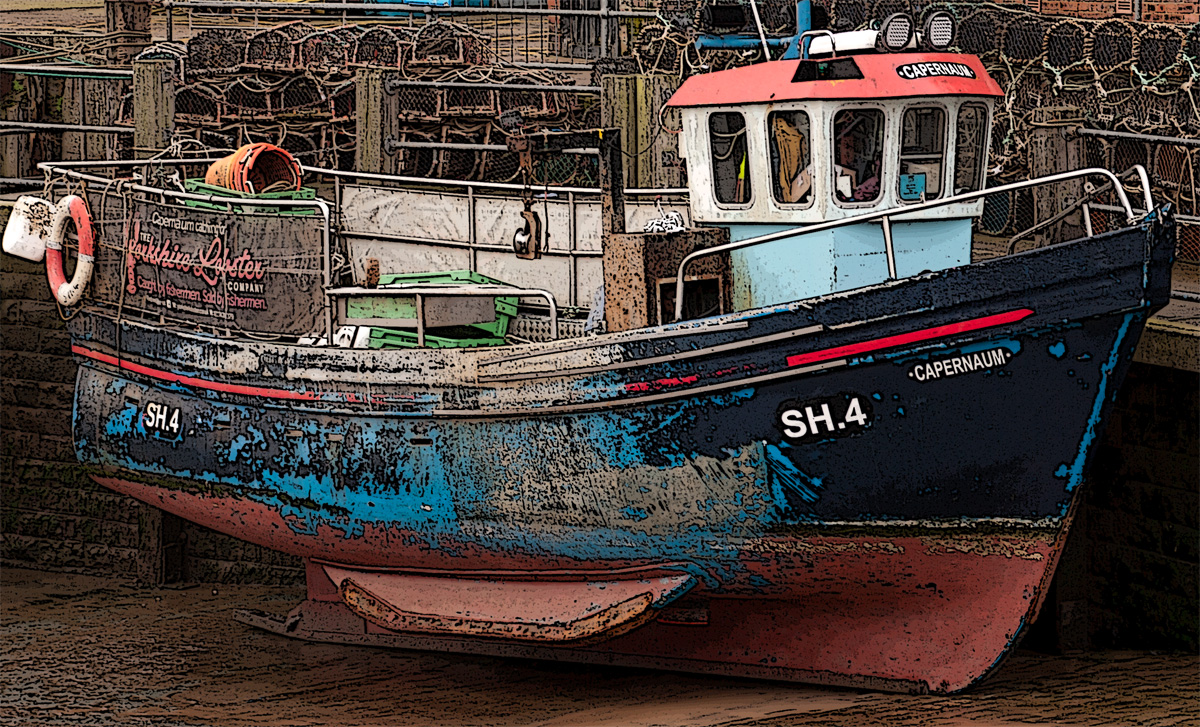
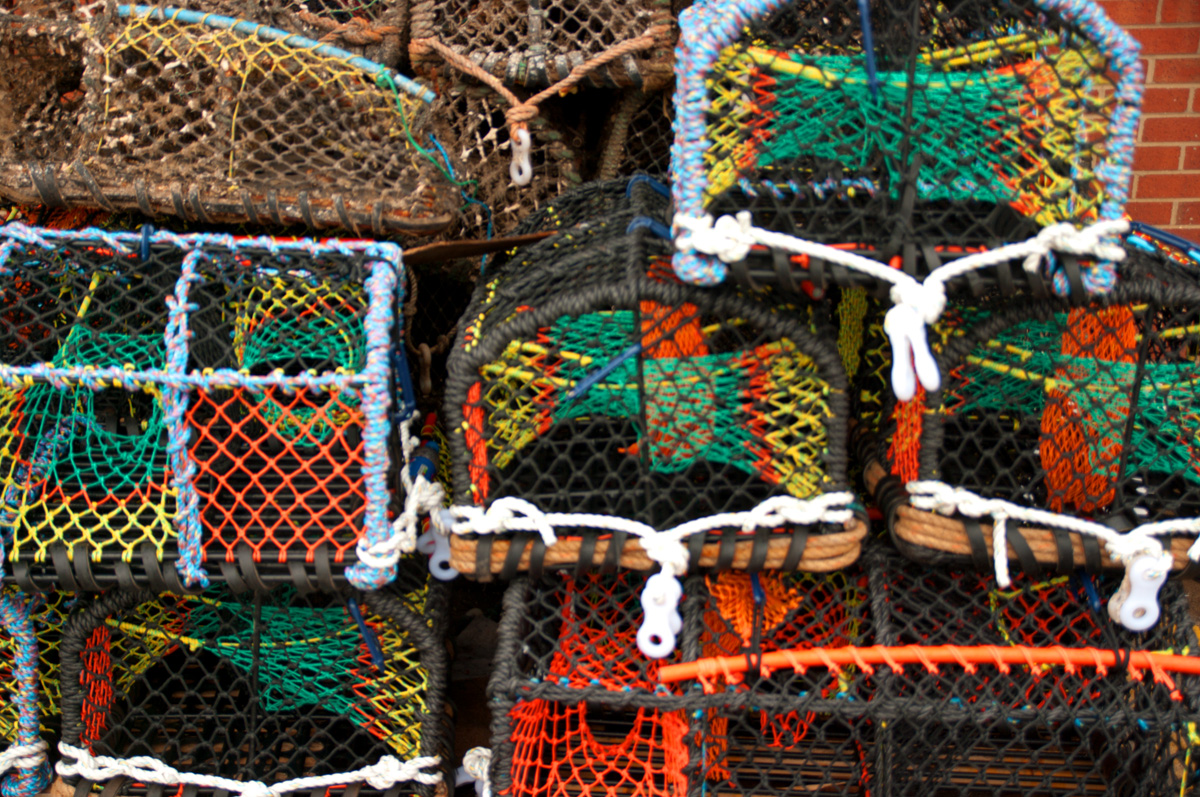
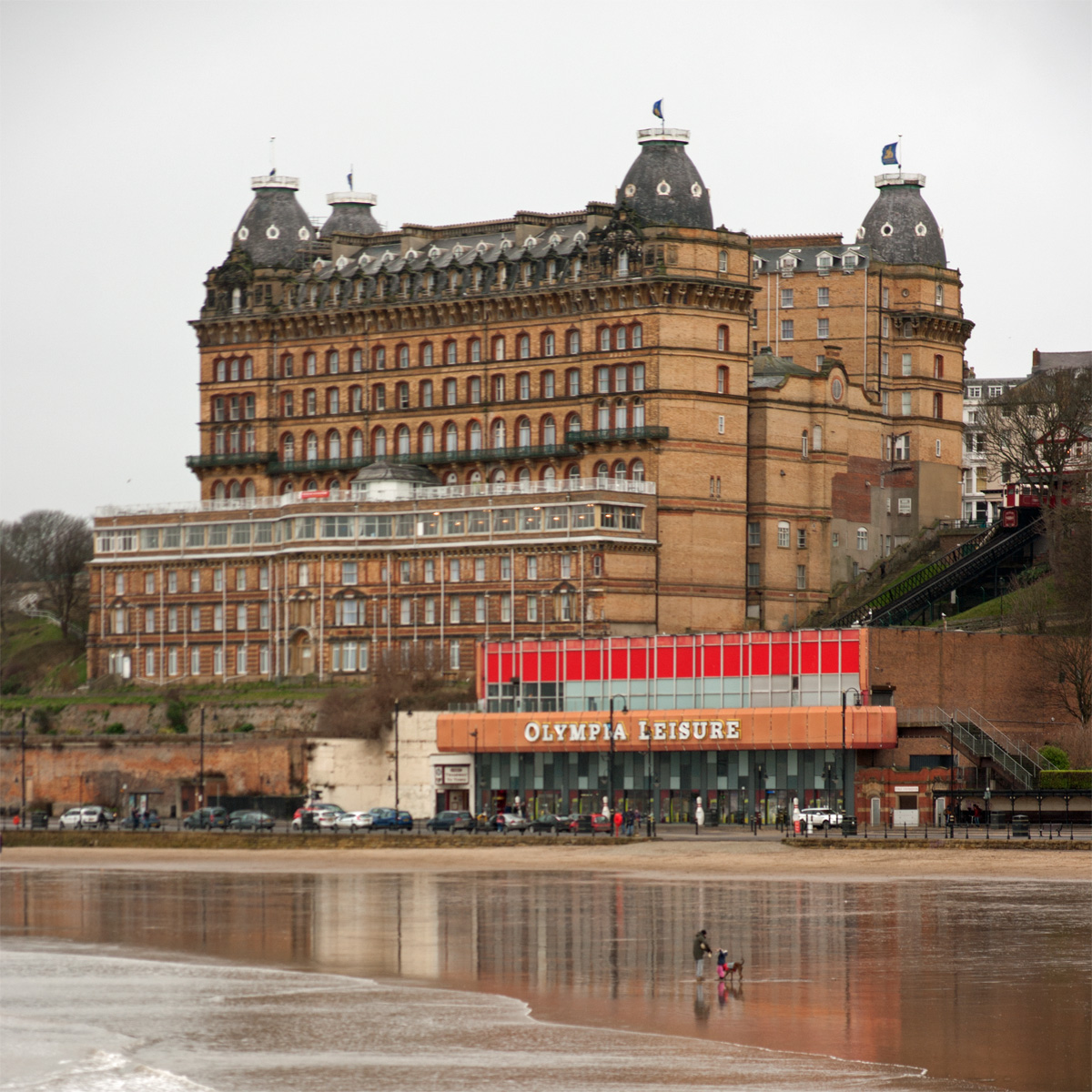
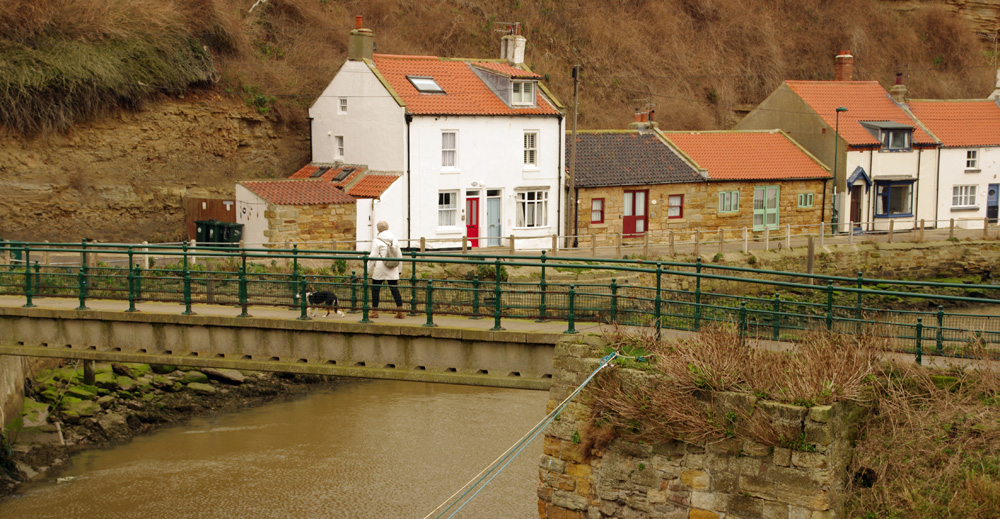
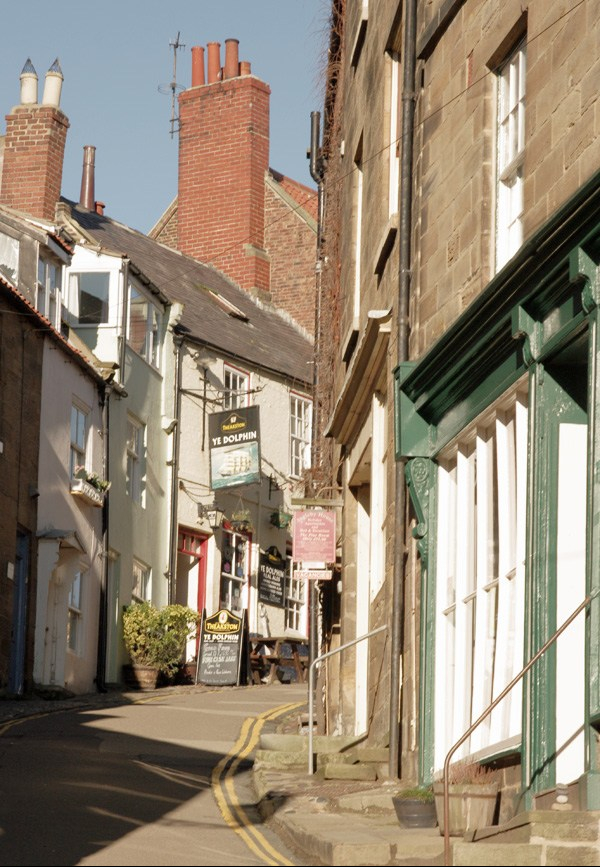
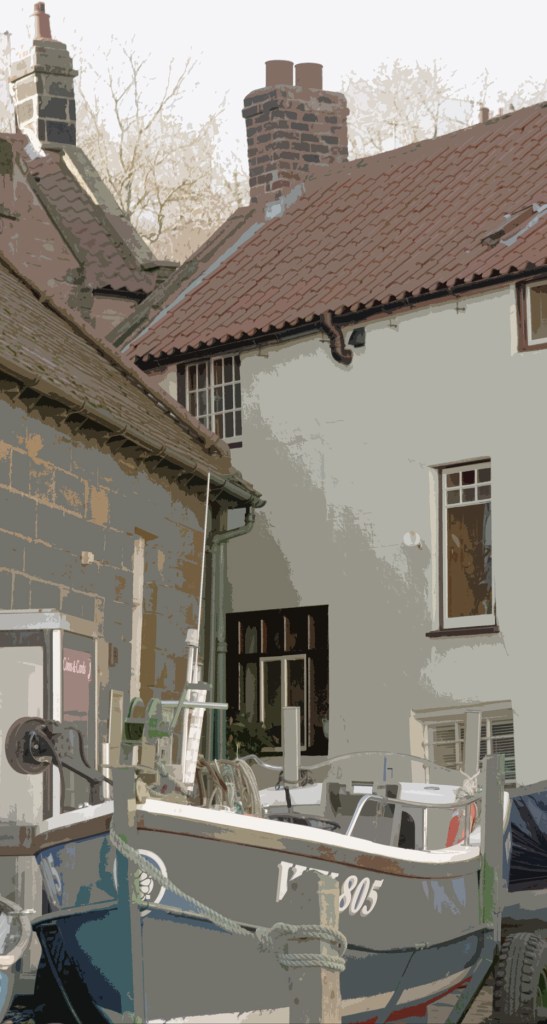
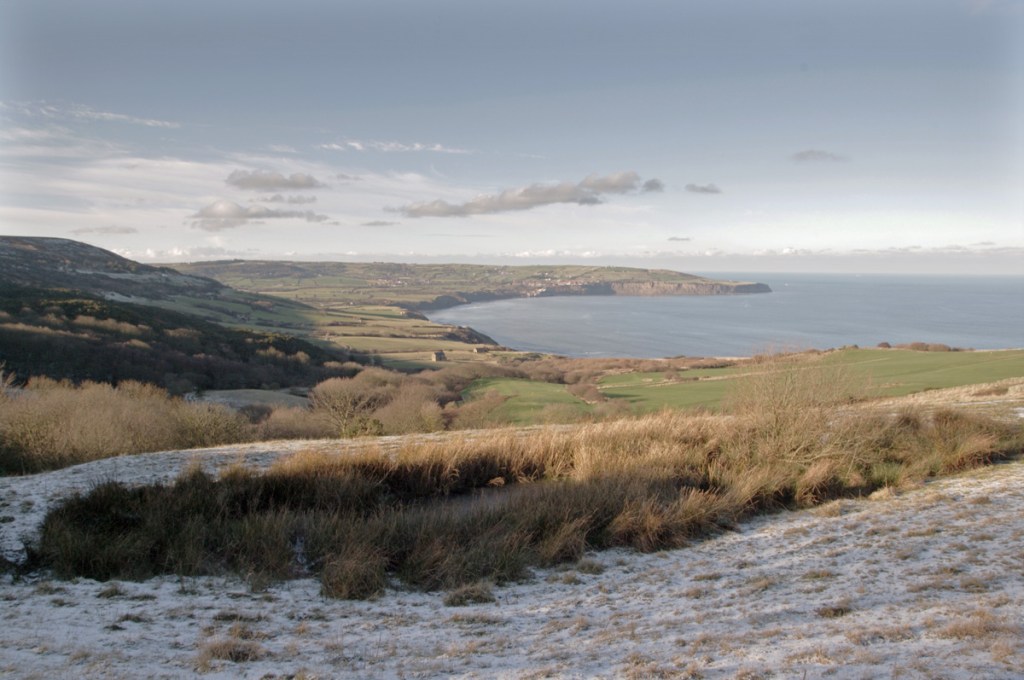
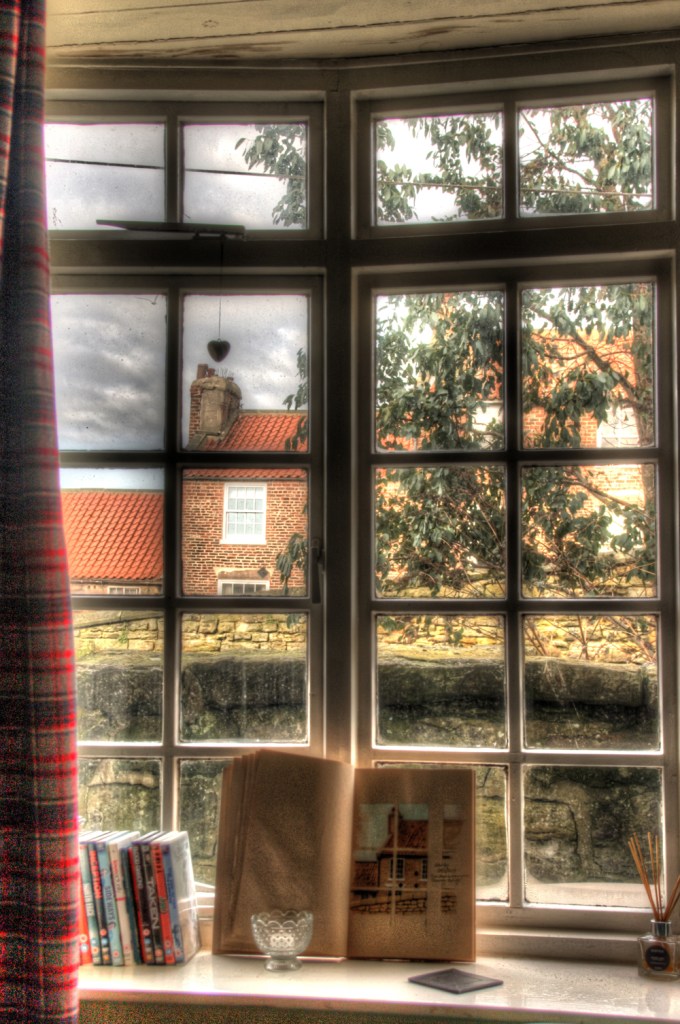


Demeter Cottage
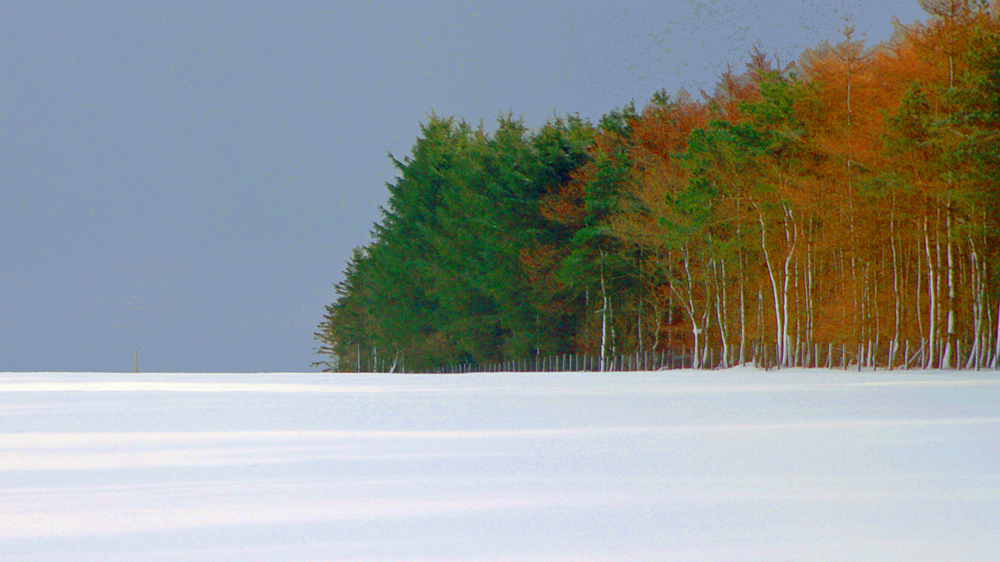
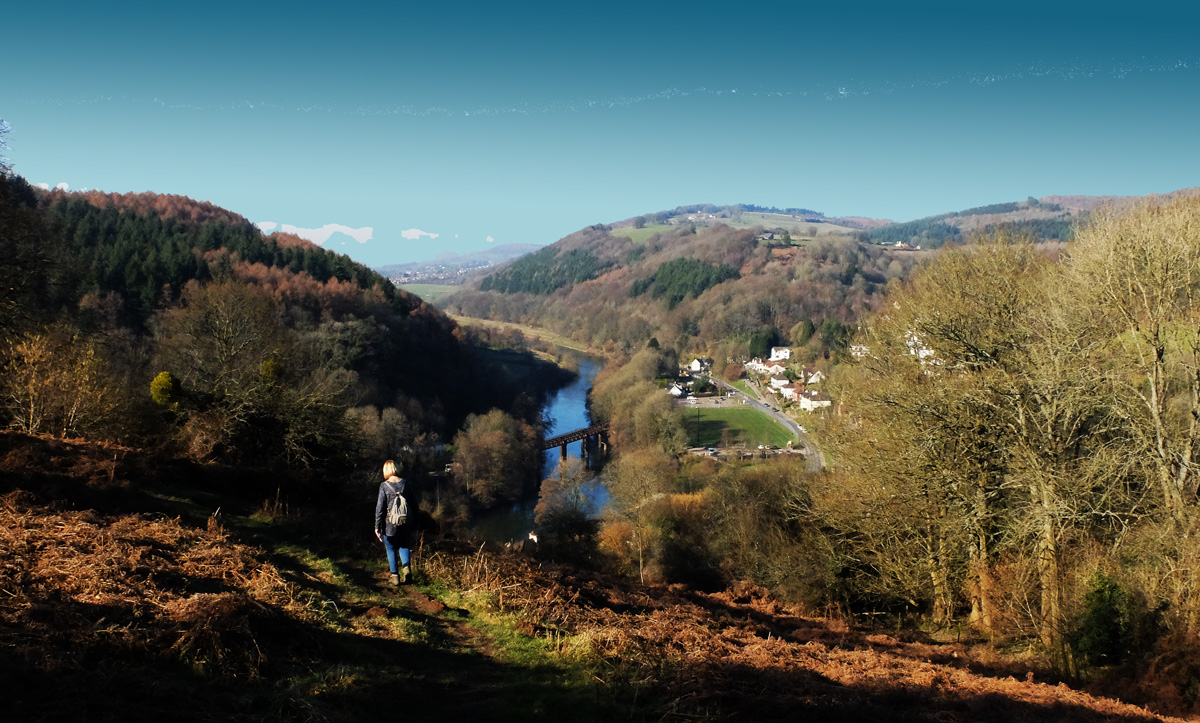
We parked in a forest clearing in Bargain Wood, north of Tintern in Monmouthshire, and walked south on the Wye Valley Walk, crossing the river at Brockweir. Then back up the river to Bigsweir Bridge, up into Cuckoo Wood, around Llandogo and back to the car. About eight miles. Lucy still running her socks off right to the end.

What an embarrassing, unnecessary shambles this chaotic exercise has been. All to negotiate separate deals with countries with whom we already trade via the EU. And to “secure our borders”. Apart from our only land border, which we’re determined will be completely open.


You must be logged in to post a comment.