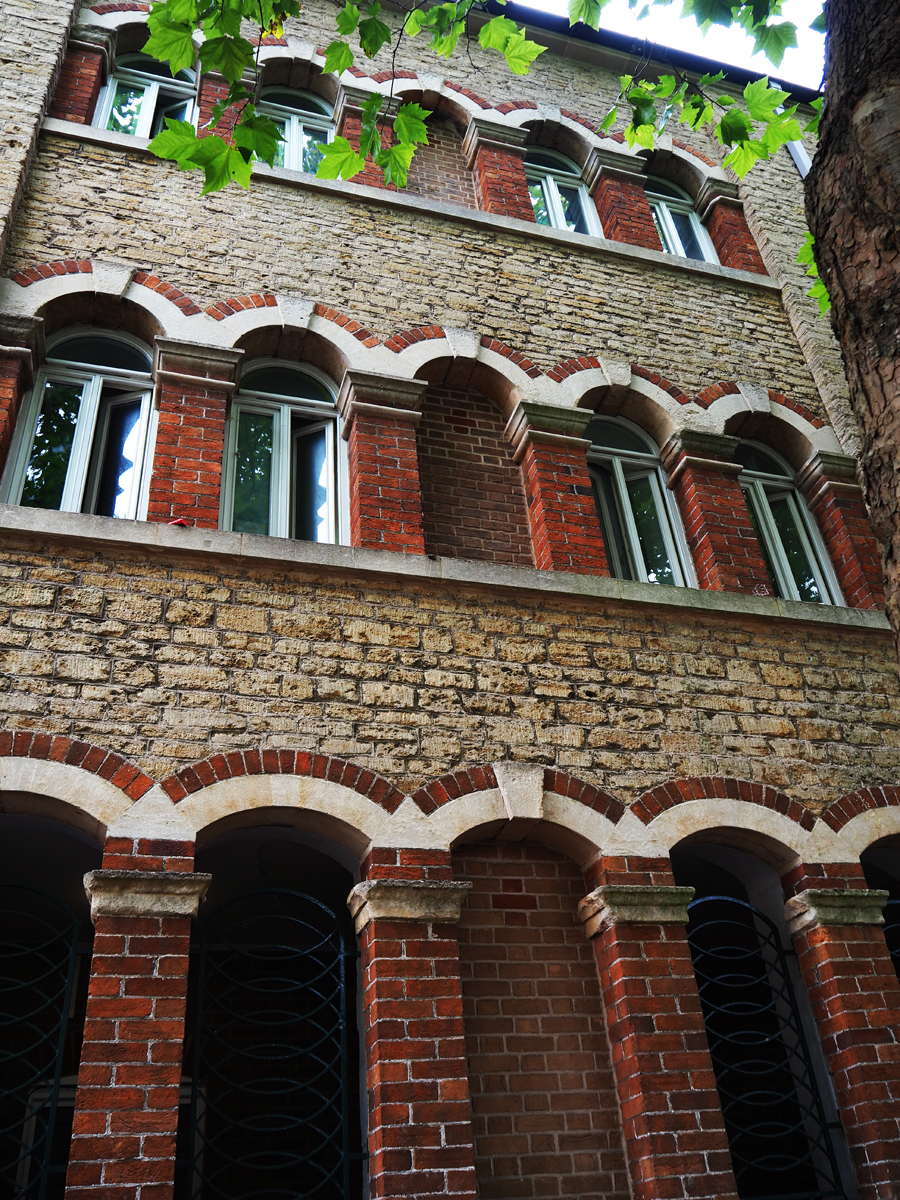
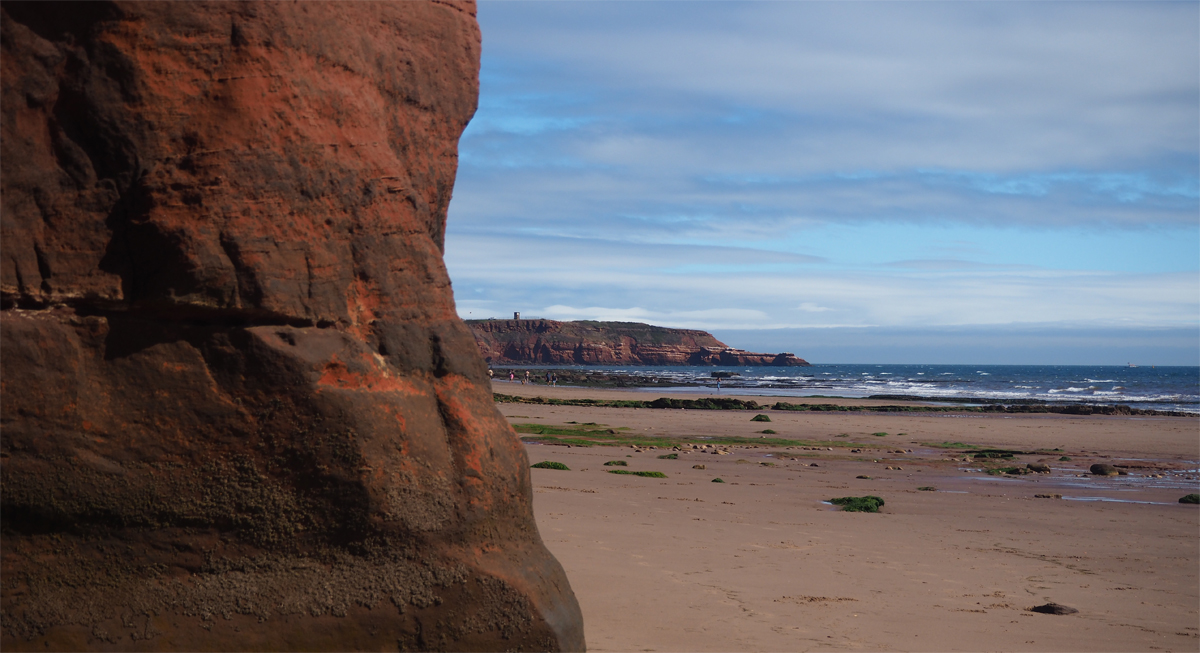
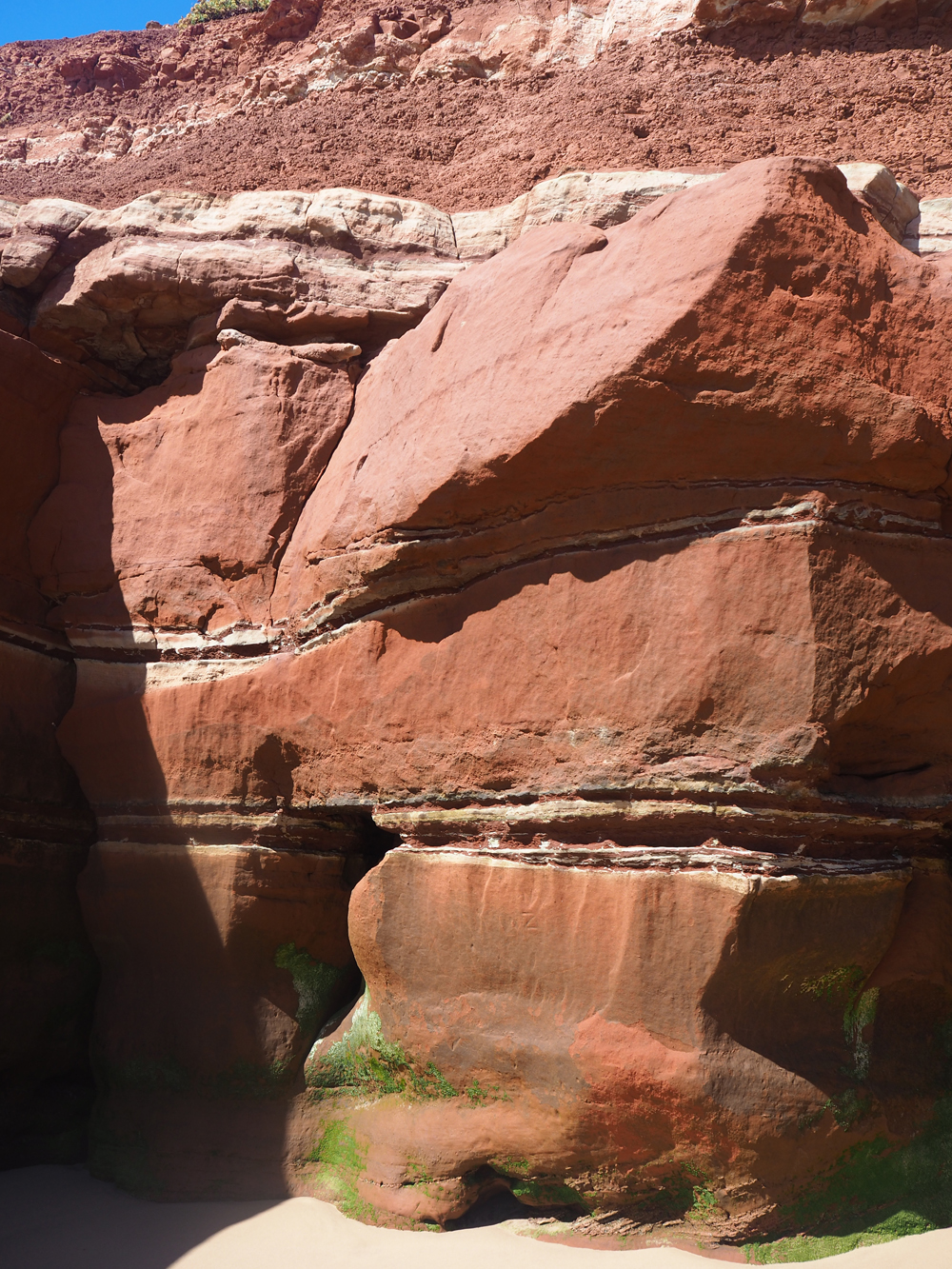
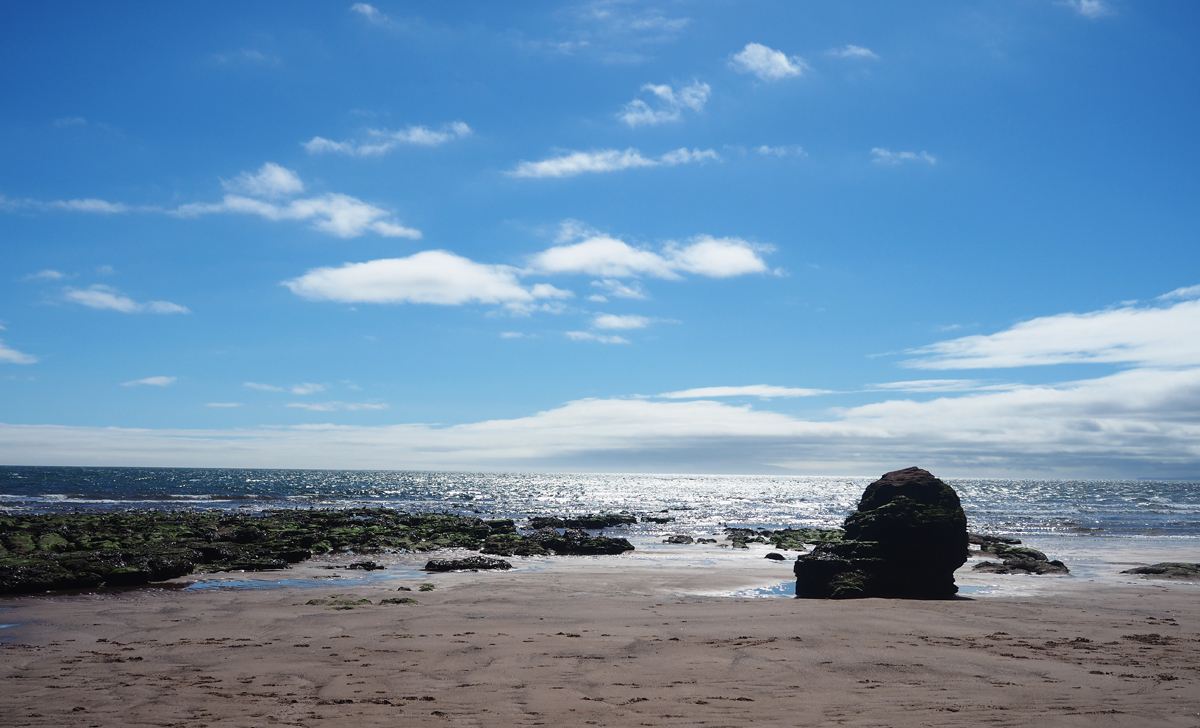
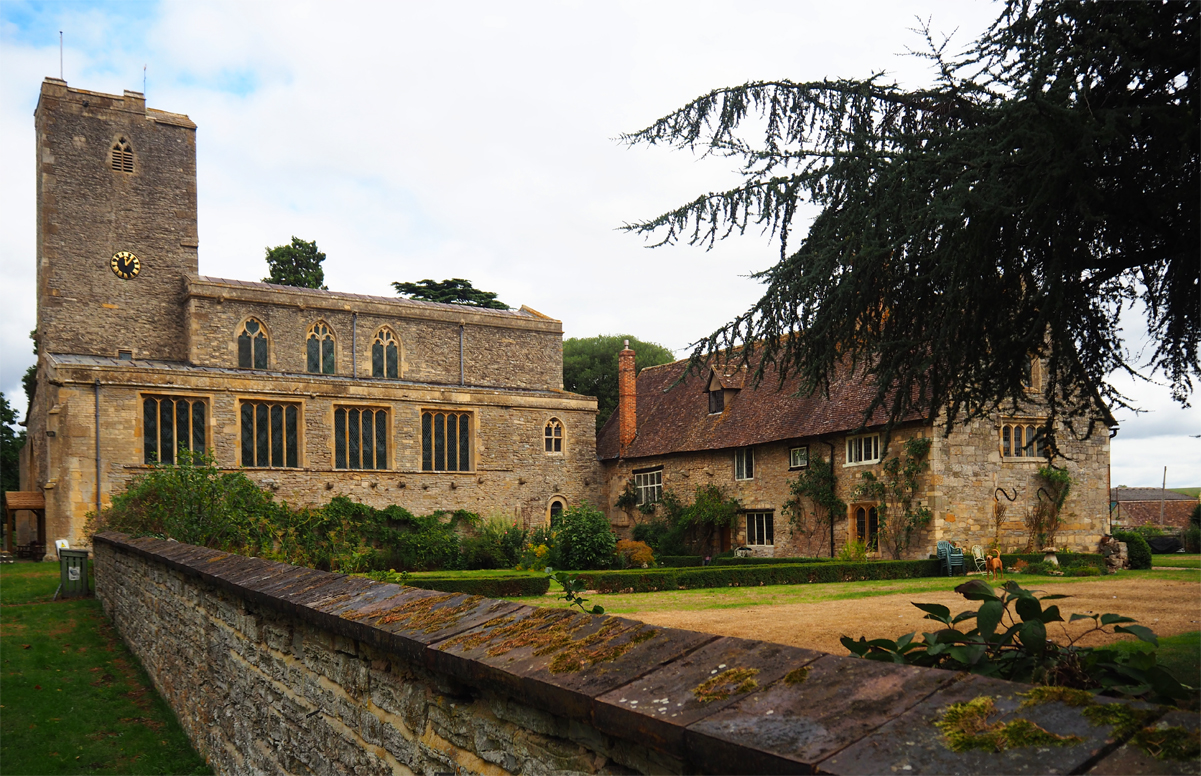
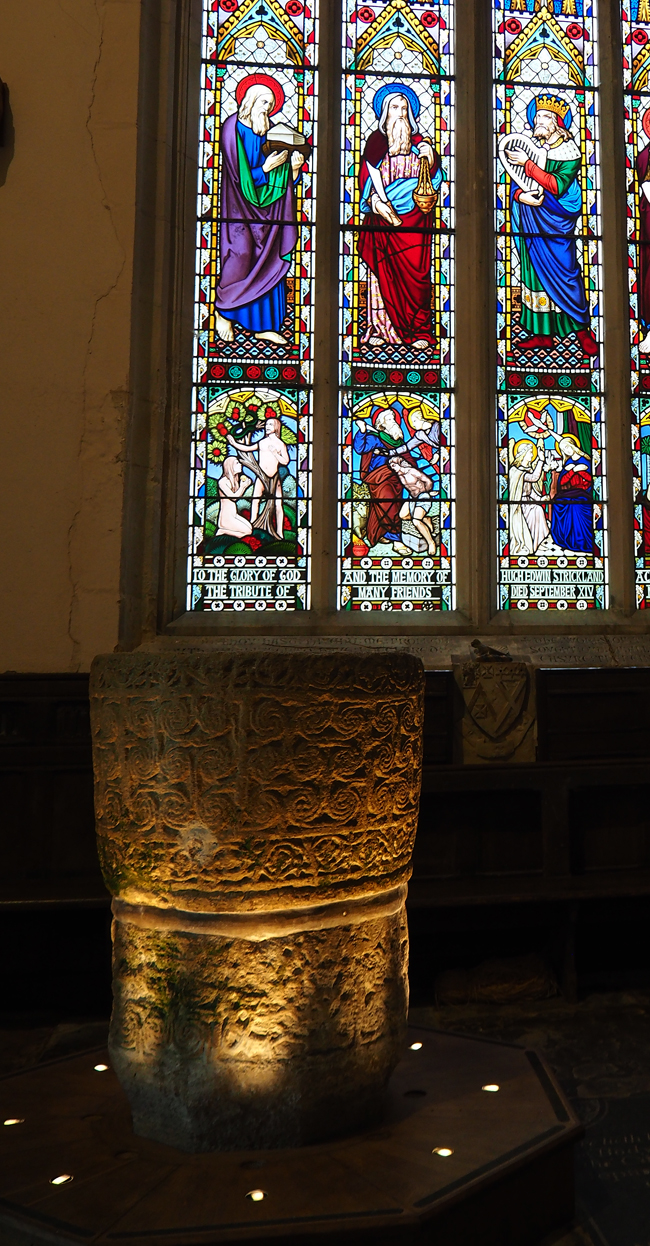
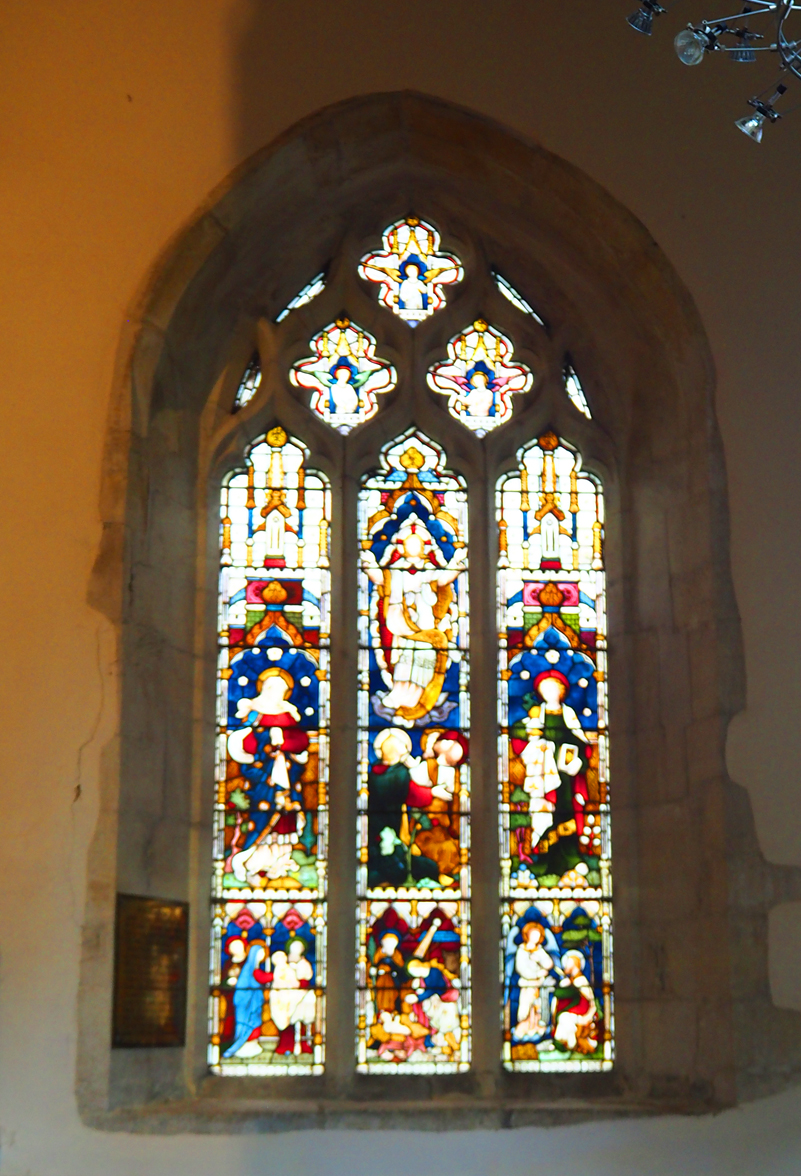
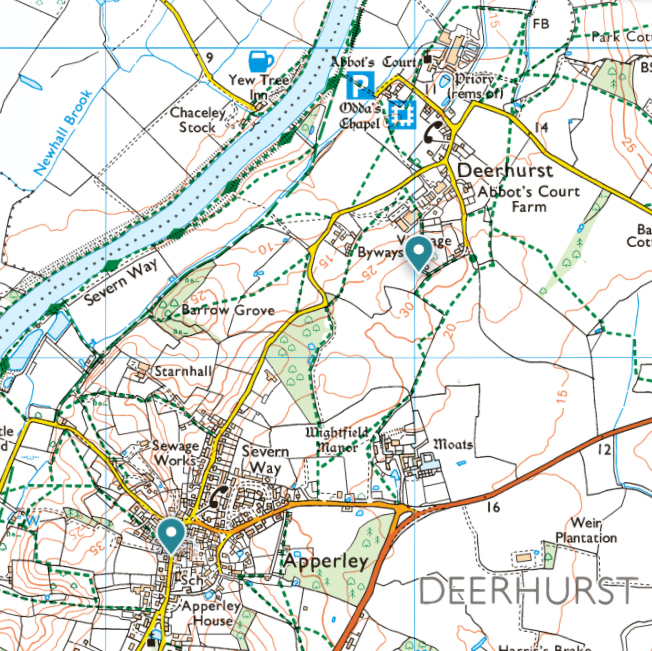
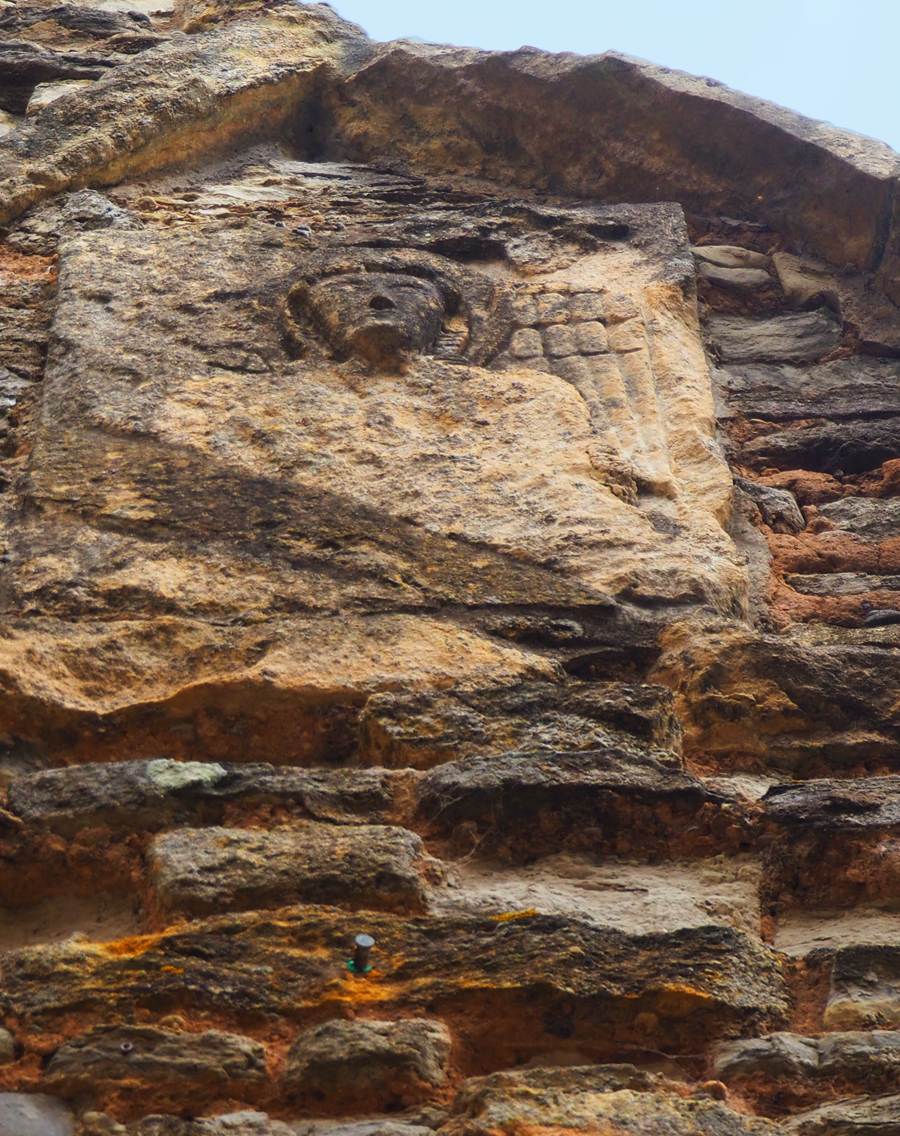
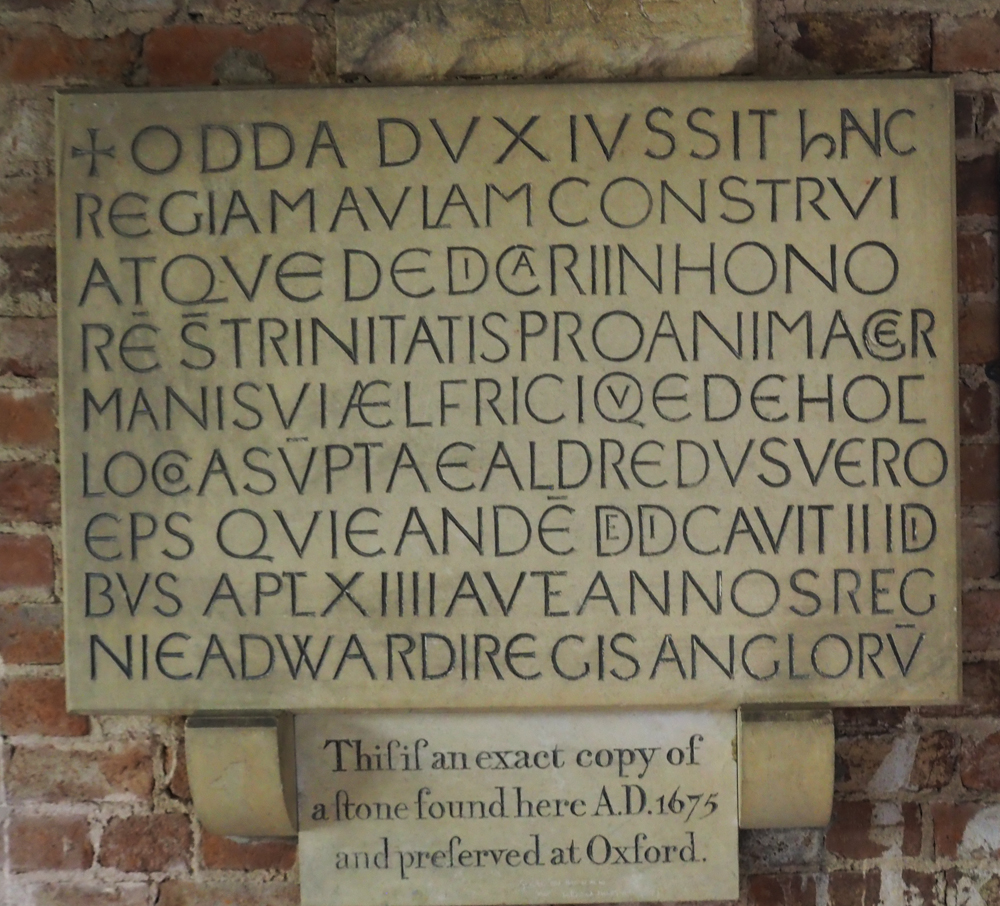
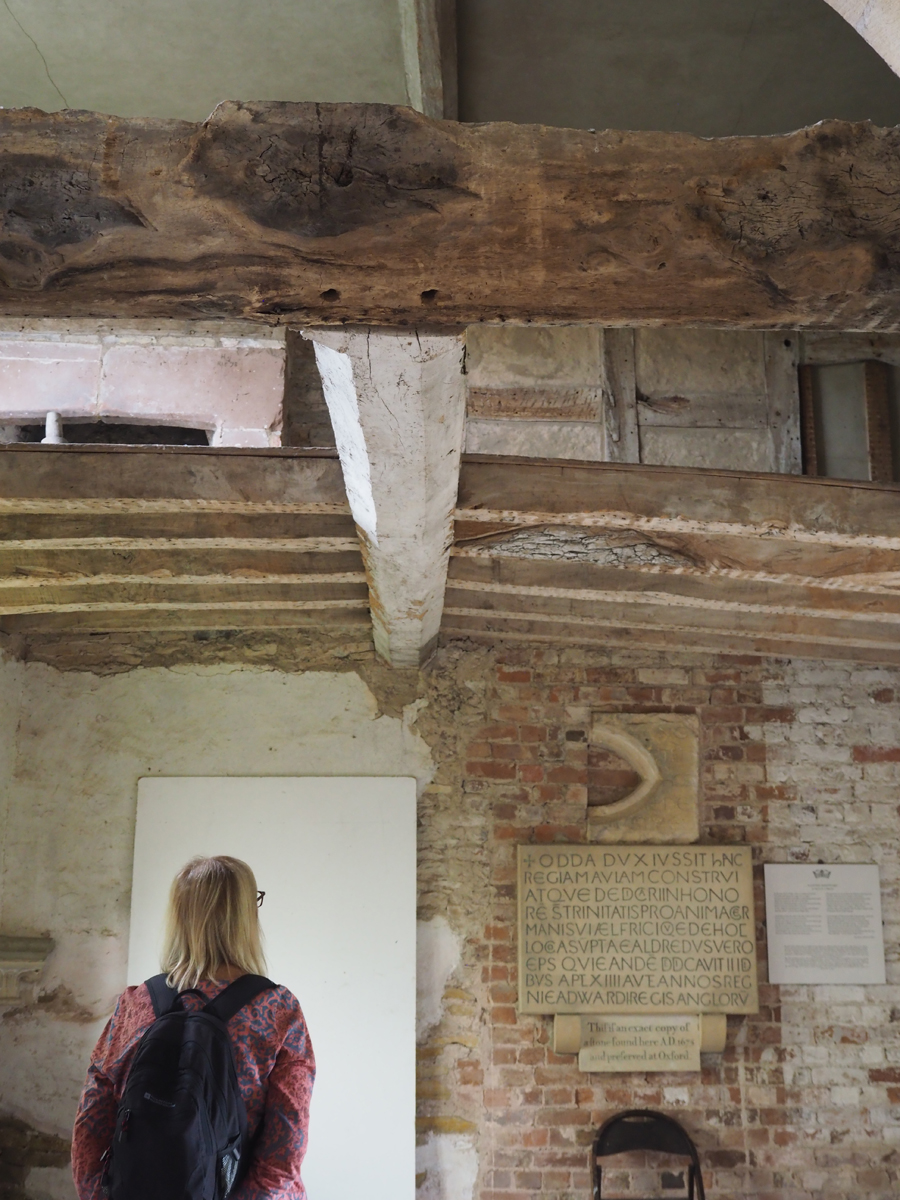
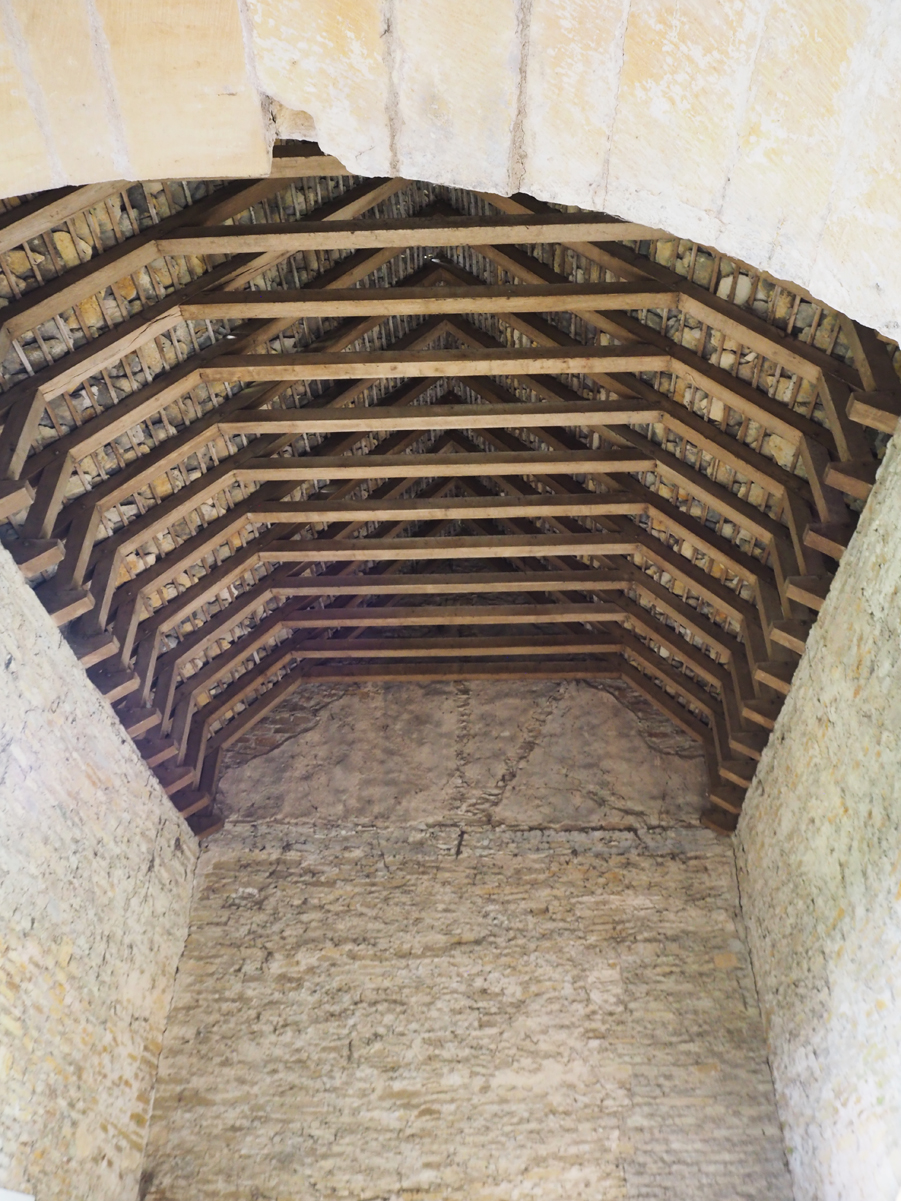
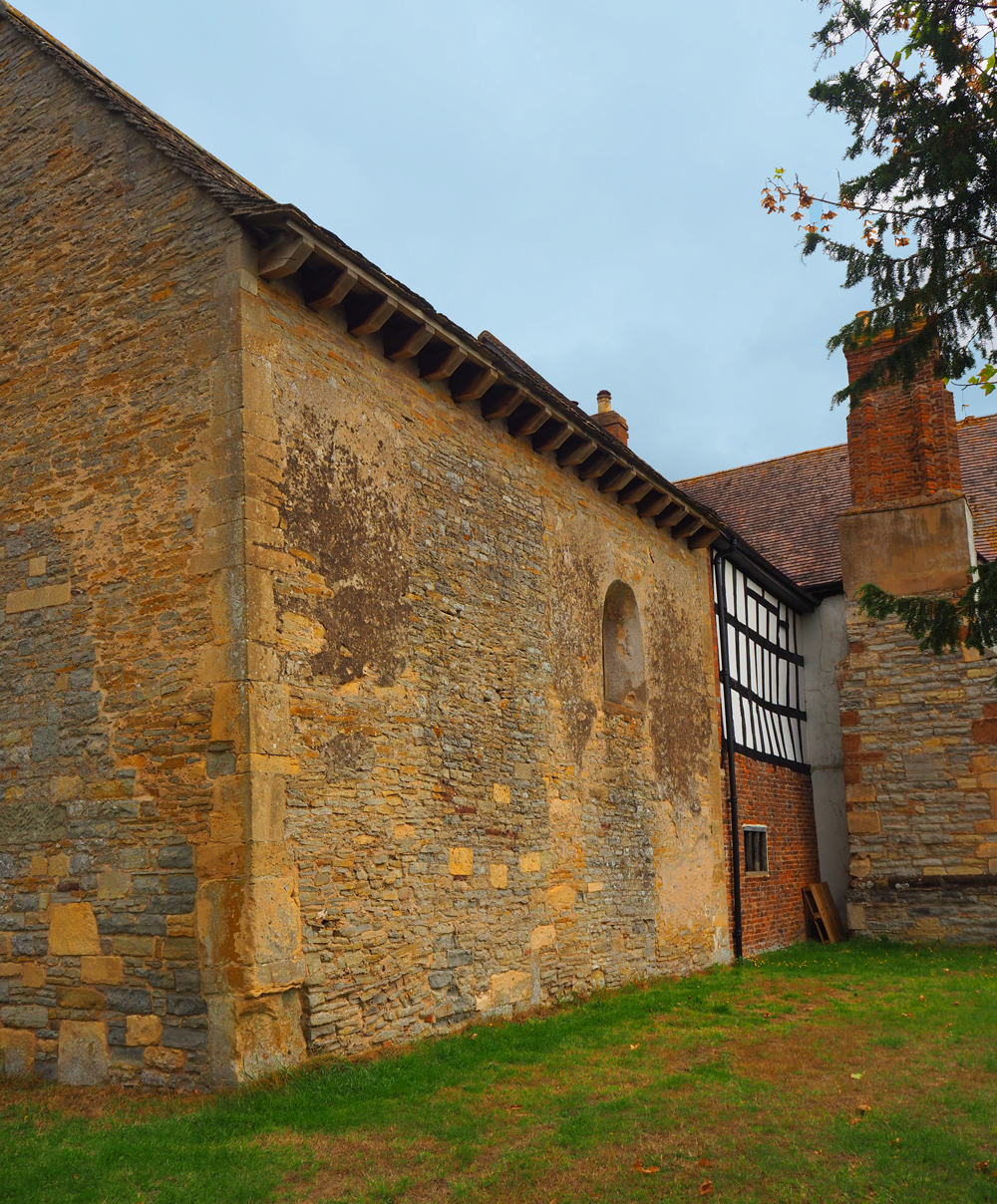
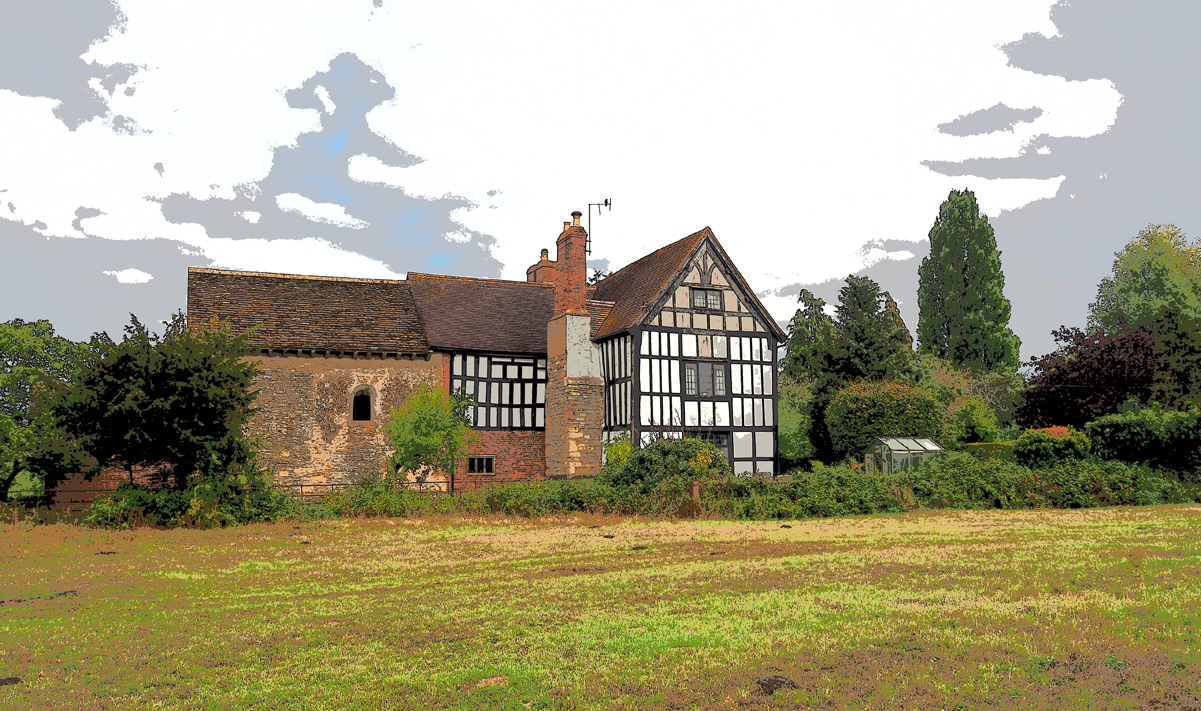
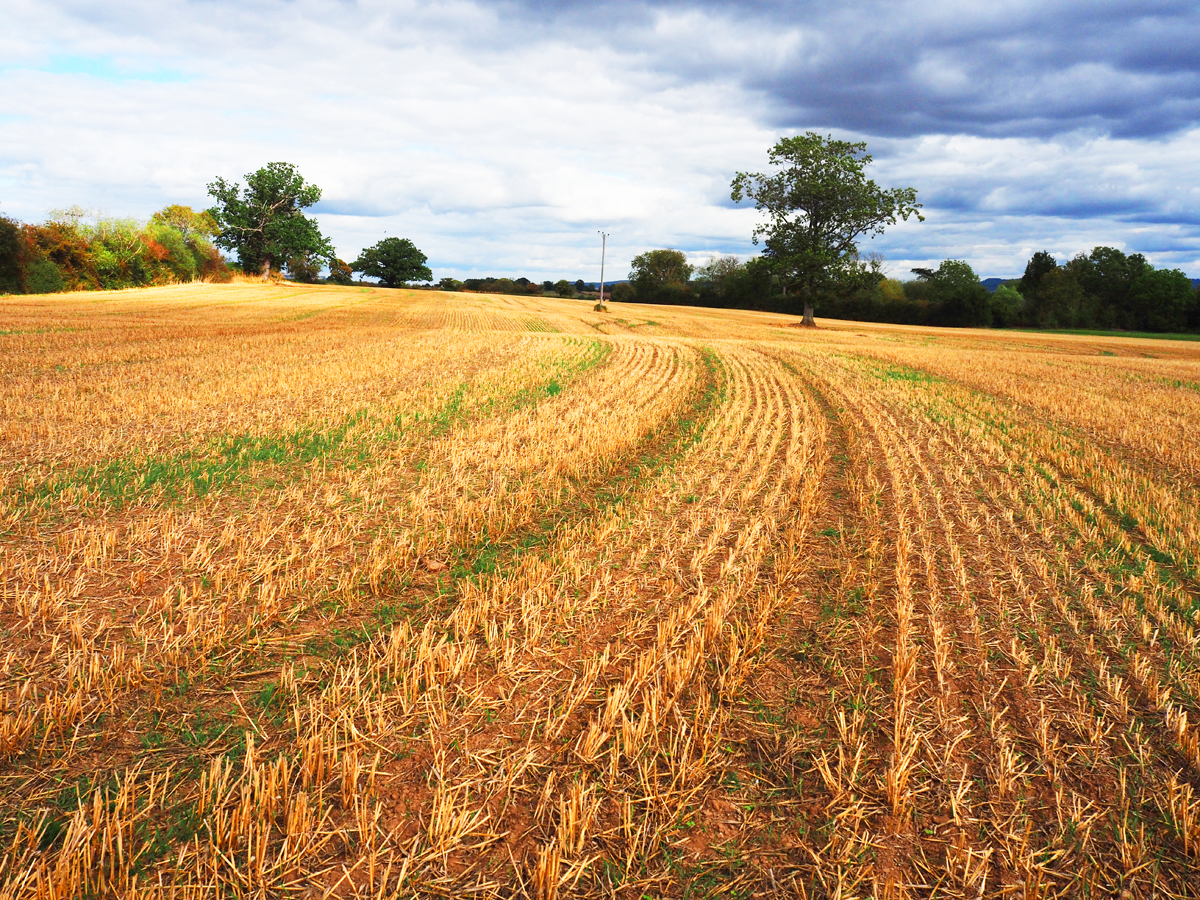
A very attractive, quiet, Cotswold village built in a valley below a prehistoric, later Roman, fort. Best known (to me, at least) for its brewery.


A very attractive, quiet, Cotswold village built in a valley below a prehistoric, later Roman, fort. Best known (to me, at least) for its brewery.


It looked like the last good-weather (i.e. rainless with parched lawns and complaining farmers) day for a week or so, and we were lucky to have organised our family picnic while Rosie is still here from Madrid. All went well. The children always seem to enjoy meeting each other. Well, and the adults, of course.
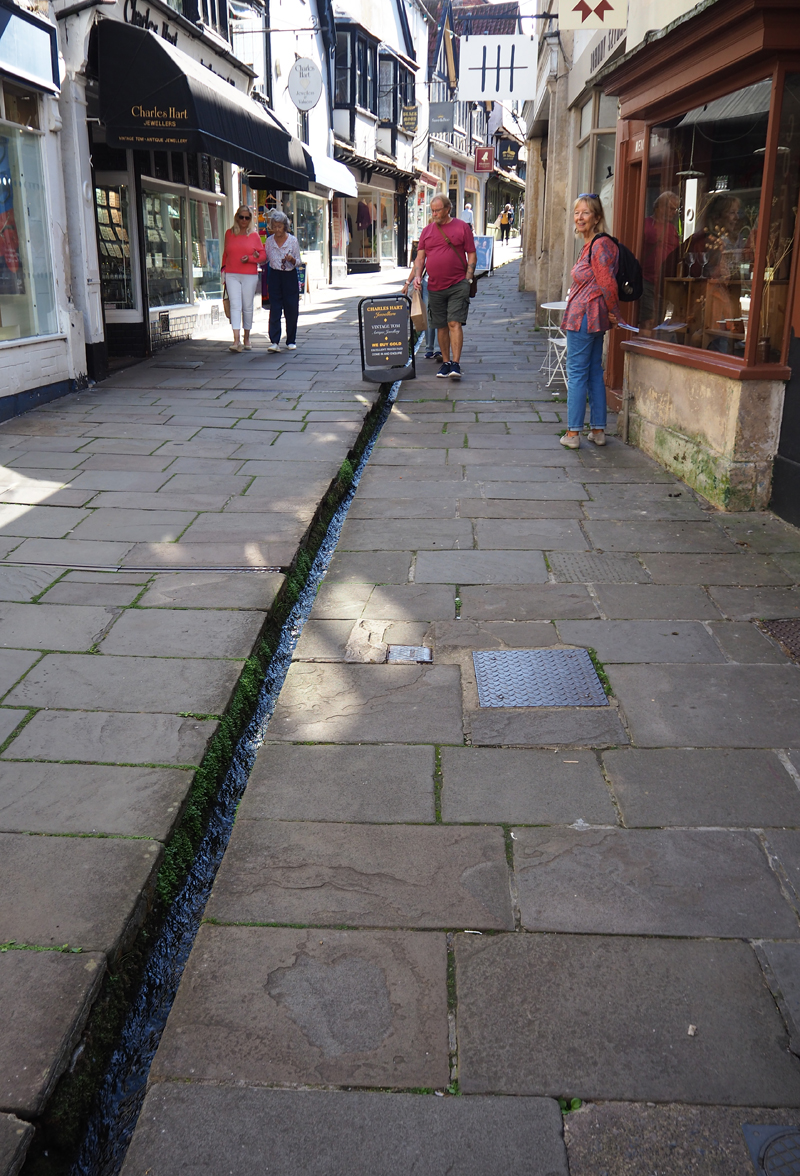
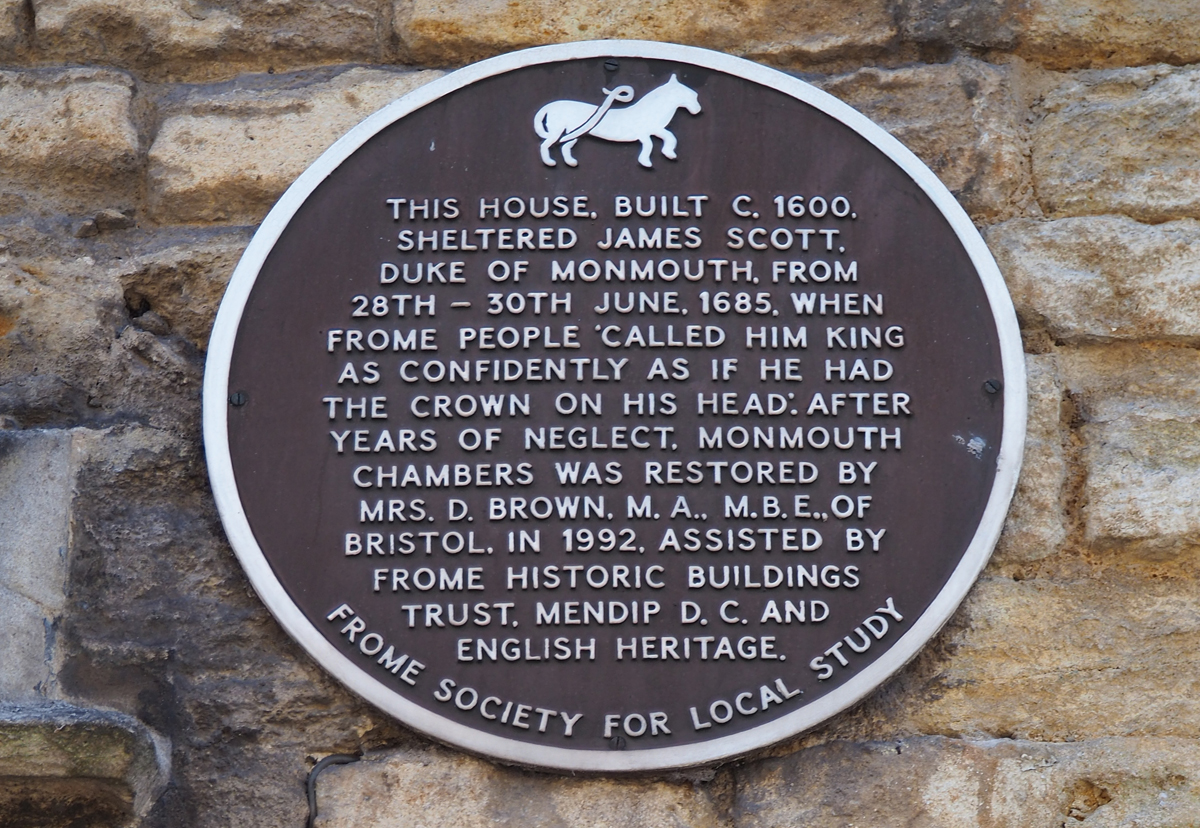


A while since we were in Aberaeron, in Ceredigion, Wales. 2013, in fact, if these notes are to be believed. We were here for some walking and the partial eclipse, which has been eagerly anticipated. Also we were joined by Wendy and Graham, who had put in some work constructing solar viewing boxes. Good though these were (far better than my piece of card with some holes punched in it) the solar experience was rather underwhelming. As we were by the seaside we managed a traditional fish and chip supper by the harbour, aided by cider and a bottle of Muscadet.
However, despite national record temperatures and drought, we managed some good walks around the area, including to New Quay, where we both swam in the sea, and along the River Aeron to Llanerchaeron. W&G, using their mystic powers, managed to conjure up some sea mist and light drizzle on the day we left.


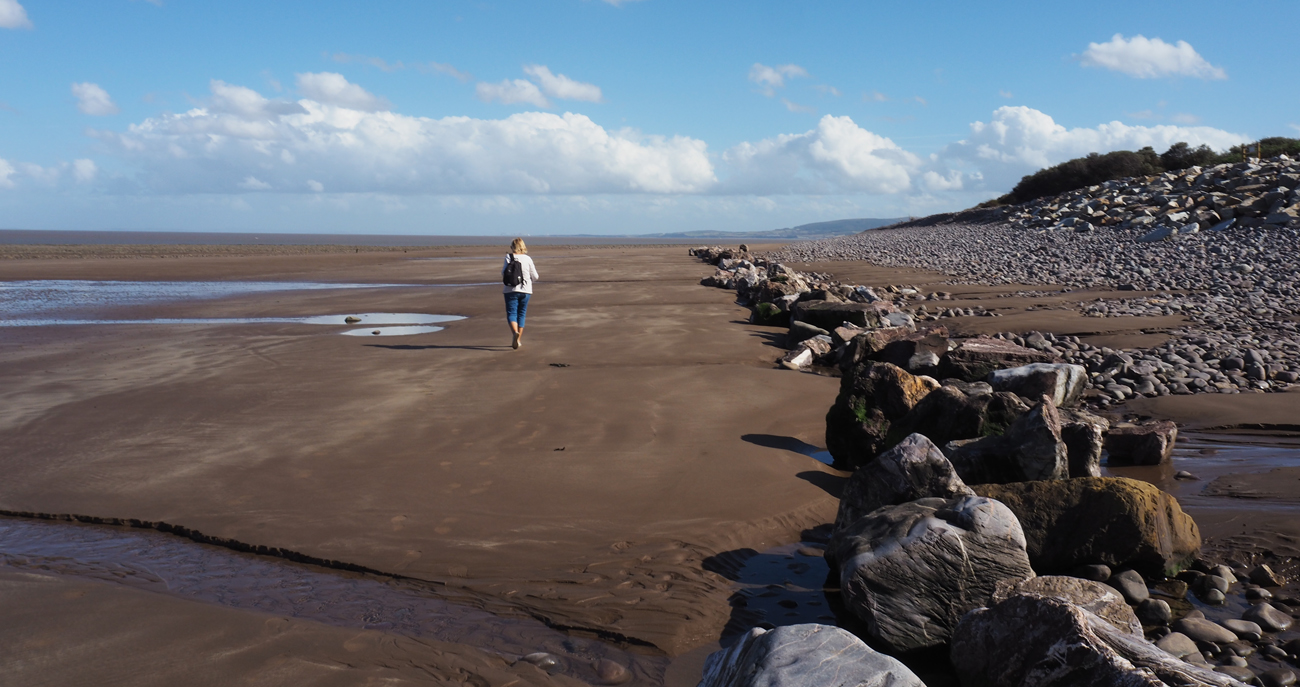
Not a traditional location for a walk, but it was interesting to see HPC (Hinkley Point C) close up. The nuclear power station is visible from Weston Super Mare and from towns along the coast to the west, like Minehead. From a distance it seems huge but, weirdly, appears to become smaller the nearer one gets.
We started in Stogursey, (a moated castle, ancient wells and cobbled streets) and then up to the coast via Burton and Knighton, and along to the huge HPC development.


This very old village, a few miles south of Bath, is full of history, with a packhorse bridge, a ford (dry at the moment), a neolithic tomb, disused railway (Dr Beeching), Monmouth rebellion connections, WWII defence remains, an old Fuller’s Earth mine, pre-12th century St Julian’s church and a great pub (The Fox and Badger – closed, alas, on Mondays).


We have visited this spectacular bay on the Gower Peninsular in Wales many times, but it never disappoints. We even both managed a swim. It is unreachable by car and is approached via Pennard Pill, a meandering stream and tidal river that cuts through the salt marshes below the remains of Pennard Castle and empties into the sea in the middle of the beach. At my suggestion we took a “shortcut” back to the car turning what would have been a three-kilometre walk into at least five.


Walking eastwards towards Staverton and back along the Kennet and Avon canal.


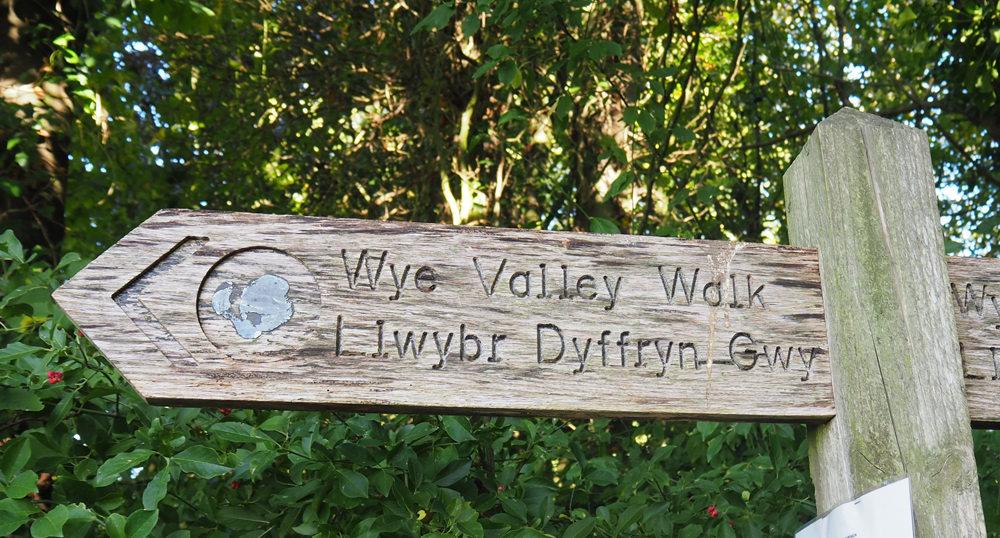
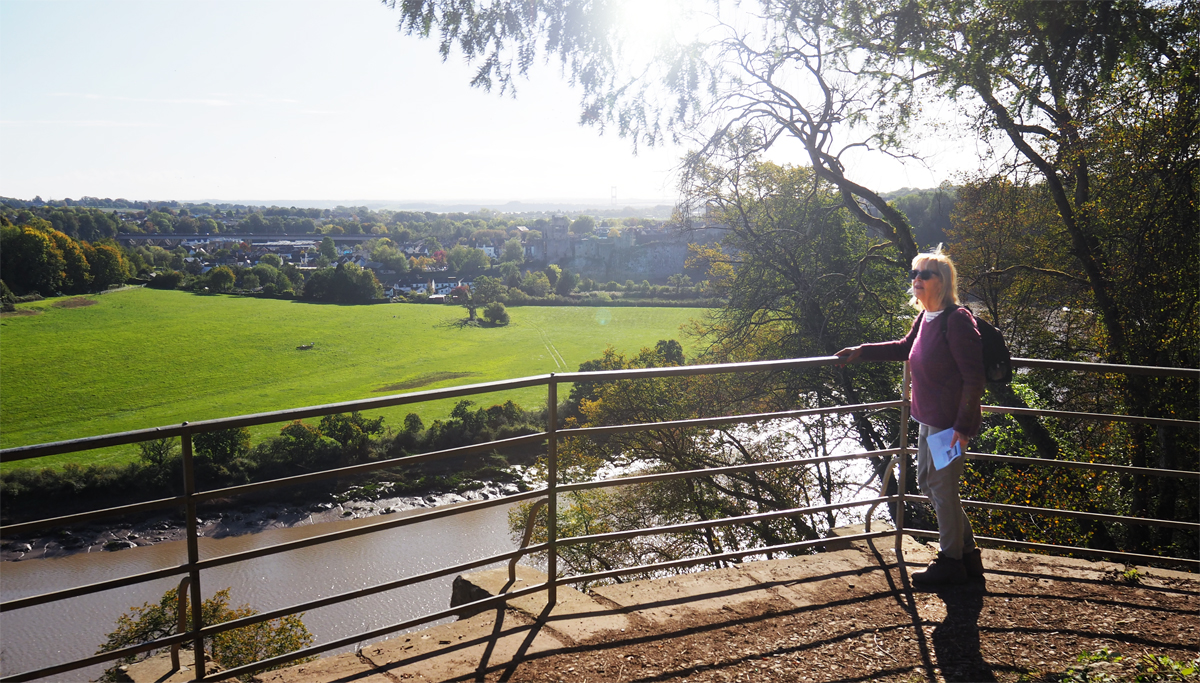
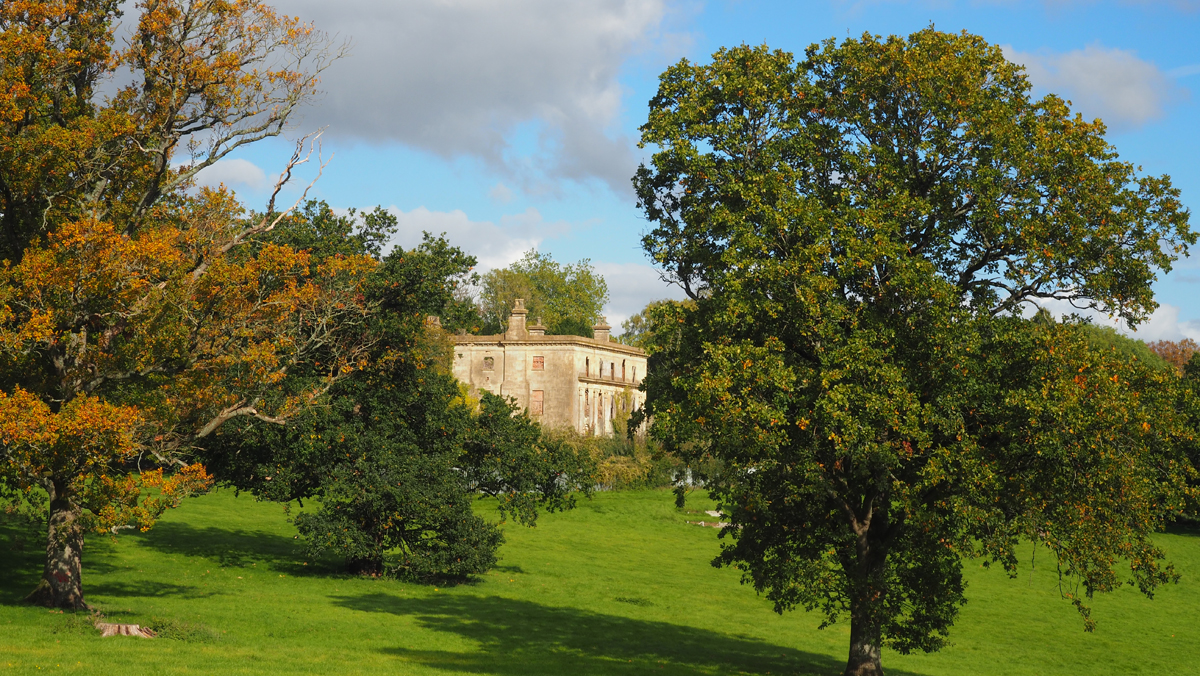
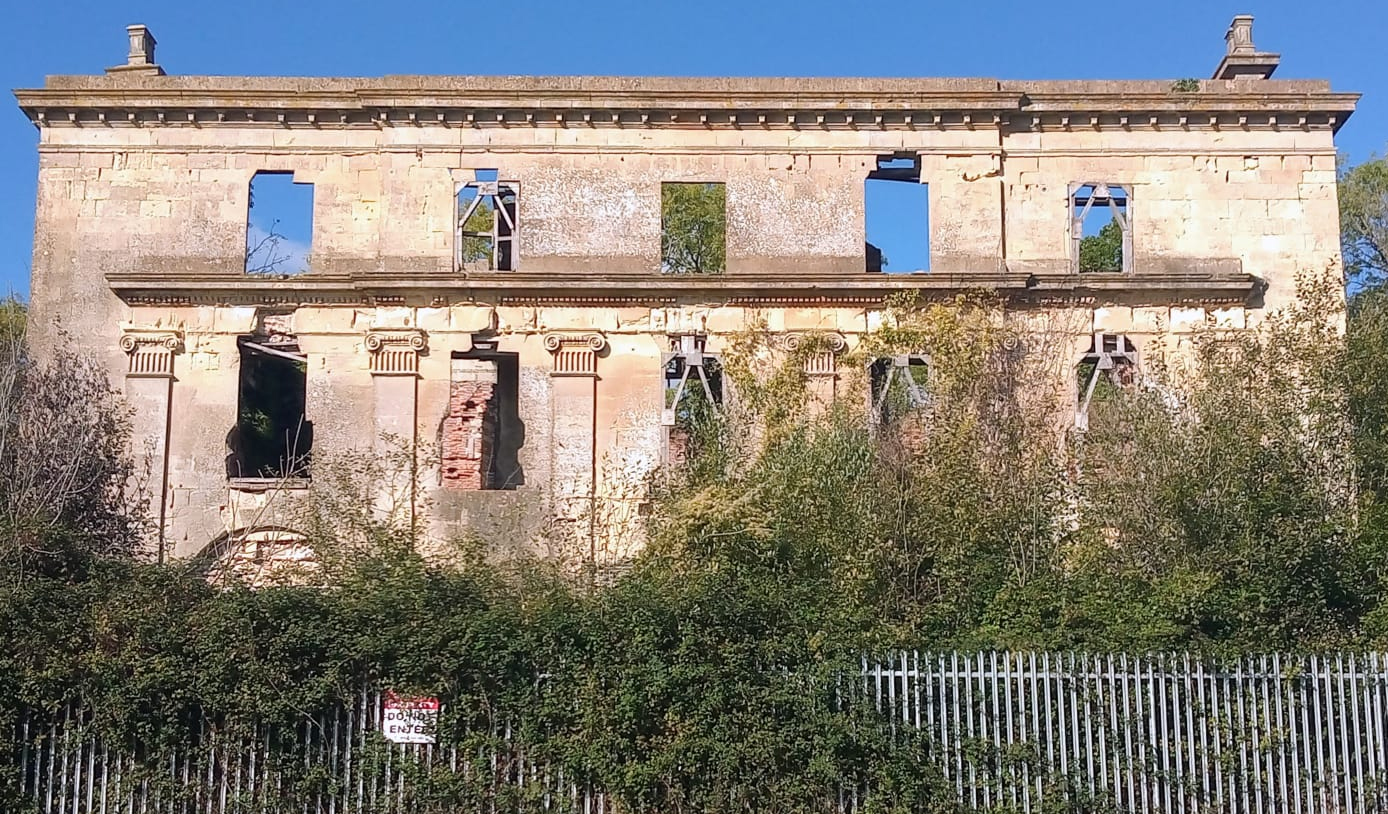
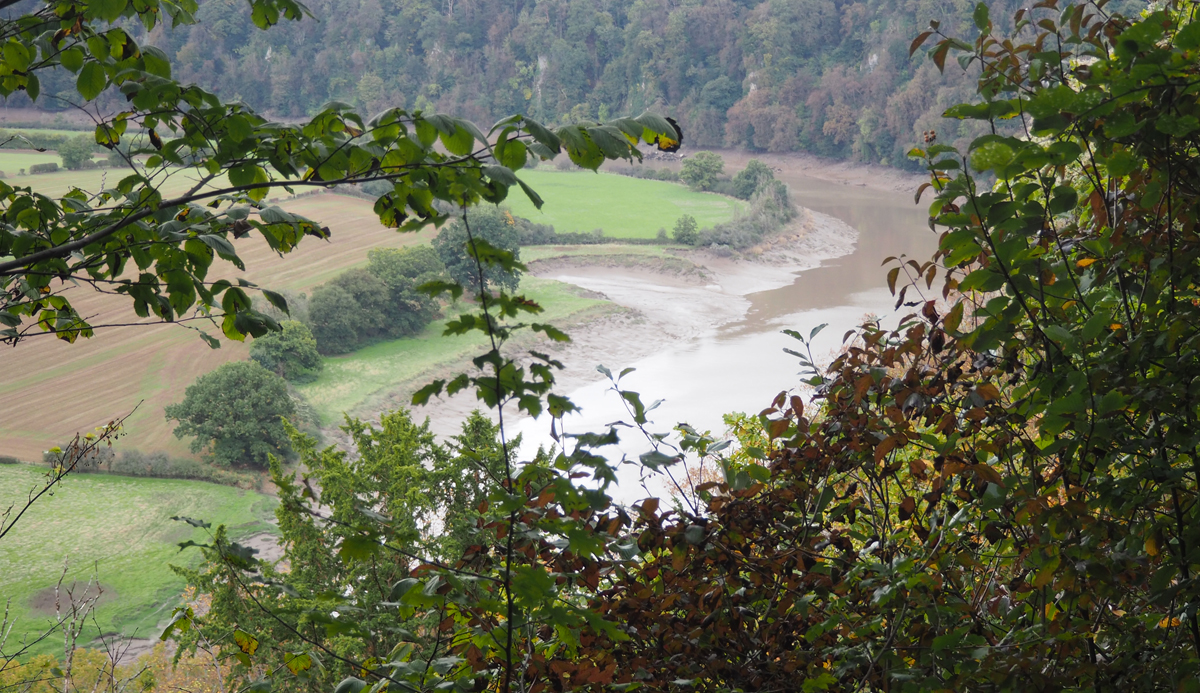
Including Bertrand Russell’s birthplace and the (almost completely dry) Cleddon Shoots waterfall.


You must be logged in to post a comment.