
13 June: An early (0345 hours) start got us to the head of the queue for the Poole – Cherbourg ferry.

Then to a familiar supermarket near Valognes to stock up (very little food is able to be carried into France since we left the EU) and then another old favourite, Saint Sauveur Le Vicomte, for our first night.

14 June: Malestroit, at the junction of the Nante-Brest canal and the river Oust. A lovely little town, although showing some signs of economic difficulties. After strolling around for an hour or so in the late afternoon, we realised that we had actually cycled through it in 2015 when we rented a house in a nearby town, Rochfort-en-Terre.

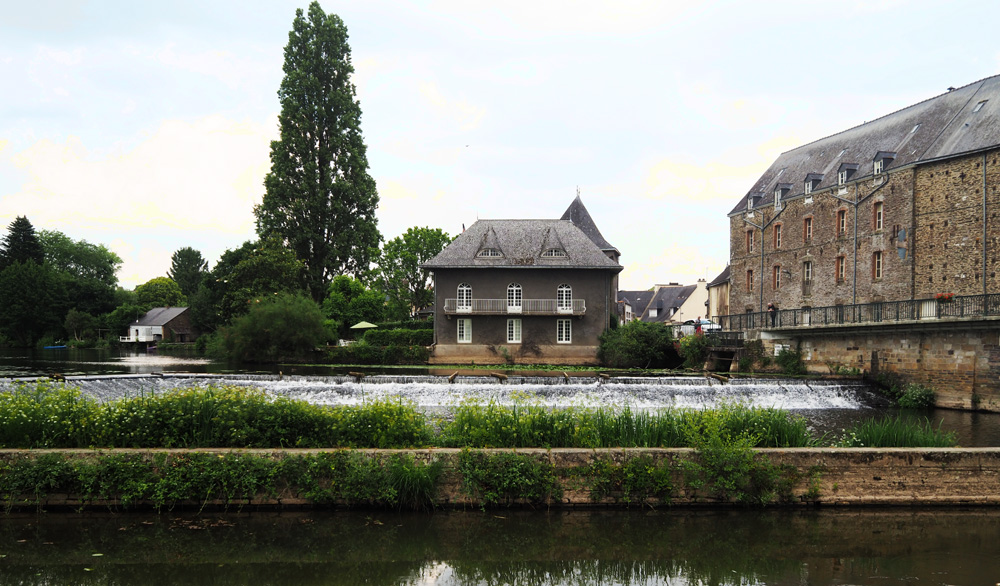


15 June: On down to Arzon, at the end of the Rhuys peninsula, south of Vannes on the south Brittany coast. Another favourite, which we visited last year. We stayed in Port Sable, a different site to last year, with access to a quiet beach. It has been very dry, as evidenced by my attempts to guy down a screen around our pitch.


16 June: We walked along the coast path to the Friday market at Port Navalo. Good atmosphere with street jazz band


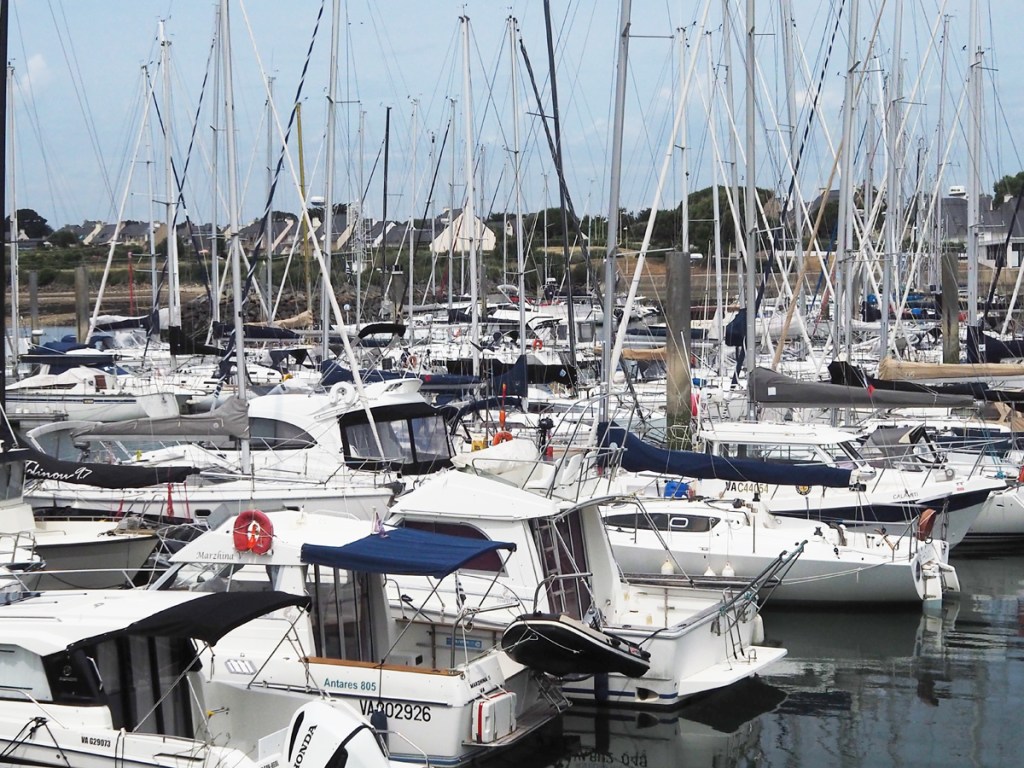
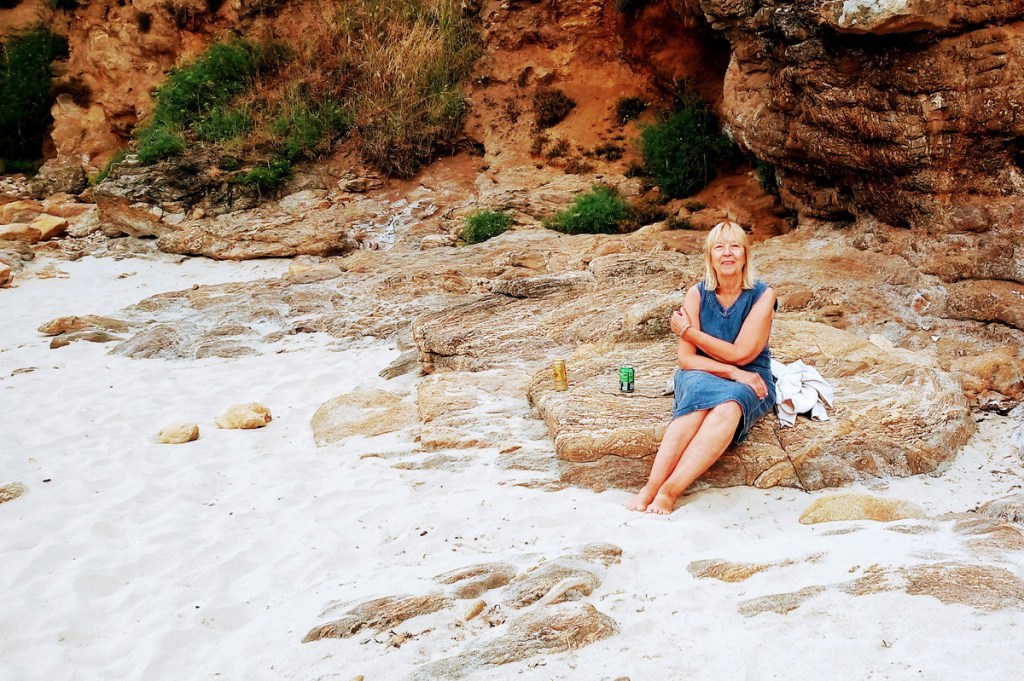
17 June: We walked to the east, to the big port and marina, known as Port De Crouesty, which is a bit touristy, but interesting and cheerful. Although there are hundreds of expensive-looking yachts there are also working fishing boats. Then we continued around the Petit Mont, to the south-east of the port, on top of which is a Neolithic cairn, much used over the centuries, including in WWII. Later, on the beach.



18 June: Last year we went to a very big street market in a locality called Bourg, but it didn’t seem to be on so had to content ourselves with some very big (and quite expensive) prawns sold outside a local supermarket.


19 June: We continued south down the French coast, stopping at the medieval walled town of Guerande for lunch and for Sal to buy a silver ring in a jewellery shop. Then on south, over the big bridge at St Nazaire, and east along the south side of the Loire, through Nantes, and, eventually to a campsite beside the river in Ouden. Many sites have interesting little wooden “houses”, which would be ideal to use on a cycling trip.


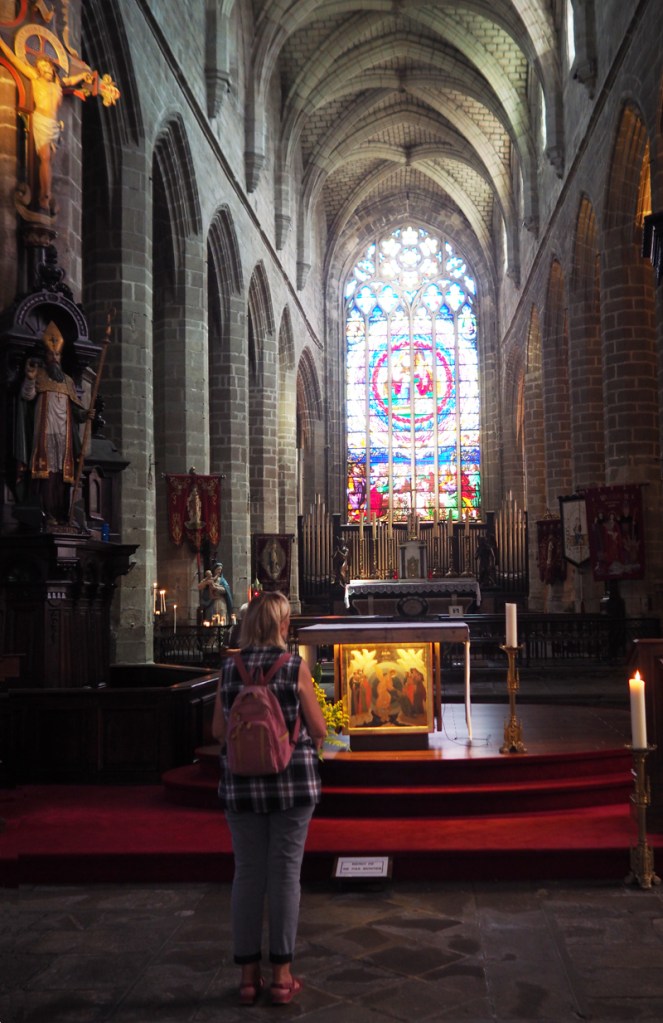


20 June: A familiar date, and we went to a nearby restaurant to celebrate Sal’s birthday,
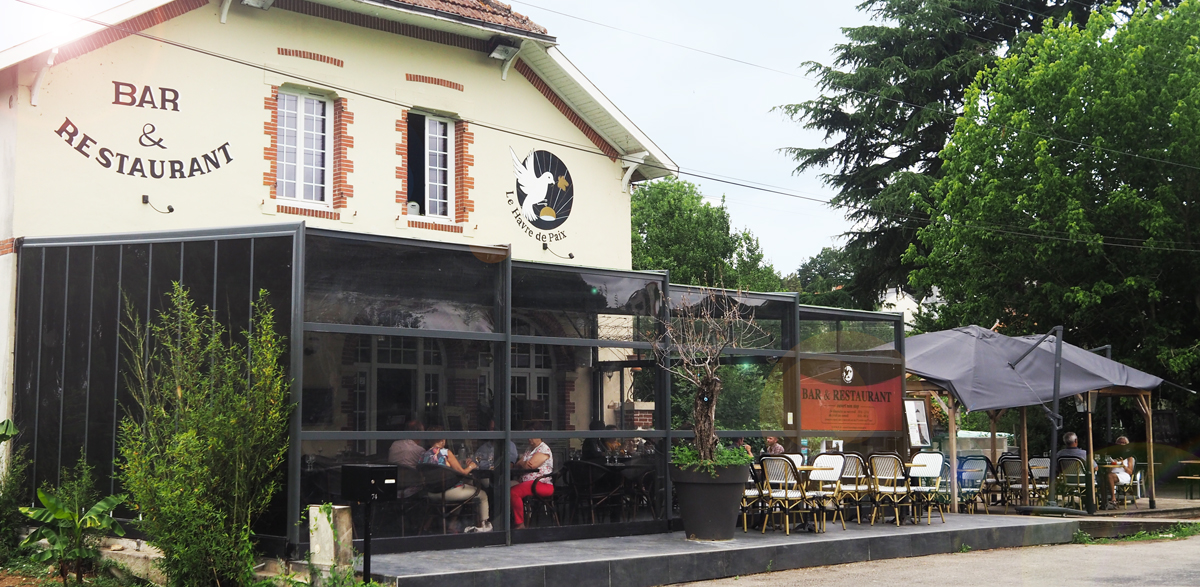

Then further exploration of the town and we walked up the Havre river, a tributary of the Loire.


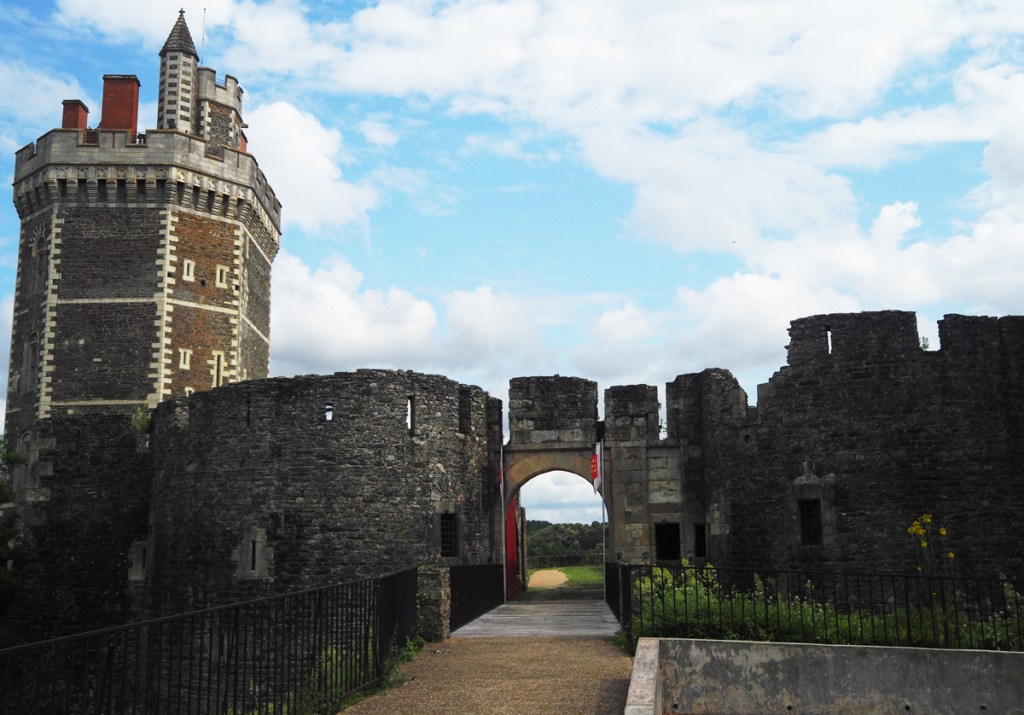

21 June: We drove another twenty miles or so upstream, to St-Florent-Le-Vieil, and to a campsite on an island in the river, with Loireauxence on the north bank. Very hot, but we needed some supplies so walked into town and up the hill to a supermarket.


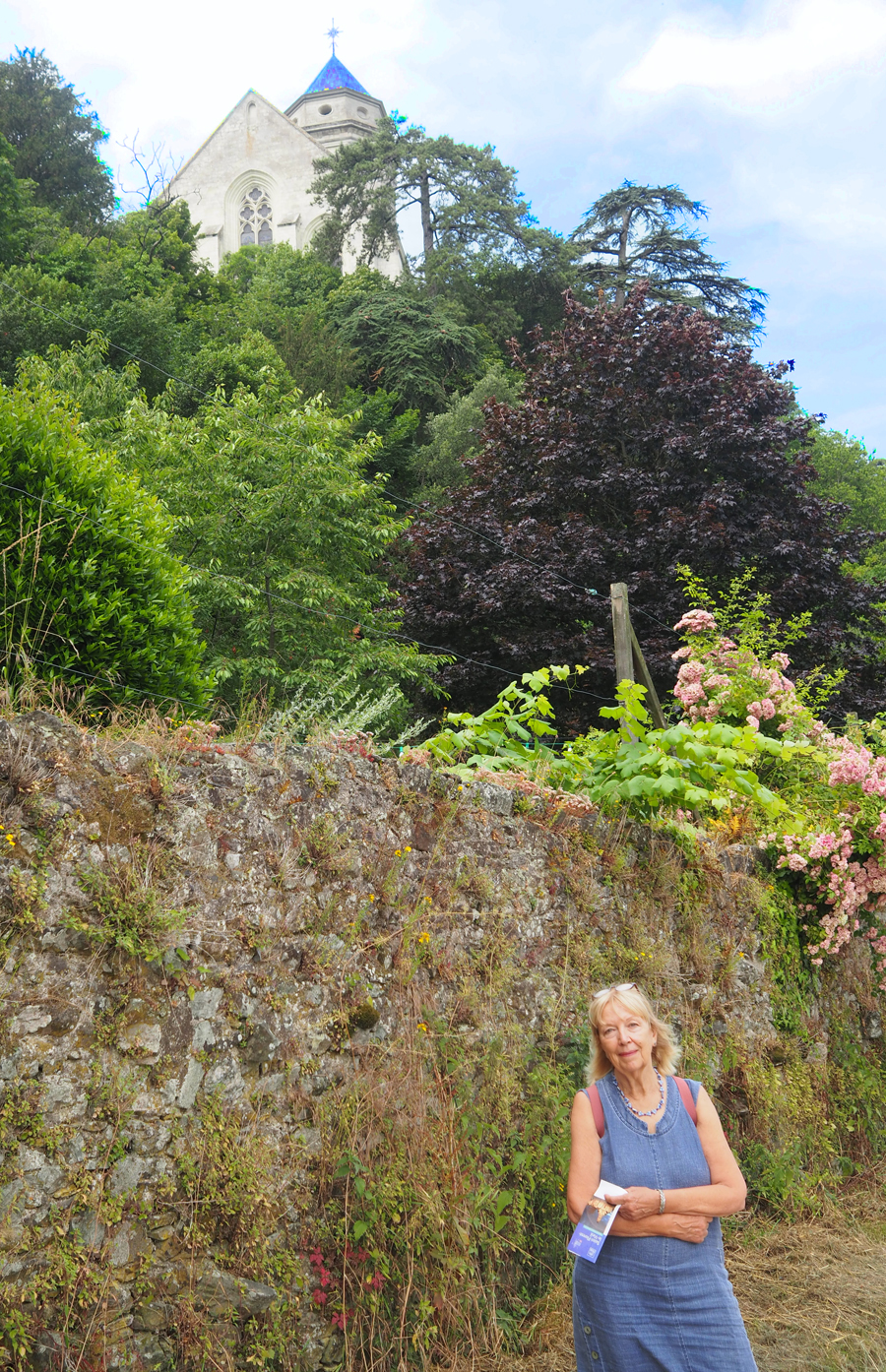
22 June: We had picked up a History Trail of St-Florent-Le-Vieil sort of leaflet in the campsite accueil, and decided to follow it around the town. Which was great! Particularly interesting because of the town’s connection with the civil war and French Revolution. [The second picture is of Barnam’s hut. Barnum was a donkey who lived there and worked in a nearby quarry].


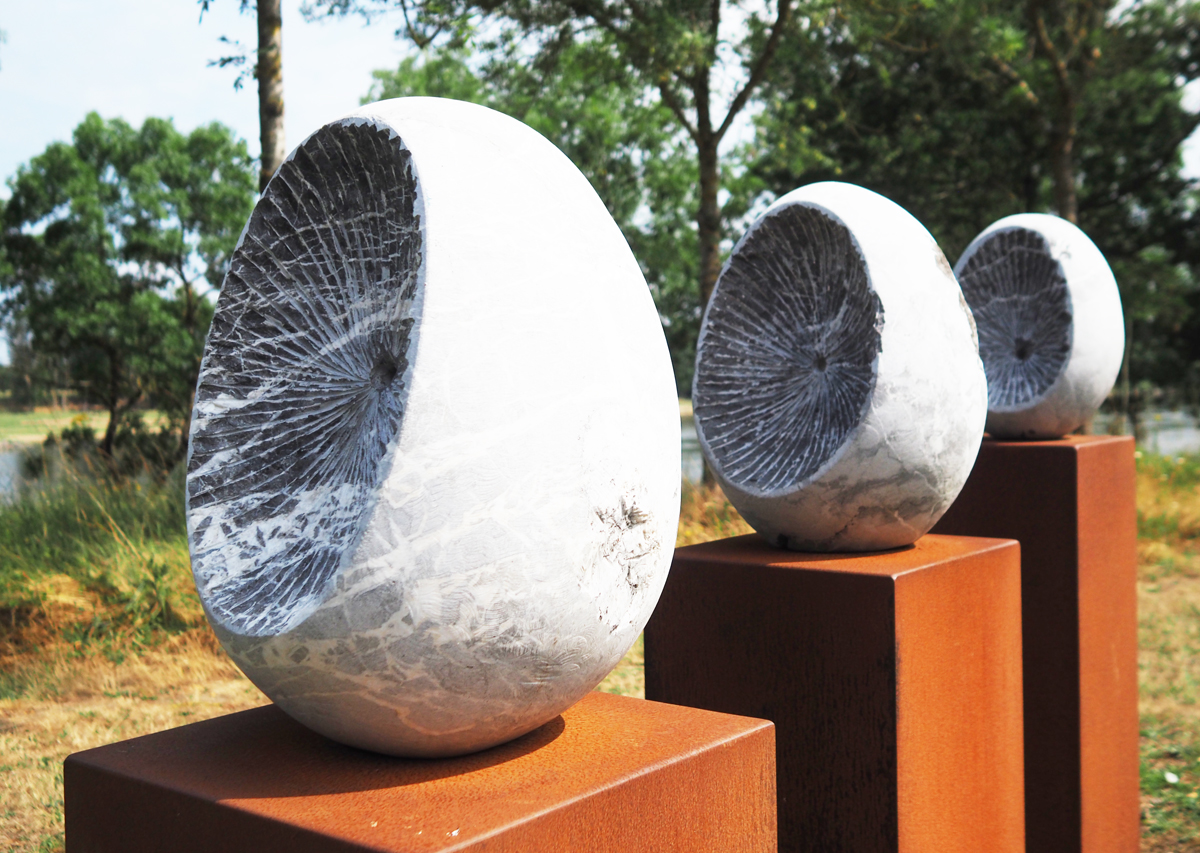


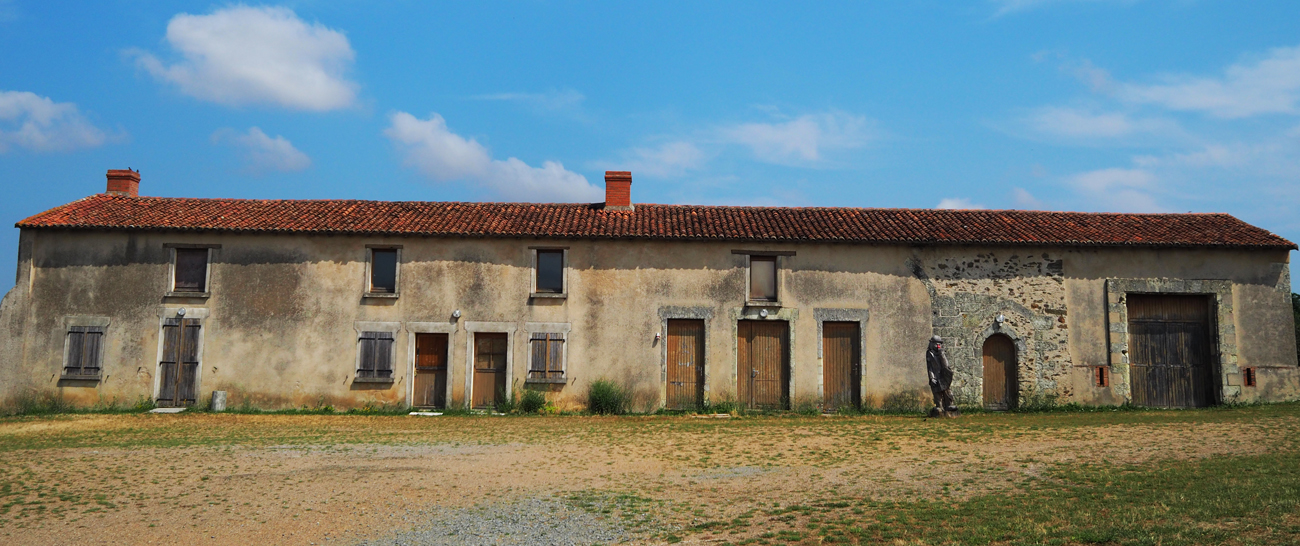
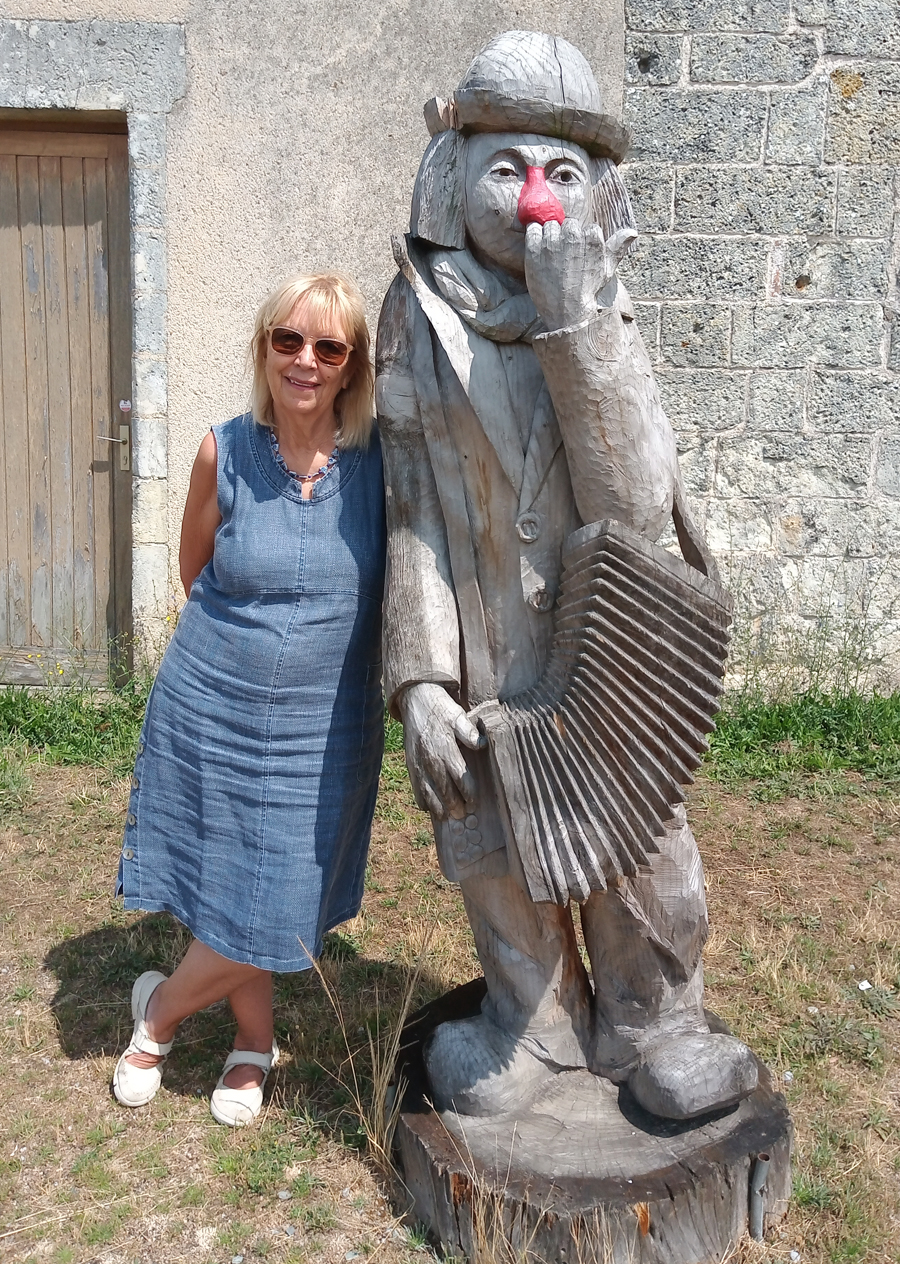


Later, we walked over a bridge from the north of the island to some beaches on the north bank of the Loire.


As it got dark we spotted, from near to the camper, beavers, hares, egrets and herons.
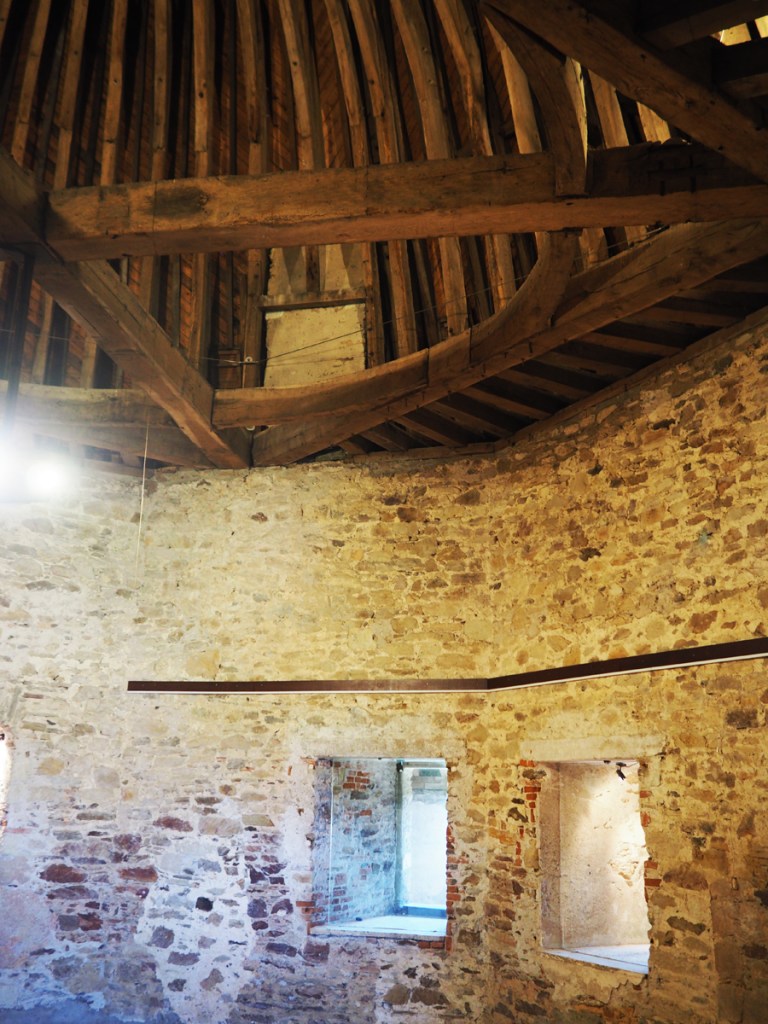
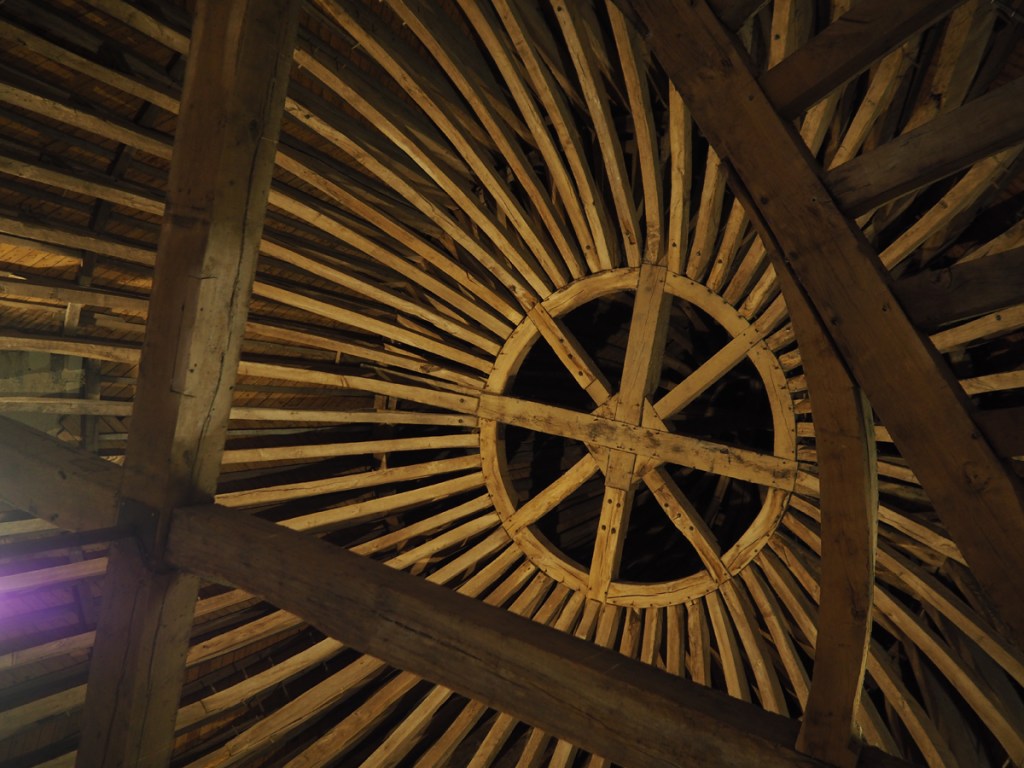
23 June: Drove north of the Loire to Blain, still in the Loire-Atlantique. Very quiet site, mainly used, later in the day, by cyclists. Many individually-designed small cottages available for hire, giving the site a Hansel and Gretel atmosphere. We stayed here for a few nights as it was an interesting town with an unusual chateau, nice restaurant by the canal and a usually-empty swimming pool on the site.


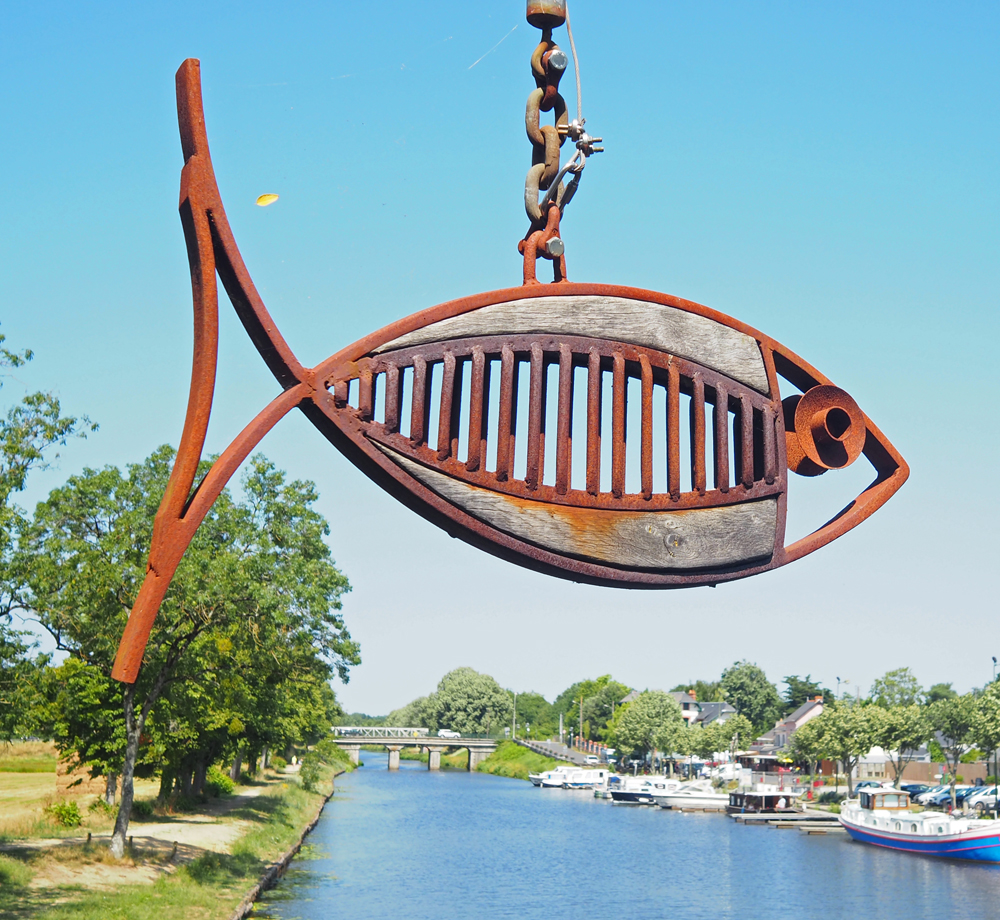


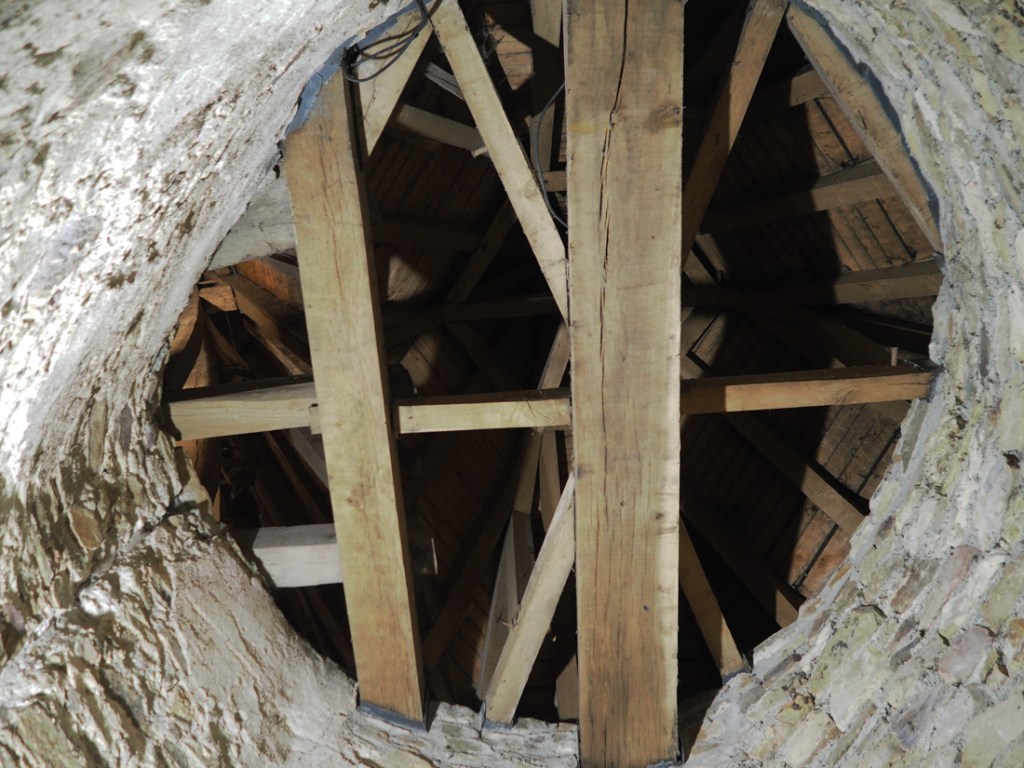


26 June: We drove back westwards towards the coast and stopped at Penn Lann beach, near Billiers, for lunch. Then on to a favourite from last year, the island, or peninsular, of Quiberon, on the south Brittany coast. We stayed on the same site as last year, Saint-Pierre-Quiberon, which is simple and non-regimented, which we prefer, but was slightly more crowded than last year.

27 June: We caught a bus outside the campsite to the town of Quiberon, on the tip of the peninsular, about 5 km away. We had driven here last year while looking for a campsite and thought it was a bit “touristy”, but it seemed very nice this time. We walked right around the bay from the Old Port to the east, to the modern ferry port in the centre of town.


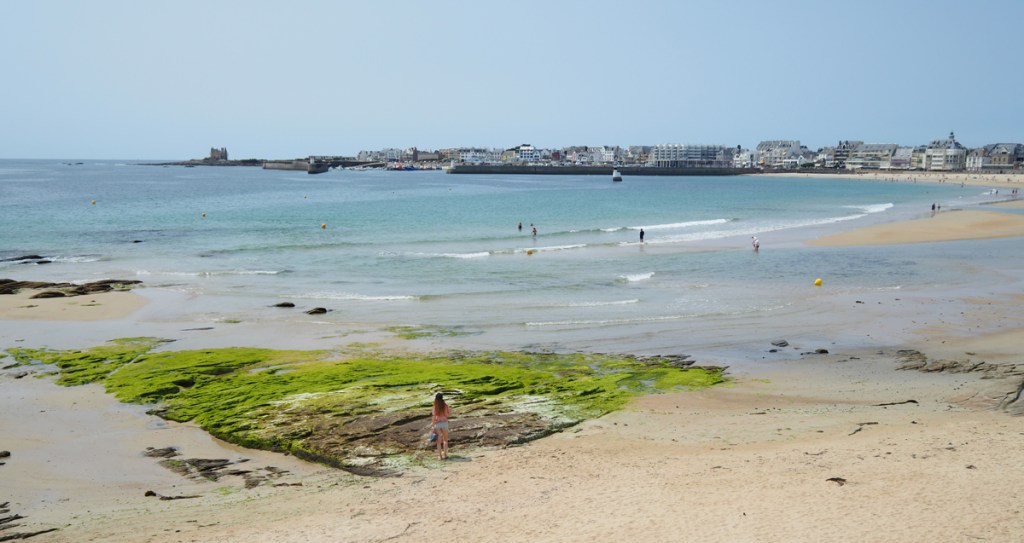


28 June: Lazy day, doing some washing and swimming off the local beach. We walked into Saint-Pierre later and had a beer on the beach.
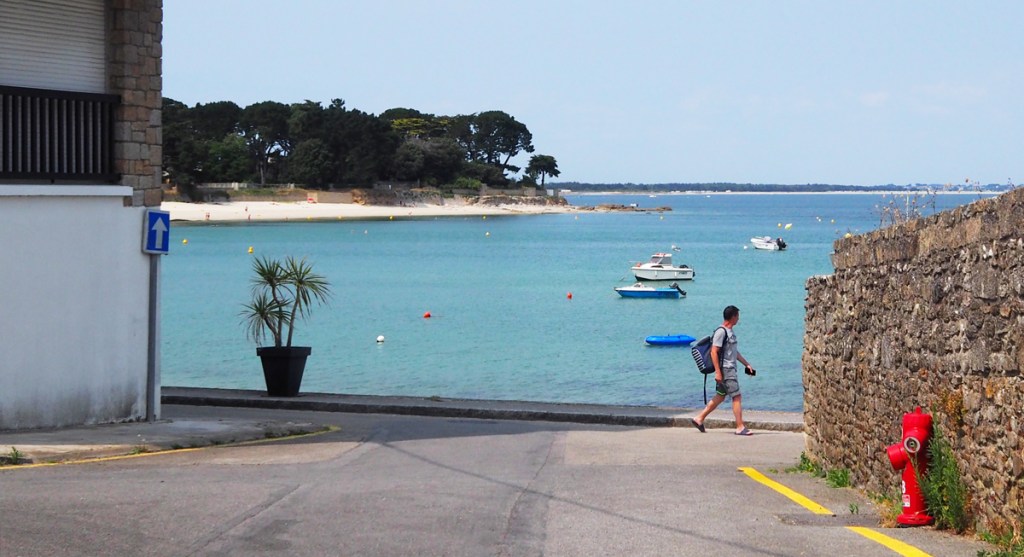

29 June: Packed up (we’re getting quicker every time) and drove short distance to Carnac, a historic town, famous for its megalithic stone circles which attract many tourists.


Then to the city of Quimper, The ancient capital of Brittany, and many similarities to Cornwall and Wales. All Brittany, like Wales, has two names for most places, and there are some recognisable comparisons, for instance Quimper is Kemper in Bretton, like the Welsh Cymer or confluence ( of the rivers Le Steir and L’Odet). We stayed in a town-centre Municipal site, which was very popular, despite the not-so-good weather.


30 June: Weather warm but drizzly so good to wander around Quimper and eat crêpes and galettes, local specialities.


1-2 July: Painpol, on the north coast of Brittany. Really nice town with loads to do which neither of us could remember visiting before (but, at our age, who knows?) The well-organised and friendly site was to the east of the town and close to an abbey, an oyster farm (and, on Sundays, a restaurant) and, bizarrely, what looked like a hydrangea farm.
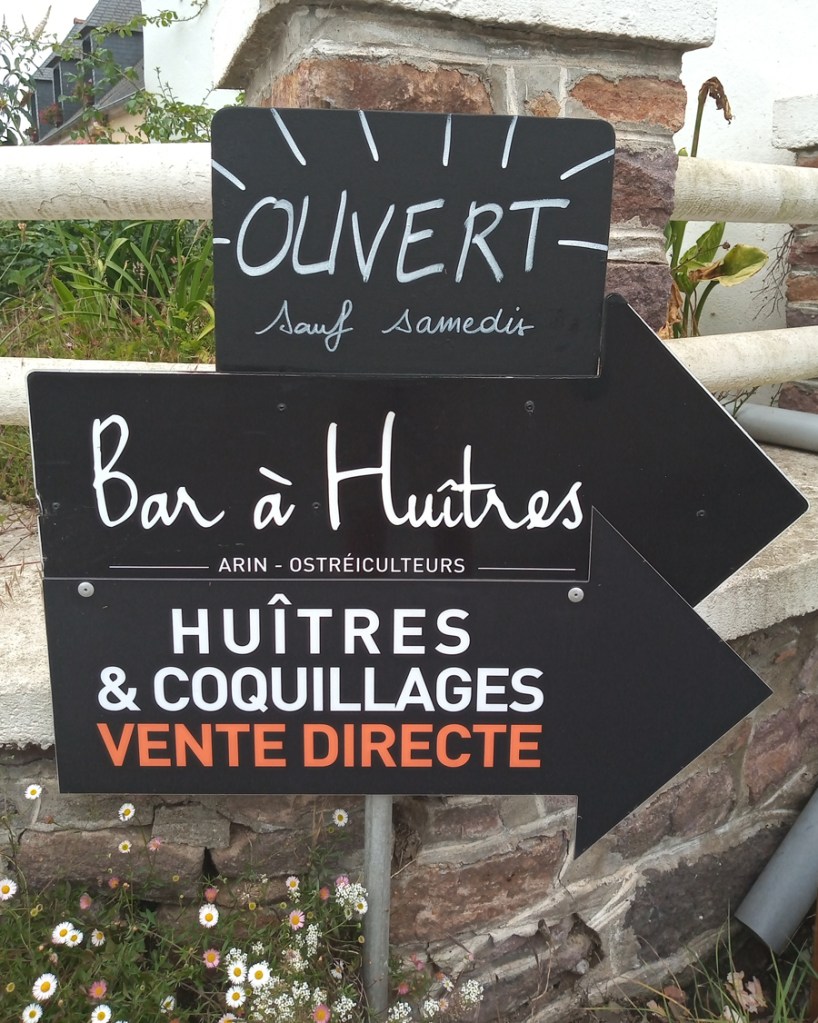


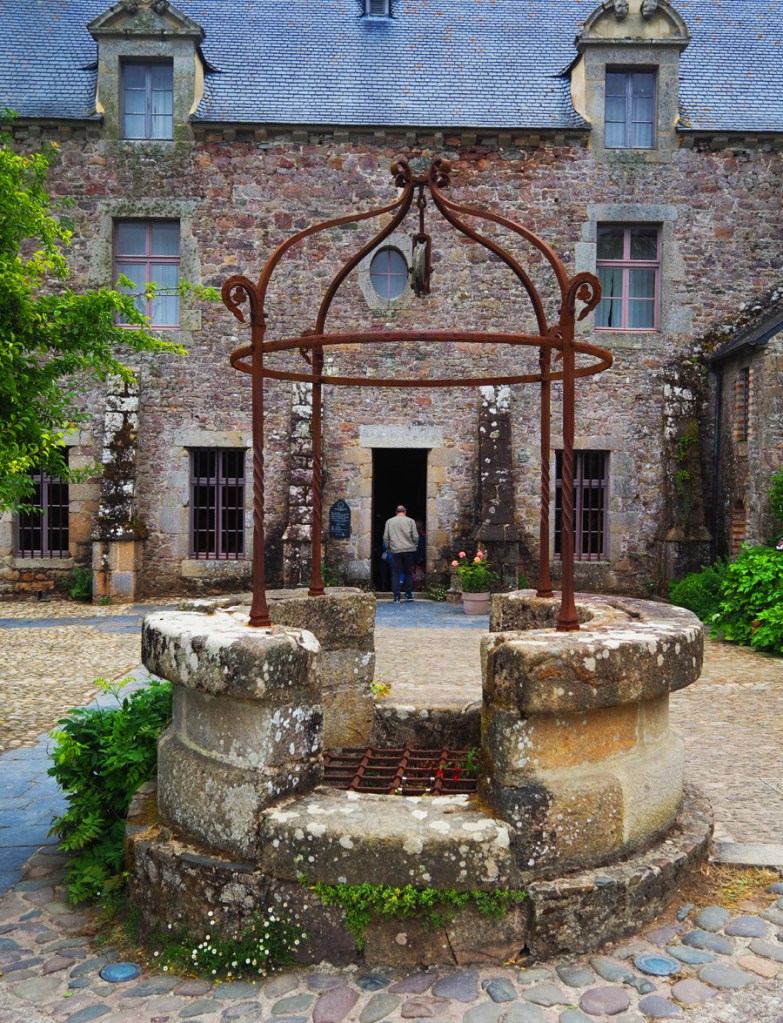
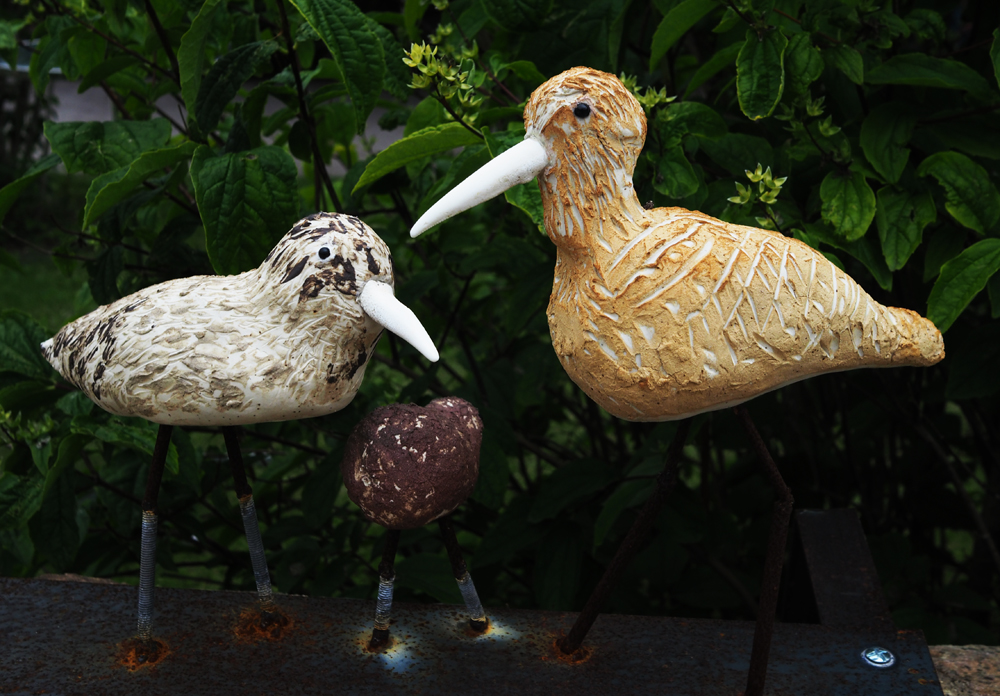
3 July: Back into town for a bit of shopping and a classic moules-frites.


4 July: Vire, in Normandy, to the south-west of the Cherbourg peninsular. Like much of the area, World War Two casts a long shadow. There seems, after all this time, a sadness about the war and, dare I say, a recognition of the role played by the British and Americans. There was an exhibition in part of the repaired defensive walls, which was quite moving, showing the town as it was before, and after, the devastation. The small, quiet, camp-site was unexciting but cheap and ideal for one night.


5 July: Isigny-sur-Mer is on the east coast of the Cherbourg peninsular, in the Calvados region, and mostly known as the home of a large dairy company which is now housed in two massive factory buildings on the outskirts of the town. But it is a pretty town some way from the open sea on the river Vire (which also flows through last night’s town). Many reminders of WWII here, too.


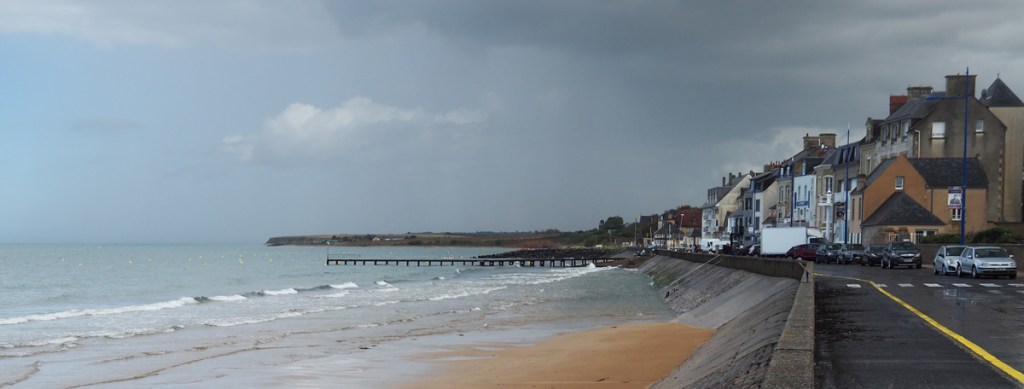
6 July: We returned, last night, to our familiar start/end site when travelling via Cherbourg, Saint Sauveur Le Vicomte. And this morning repeated the usual super-market-sweep to stock up with French produce. Then up to the north coast and Tourlaville, before boarding the ferry home.

 Martin's Mag.
You must be logged in to post a comment.