Porto, on the Douro River in Portugal, seems like a great place. After a direct flight from Bristol, and an easy bus journey, we arrived at our apartment, conveniently situated above a patisserie, bar and restaurant.

Porto view, looking down river.
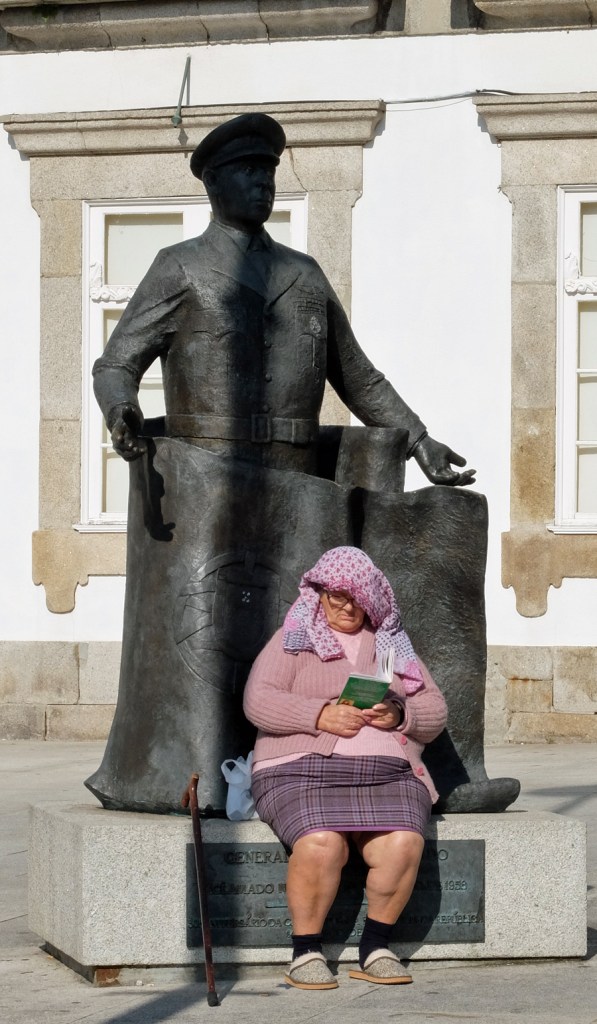
Woman reading by statue, Pç Carlos Alberto.

Walking along south bank of Douro to Fishing Village at the sea, and San Pedro’s restaurant!
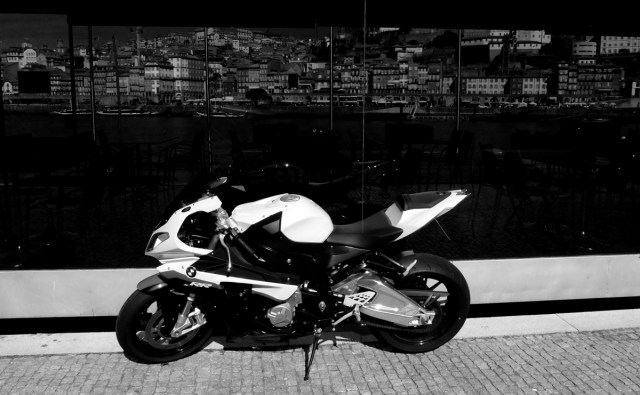
BMW in front of smoked glass.

Street art near Luis I bridge.

Luis I bridge from derelict window.
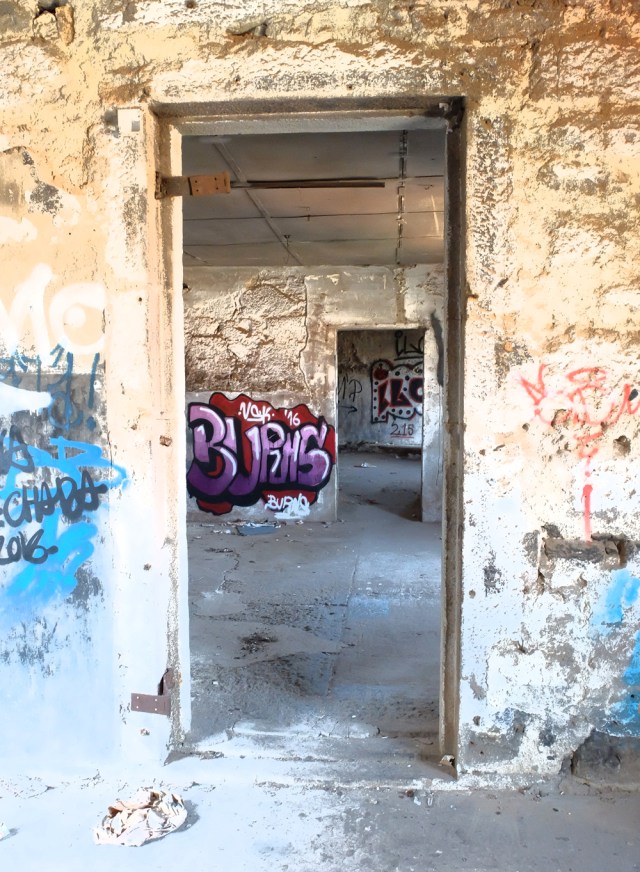
Derelict building south of River.

Disused wash house near Ponte do Infante.

Disused wash house near Ponte do Infante.

Majestic Café.

Majestic Café.

Steps in Mosteiro S. Bento da Vitória.

Steps in Mosteiro S. Bento da Vitória.

Mosteiro S. Bento da Vitória.

Mosteiro S. Bento da Vitória.
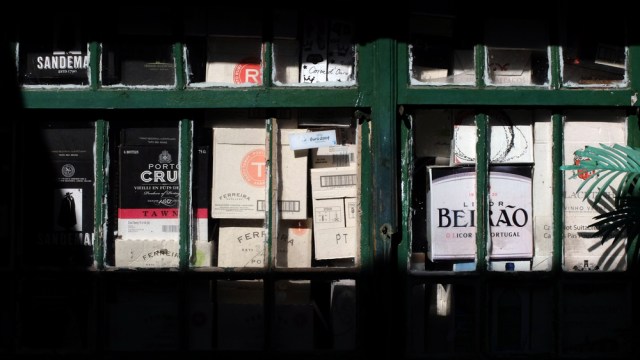
Mosteiro S. Bento da Vitória.

Mosteiro S. Bento da Vitória.
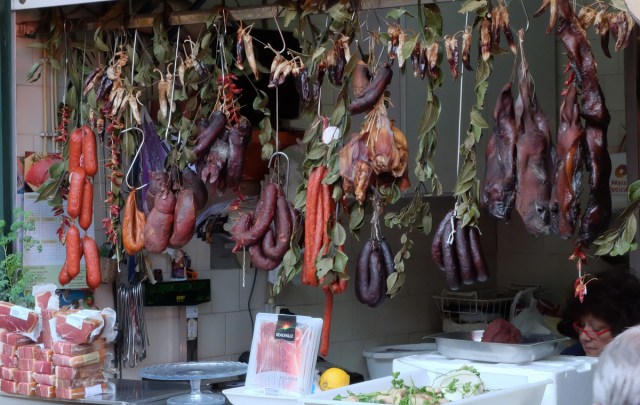
Mosteiro S. Bento da Vitória.

Subway station

Grafitti near Luis I bridge
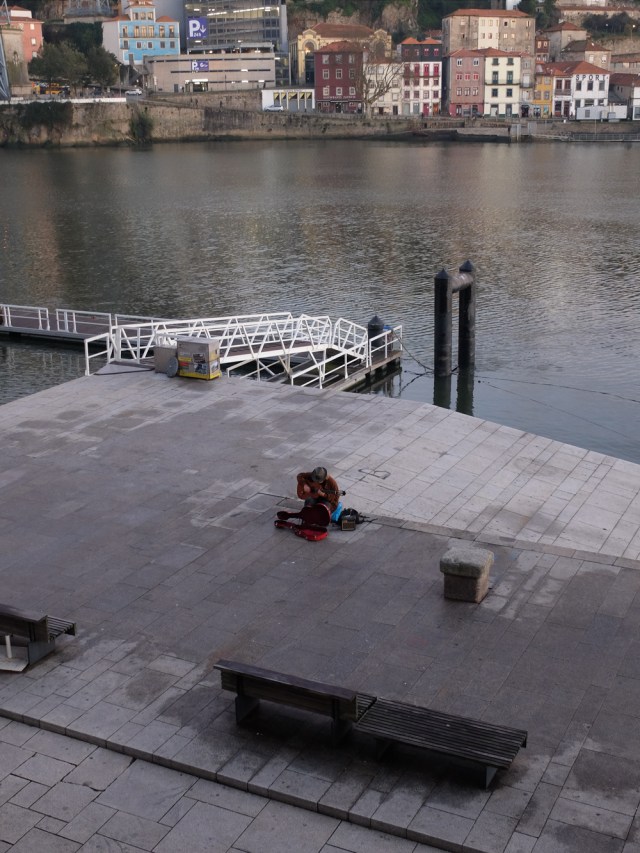
Solitary musician.

River view toward Serra do Pilar

Grafitti.

Grafitti.

Near the Parque Municipal das Virtudes.
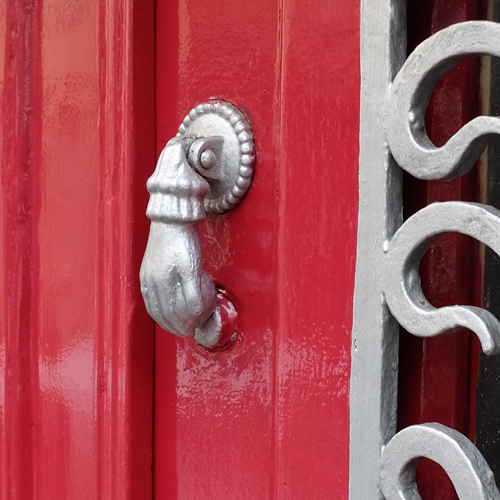
Knocker in Jewish quarter.
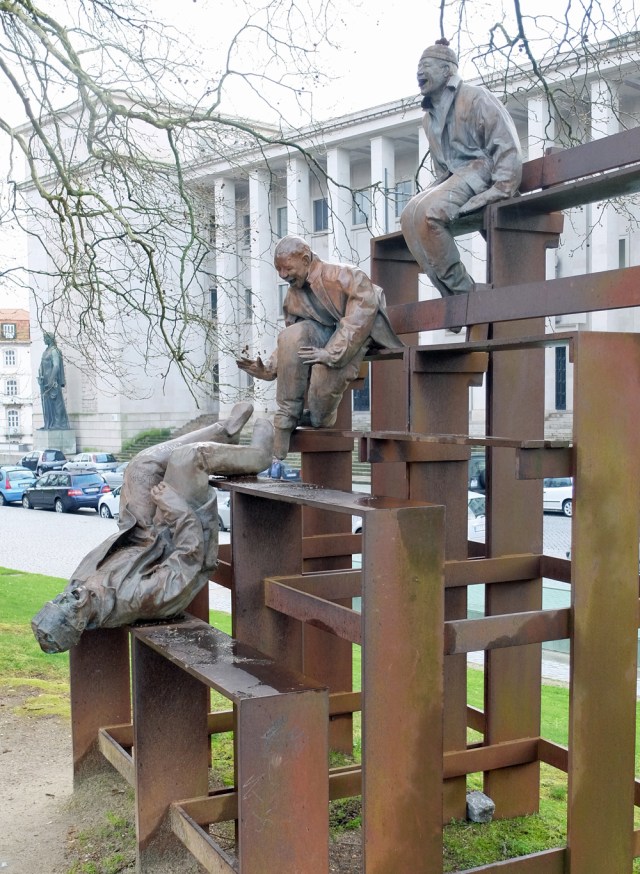
Street sculpture.
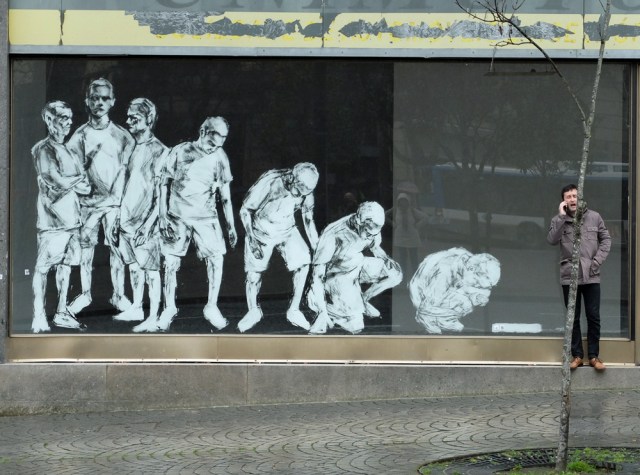
Street art.

Port tasting in market.
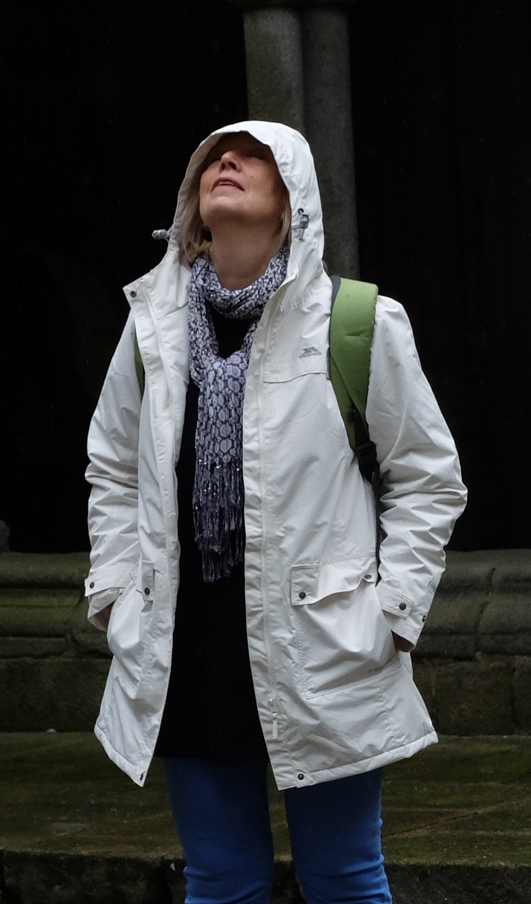
After port tasting.

Cathedral.

Cathedral.

Cathedral.
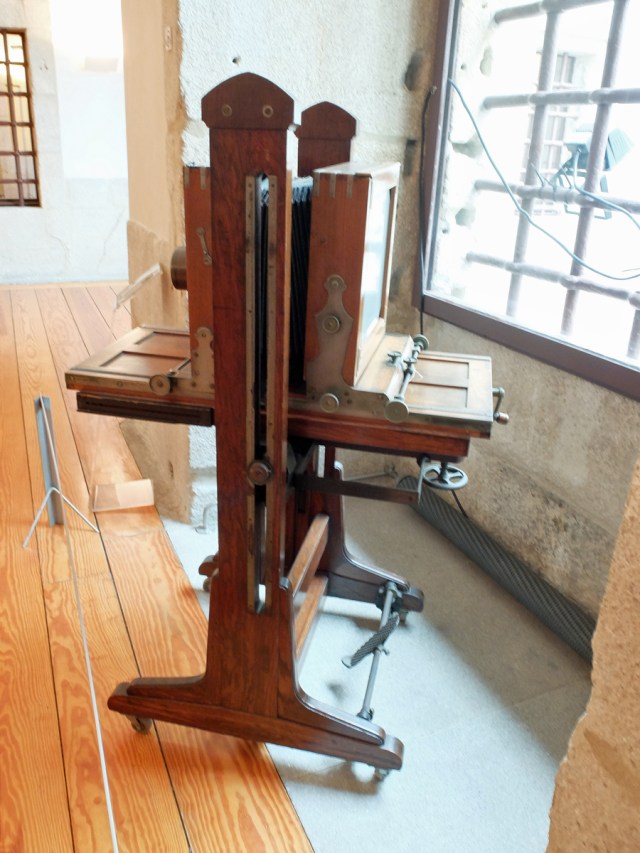
Photography exhibition in old gaol and courthouse building. Yes, that’s a camera.

Chairs in old gaol and courthouse building.
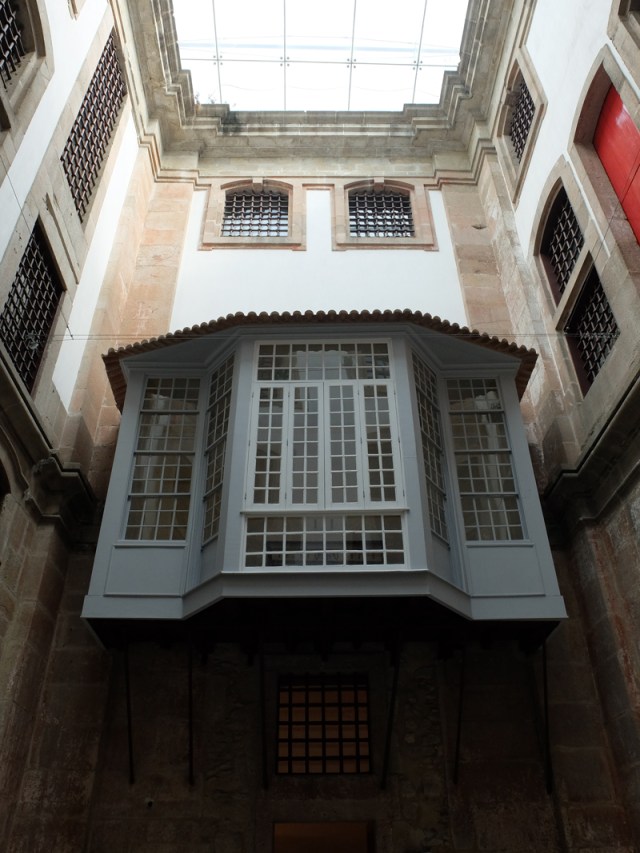
Old gaol and courthouse building.

Wine o’clock.

Casa da Musical.

Bad town planning?

Sculpture in Serralves Gardens.

Serralves Gardens.

Serralves Gardens.
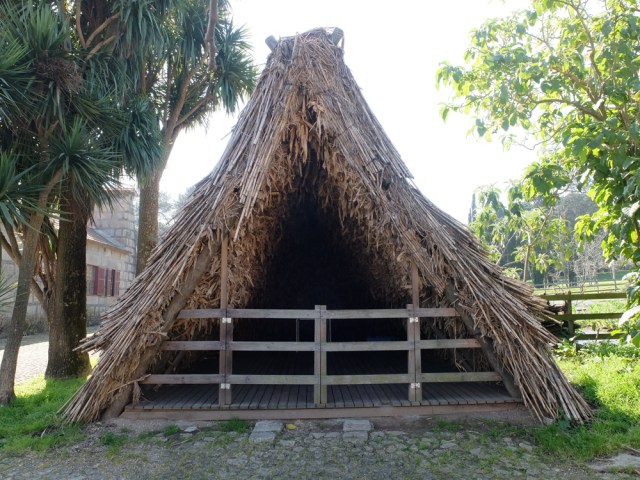
Serralves Gardens.

Teahouse in Serralves Gardens.

Bird sanctuary on river

Lighthouse at Foz.

Fortifications at Foz.

Tram interior.
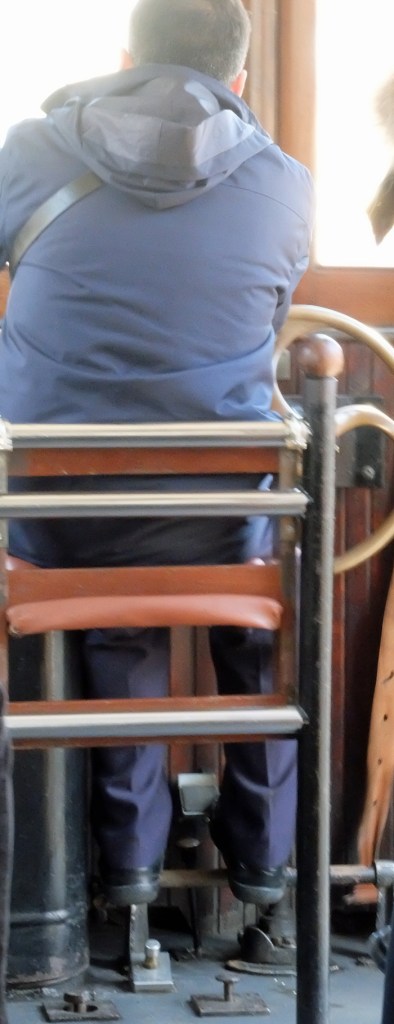
Tram driver. Every boy’s dream job

Tram interior

Street art
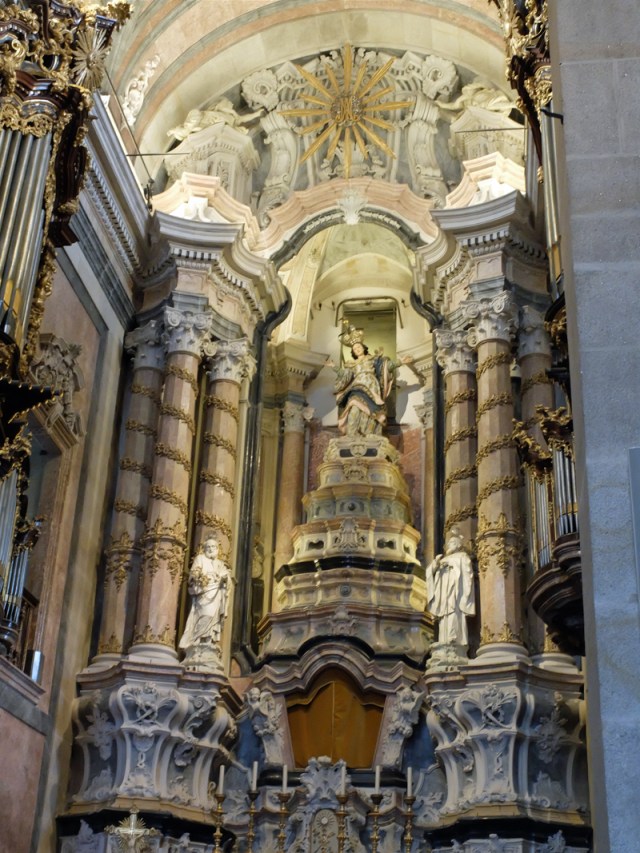
Church interior.

Igreja dos Carmelitas, Carmo.

Roof garden near Cordoaria.

Grafitti.

Being seranaded from below.
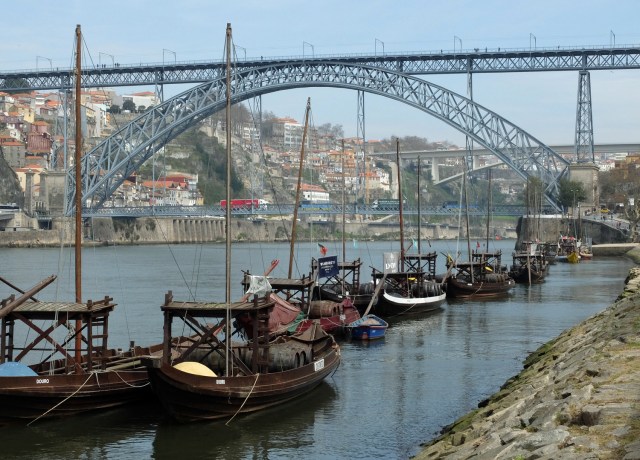
The Luis I bridge from south-west.

Fontainhaus district
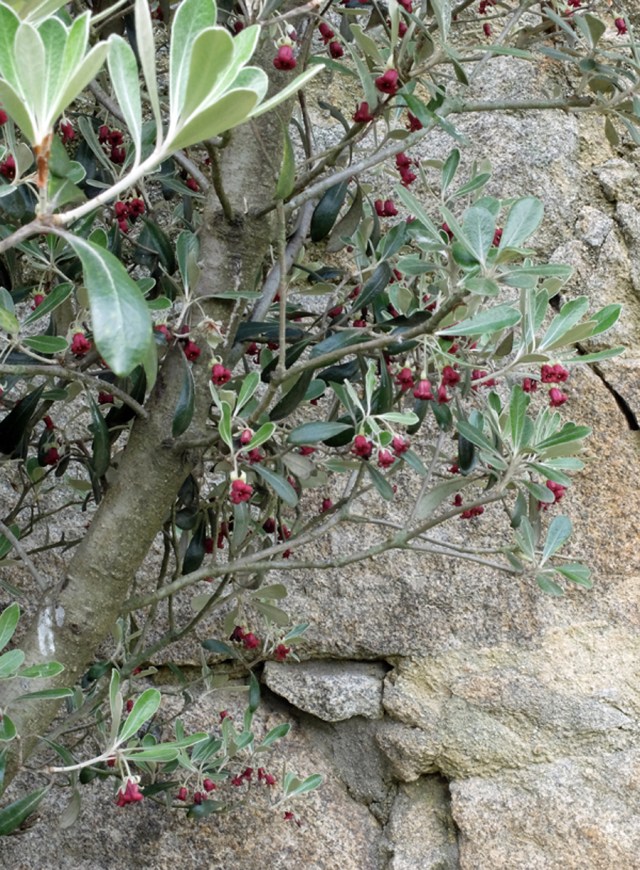
In the Parque Municipal das Virtudes.

Parque Municipal das Virtudes.

Parque Municipal das Virtudes.

Apartment window.
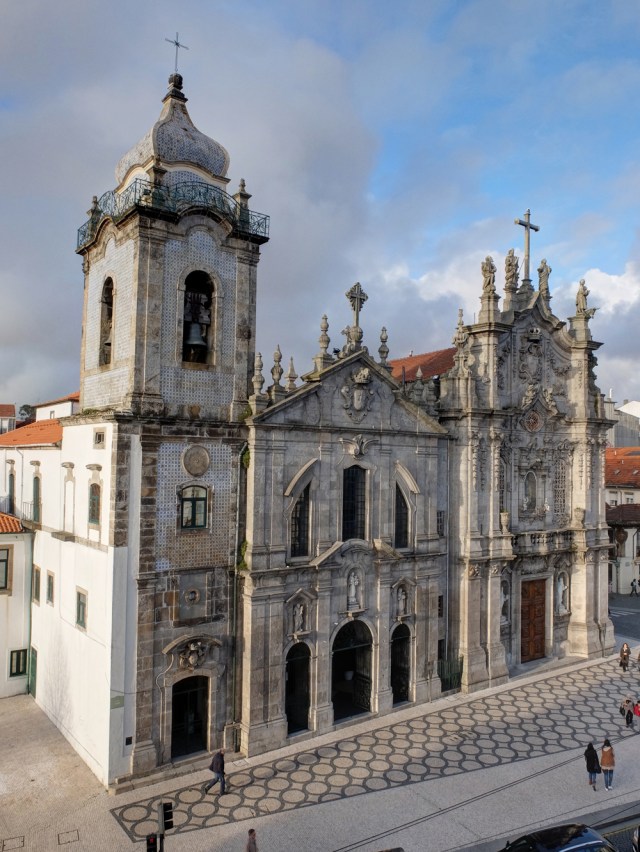
View from apartment. TWO churches separated by narrowest house in Portugal. Allegedly.
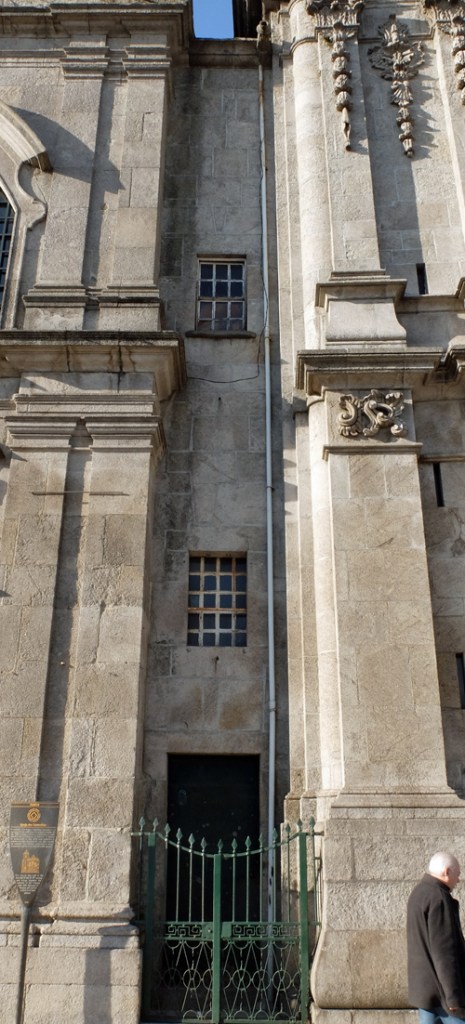
Narrowest house in Porto between two churches.

Apartment staircase.
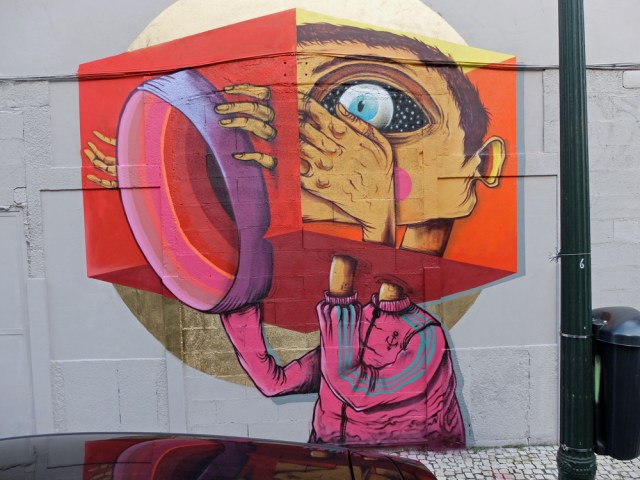
Grafitti
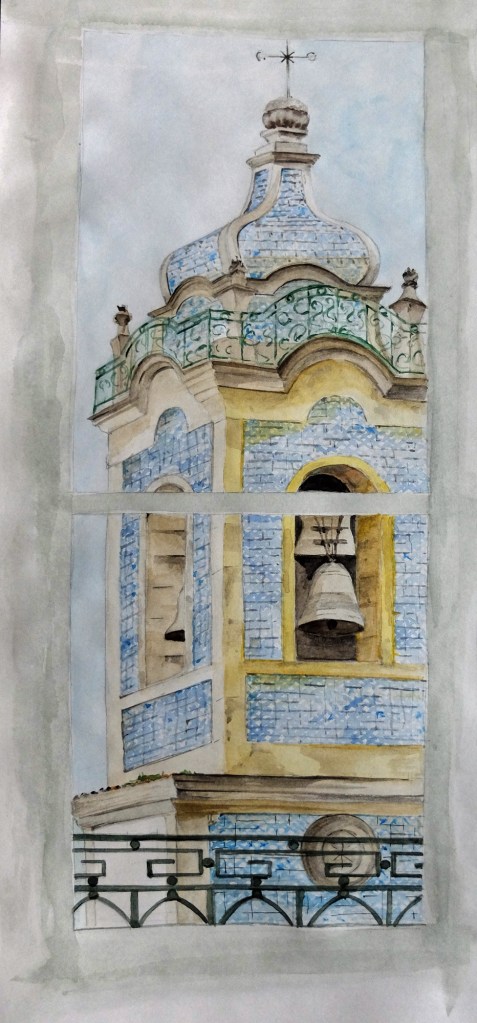
Sally’s painting of view.

Sally’s painting.

Sally painting.

Grafitti.
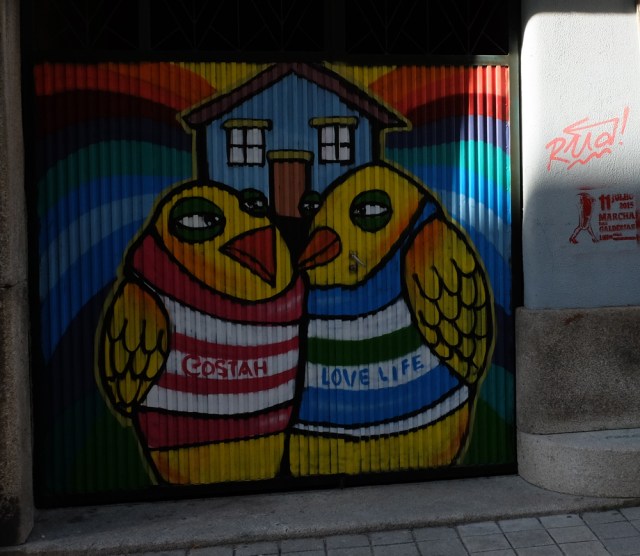
Grafitti.

Grafitti.

Grafitti.
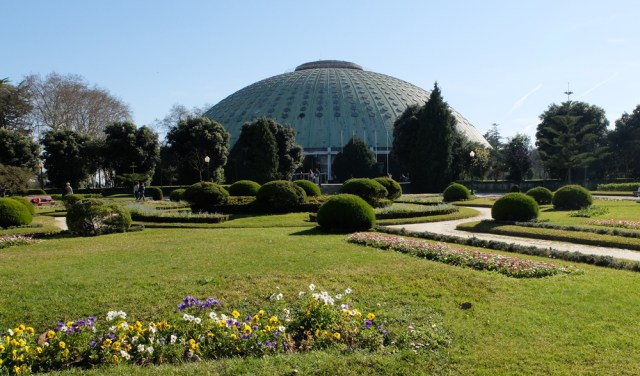
Palacio de Cristal.

Parque da Pasteliera.

Parque da Pasteliera.

Thirsty dog.

Parque da Pasteliera.

Motorway bridge from the Parque da Pasteliera.

Trams.

Tram.
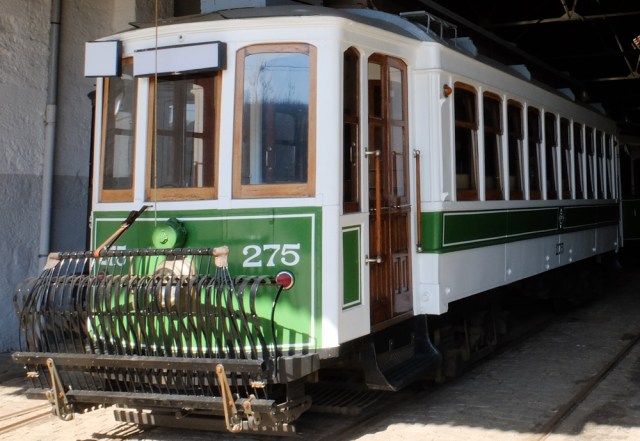
Tram.

Railway station.
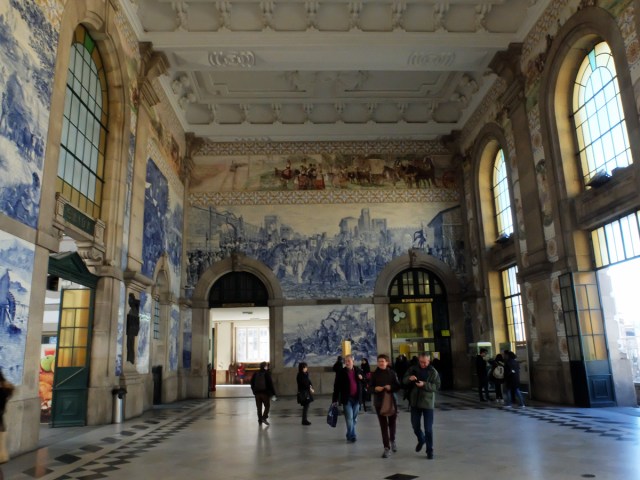
Railway station.
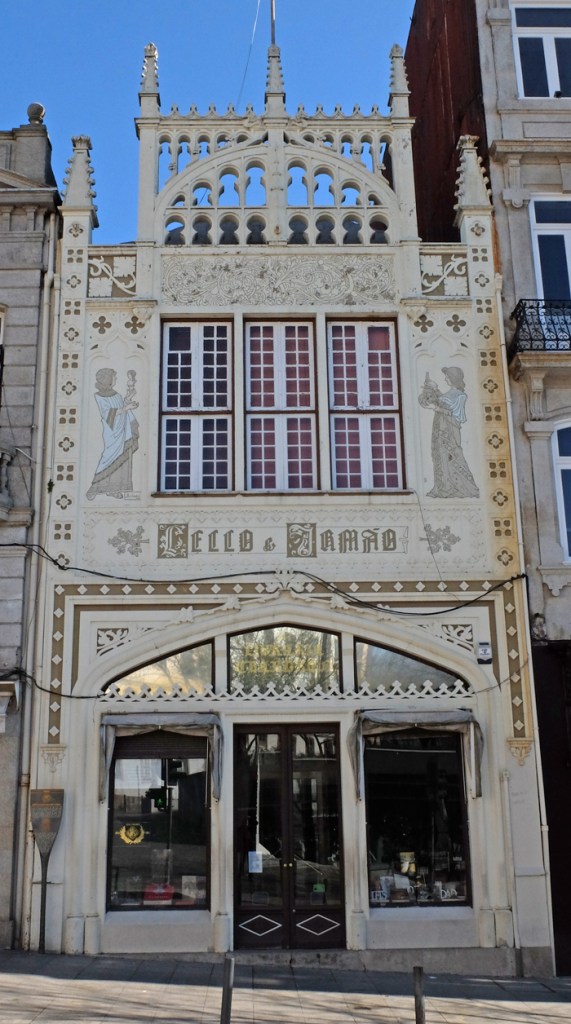
Lello & Irmão Bookstore.

Pc de Gomes Teixeira. Apartment out of shot on left.

Apartment above Primar patisserie. Sal pointing at favourite cake.
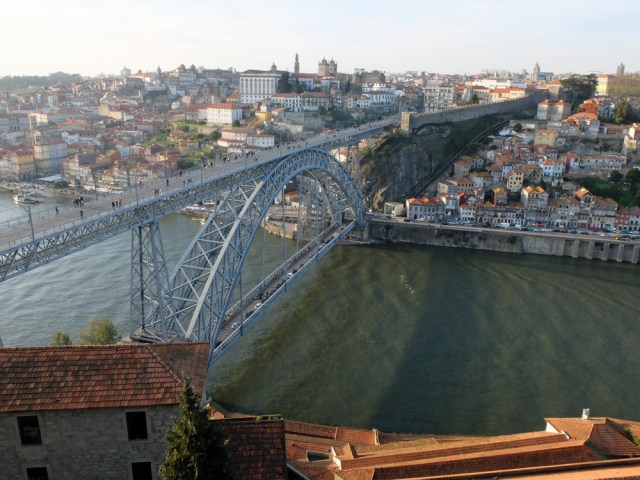
Luis I bridge from south.

Tuk-tuk taxis.

Street art/protection.

Serra do Pilar.
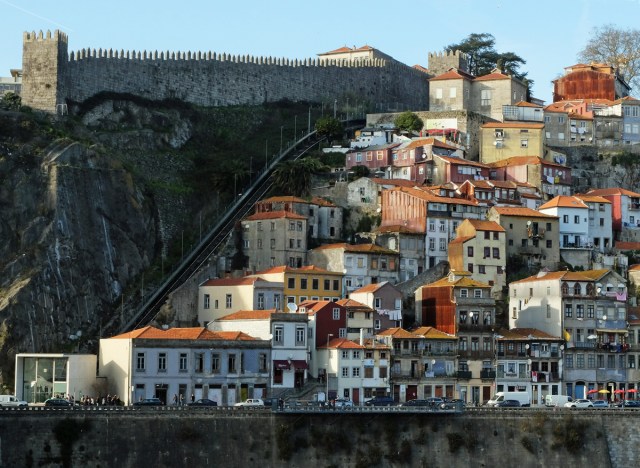
Old city wall, Porto.
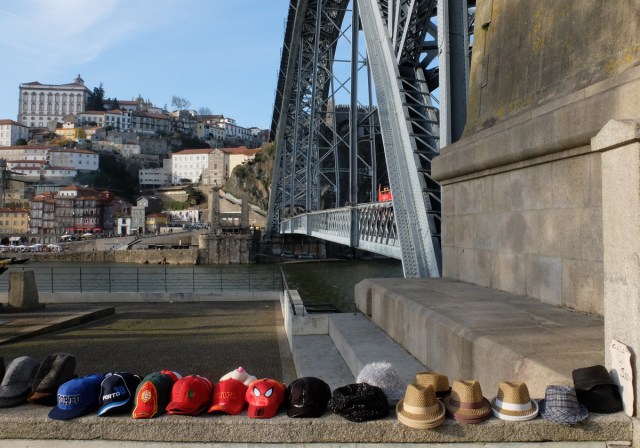
Luis I bridge, lower level.

Near the Parque Municipal das Virtudes.

Grafitti.








You must be logged in to post a comment.