
A new exhibition of work by Dame Elisabeth Frink.


Elizabeth Frink 1930 – 1993.
The Matthew is a replica of a caravel sailed by John Cabot in 1497 from Bristol to North America. It is having some New Year maintenance in the Bristol Underfall Yard (which is worth a visit at any time).


Boxing Day was a stunner! Blue skies and unseasonally warm. We fancied a walk so went to Swansea in south-west Wales (now part of The Swansea Bay City Region) where we walked from the east of the city, westwards along the coast to The Mumbles. About 14 miles there and back. Swansea has been extensively modernised in recent years, and looks like a great place to live. Whether an economy can be sustained by rising property prices and relentless retail parks, rather than the “old” industries, remains to be seen. The rest of the UK has thought so ever since the ‘eighties, why shouldn’t Swansea join in?

The Norwegian seamen’s church, Swansea.
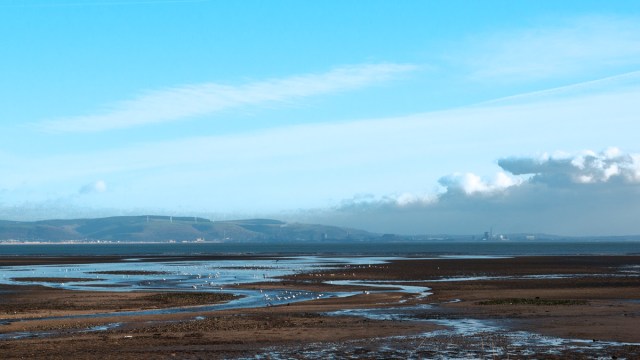
Swansea Bay.
The town of Stroud in Gloucestershire (recently voted the “hippest” place in England outside Montpellier in Bristol) is always worth a visit, particularly on Saturdays when the market is held. Lots of choice of local food (and drink). It was impossible to listen to these heavily-disguised buskers without smiling.

Two recent musical evenings: one at the local monthly jazz club to see an excellent gypsy-style Django Reinhardt/Stephane Grappelli band, Swing from Paris; then, as a lifelong Dave Brubeck fan I couldn’t miss his son, Darius’s, quartet playing in Saint George’s Hall in Bristol. I was pleased that Darius, while including some of his father’s famous quartet’s songs (specifically Paul Desmond ‘s Take Five) also played many of his own compositions and some African-inspired music.


Ownership of images is acknowledged.
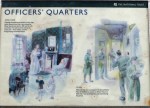
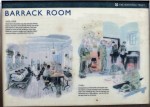
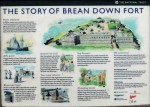
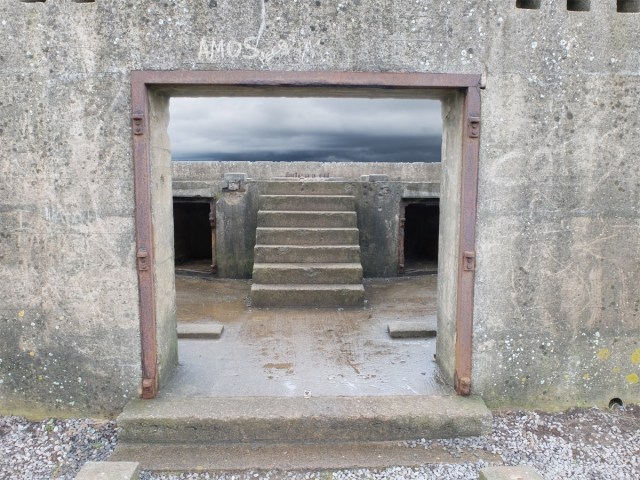
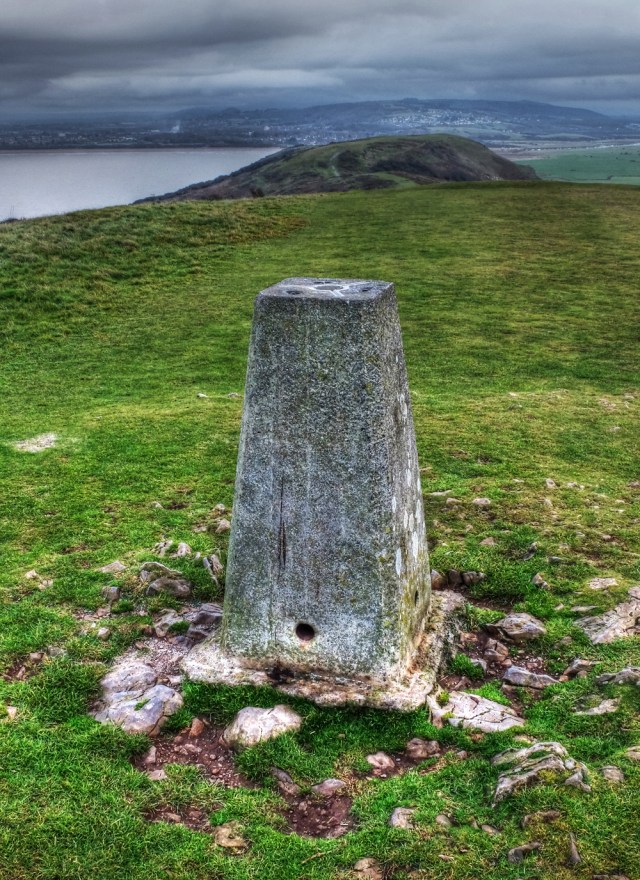
South of Weston-super-Mare, I’ve photographed this western end of the Mendip Hills before, but it’s always worth the climb from sea level, if only for the atmospheric abandoned 19th-century fort, jutting into the Bristol Channel (now documented on info. boards, below, by the National Trust). The cafe by the beach does good pasties, and this was the first time we noticed the poem by the splendid John Cooper Clarke (not a local boy, surely?) on the wall.





Nation’s Ode to the Coast – Dr. John Cooper Clarke
A big fat sky and a thousand shrieks
The tide arrives and the timber creaks
A world away from the working week
Où est la vie nautique?
That’s where the sea comes in…
Dishevelled shells and shovelled sands,
Architecture all unplanned
A spade ‘n’ bucket wonderland
A golden space, a Frisbee and
The kids and dogs can run and run
And not run in to anyone
Way out! Real gone!
That’s where the sea comes in…
Impervious to human speech, idle time and tidal reach
Some memories you can’t impeach
That’s where the sea comes in
A nice cuppa splosh and a round of toast
A cursory glance at the morning post
A pointless walk along the coast
That’s what floats my boat the most
That’s where the sea comes in…
Now, voyager – once resigned
Go forth to seek and find
The hazy days you left behind
Right there in the back of your mind
Where lucid dreams begin
With rolling dunes and rattling shale
The shoreline then a swollen sail
Picked out by a shimmering halo
That’s where the sea comes in…
Could this be luck by chance?
Eternity in a second glance
A universe beyond romance
That’s where the sea comes in…
Yeah, that’s where the sea comes in…
These “whales” were last seen at the Bristol Harbour Festival, 2015. They are now further down the River Avon at a new Avon Wildlife Reserve site, alongside the Portway.




You must be logged in to post a comment.