Offa’s Dyke, Kington to Knighton

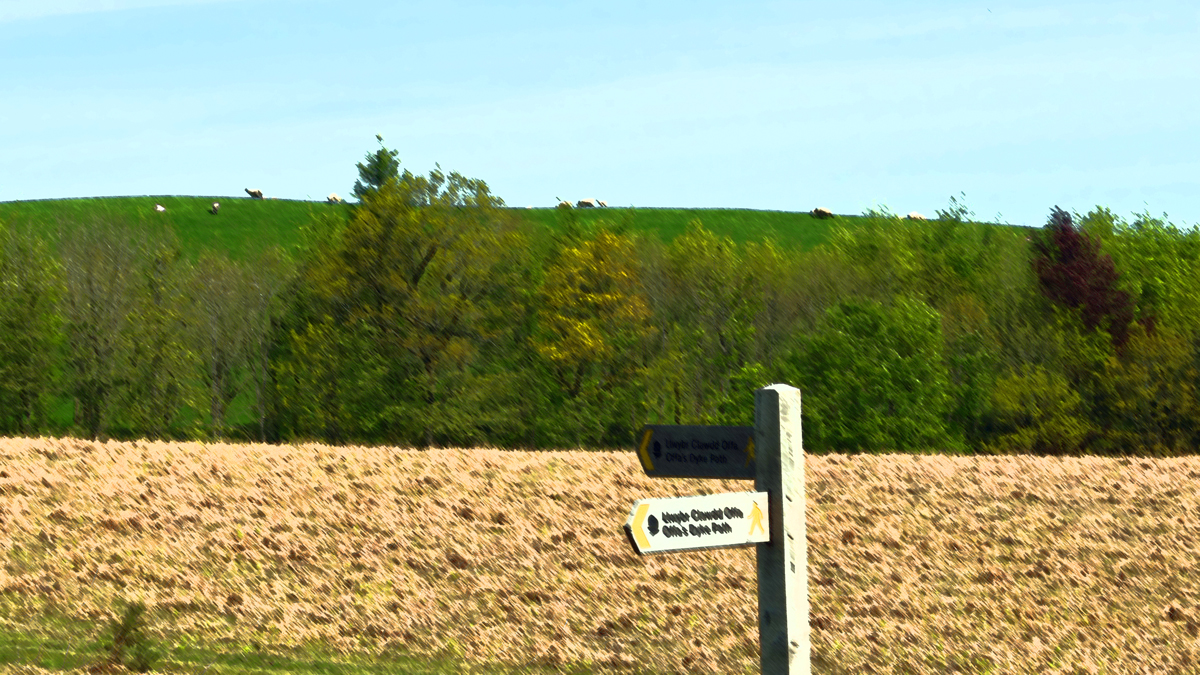
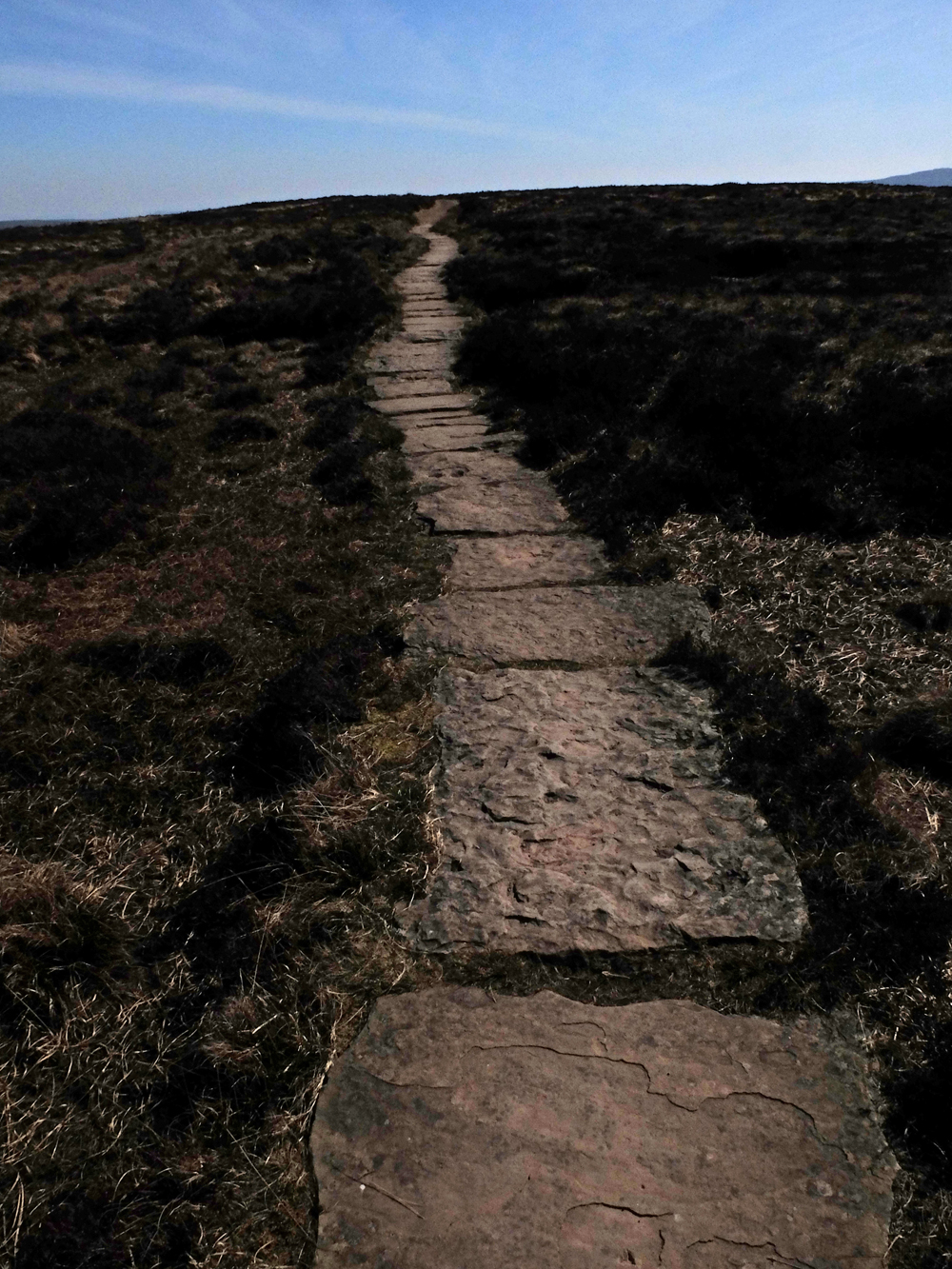
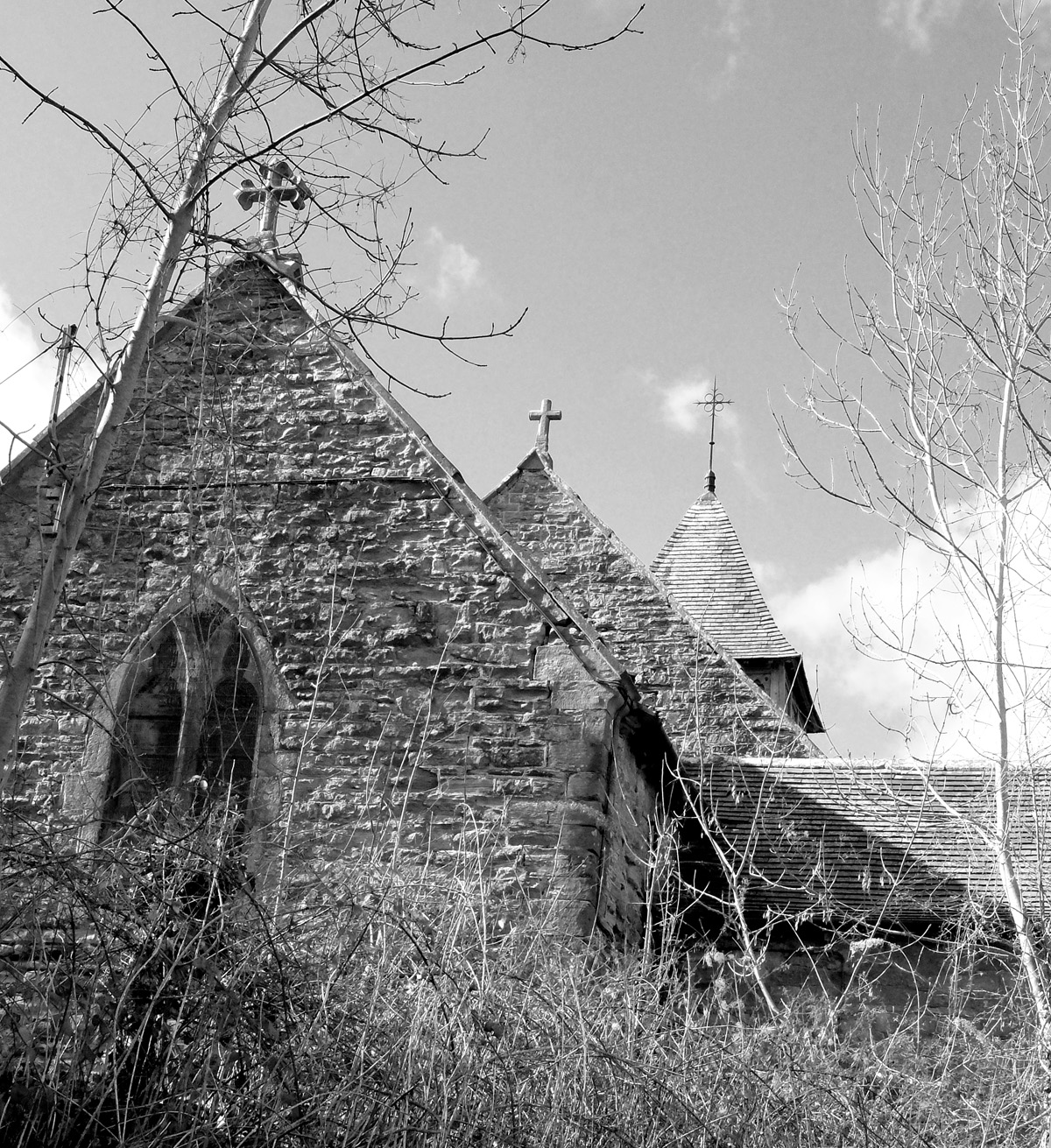
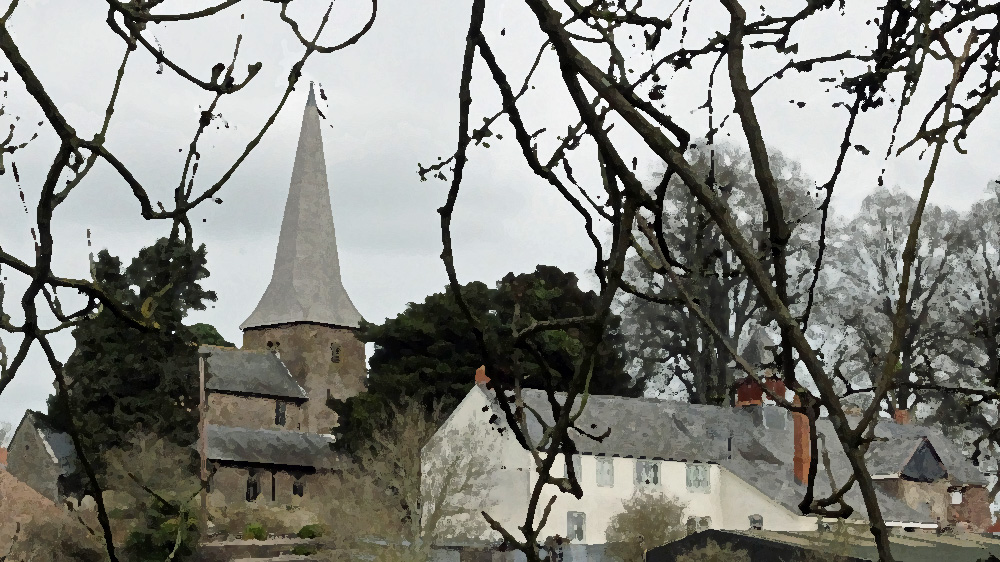
“As well as superb views from the remote hills this stage is notable for long stretches of well-preserved Dyke before the Trail enters its ‘spiritual home’ – Knighton (Tref-y-Clawdd, meaning the town on the dyke).
On leaving Kington the Trail passes over Brandor Hill and its golf course, the highest in England. Soon after, on Rushock Hill, the Trail meets up with Offa’s Dyke again, which it parted company with 56 miles ago after leaving Lower Redbrook in the Wye Valley. From this point to Chirk Castle the Trail and Offa’s Dyke keep each other company for most of the journey. The Trail soon passes over the border again from Herefordshire into Powys, the county with the longest section of the route.
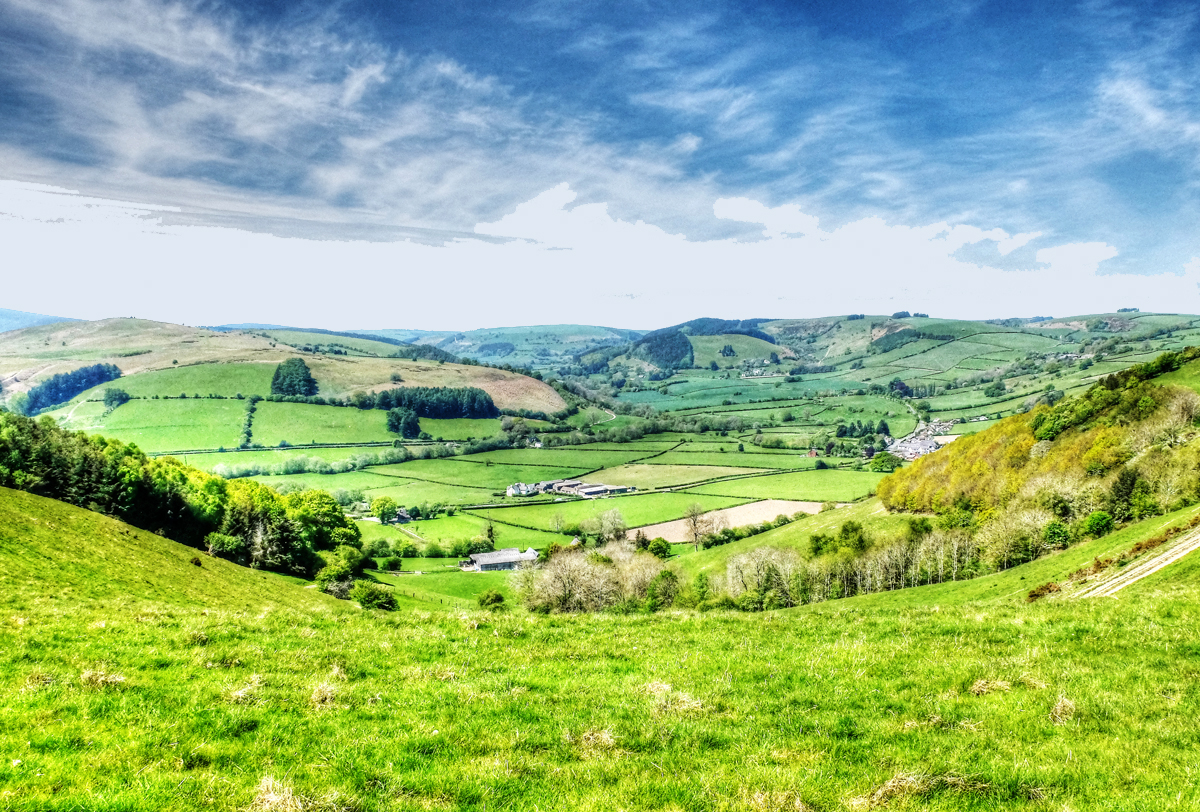
On route to Knighton the Trail passes through the Woodland Trust owned site of Granner Wood, which through careful management is being restored to broadleaf woodland. The Trail soon drops down to the River Lugg at Dolley Old Bridge with its many meanders. On the bridge watch dippers and a glimpse of kingfishers if you are lucky. The next climb brings you up to Furrow and Hawthorn Hill. From here there are stunning views westwards into Radnorshire. One of Owain Glyndwr’s famous battle sites can also be seen from here where he fought the English at the Battle of Pilleth, with the square clump of trees that mark the burial site of the soldiers. The final decent brings you down into Knighton and almost the half way point on your journey and the home of the Offa’s Dyke Centre.”www.nationaltrail.co.uk].

So far, this is the only section we’ve done “backwards”, that is, we caught a bus from Kington to Knighton and walked back.
Posted in blog entries | Leave a comment

Offa’s Dyke, Hay on Wye to Kington

This section starts off alongside the Wye, last seen at Monmouth, before passing through the rolling territory of the Powys – Herefordshire border. This area is well known for the diaries written by the Victorian country curate Francis Kilvert who wrote about life in the rural parishes with his observations on country life. As a finale to the stage the Trail rises to over 400 metres on Hergest Ridge with dramatic 360 degree views. On a clear day Pen y Fan can be seen to the south, the Malverns to the east and the hills of Shropshire to the north. The summit of Hergest Ridge has an old racecourse which is exactly a mile around. This area was also the inspiration for Arthur Conan Doyle’s Hound of the Baskervilles and Mike Oldfield’s second album Hergest Ridge. The day finishes in the border market town of Kington, a very important livestock town being on the drovers route. http://www.nationaltrail.co.uk]

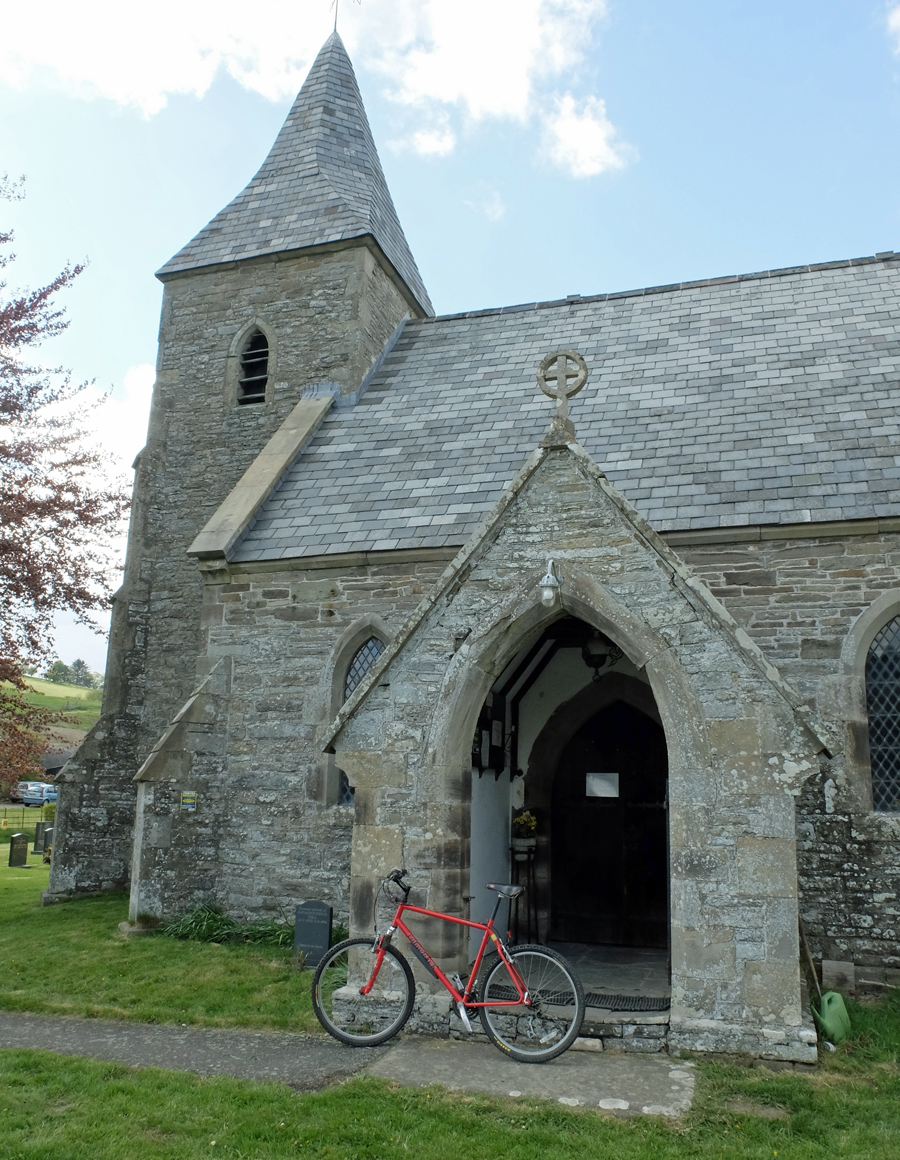
For logistical reasons I had to leave my bike at a small village called Newchurch. I couldn’t see anywhere to leave it so went into St Mary’s church, where the vicar insisted that I prop it up against a pew, and have a cup of tea. And some cake. It was, of course, still there on our return a few hours later.

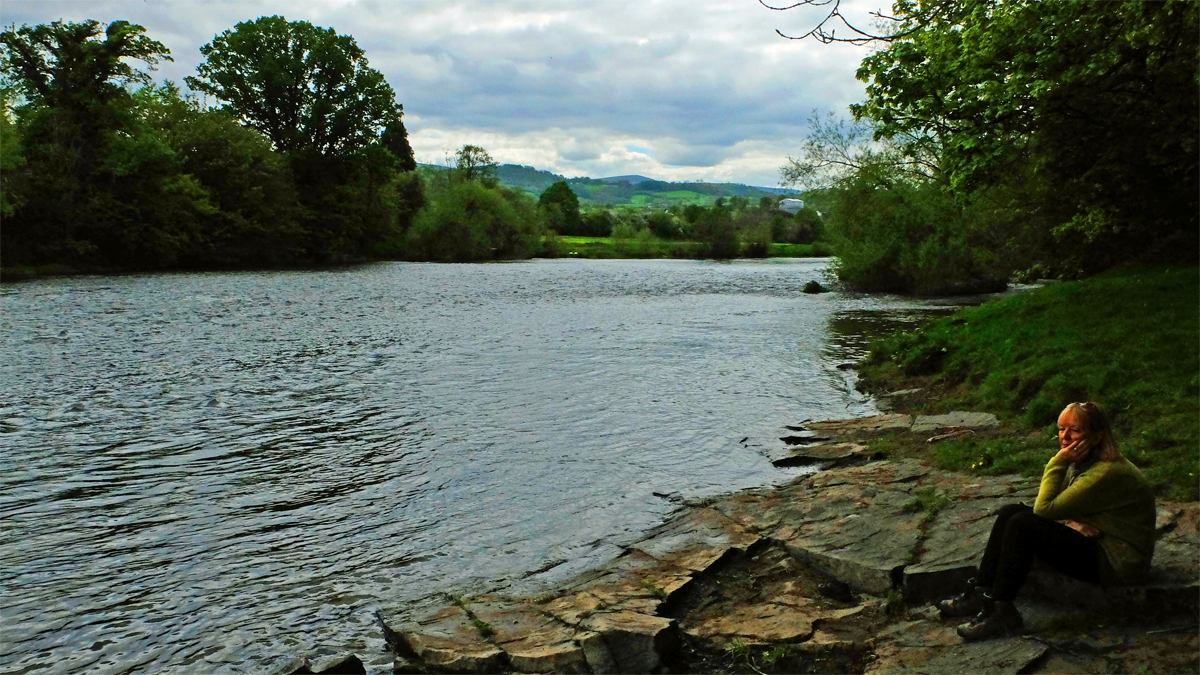
At the side of The Wye outside Hay
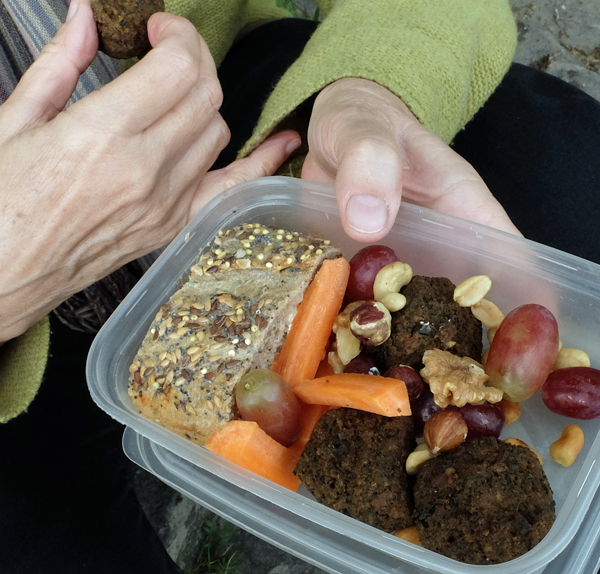
Healthy lunch
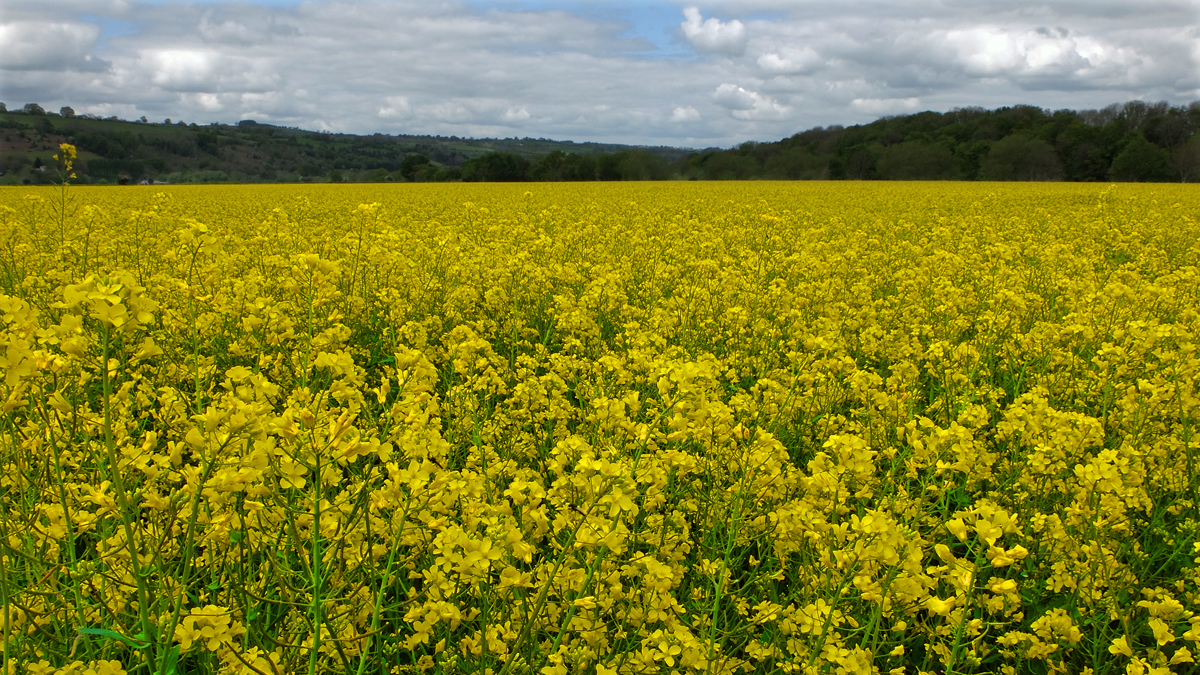
Oilseed rape field
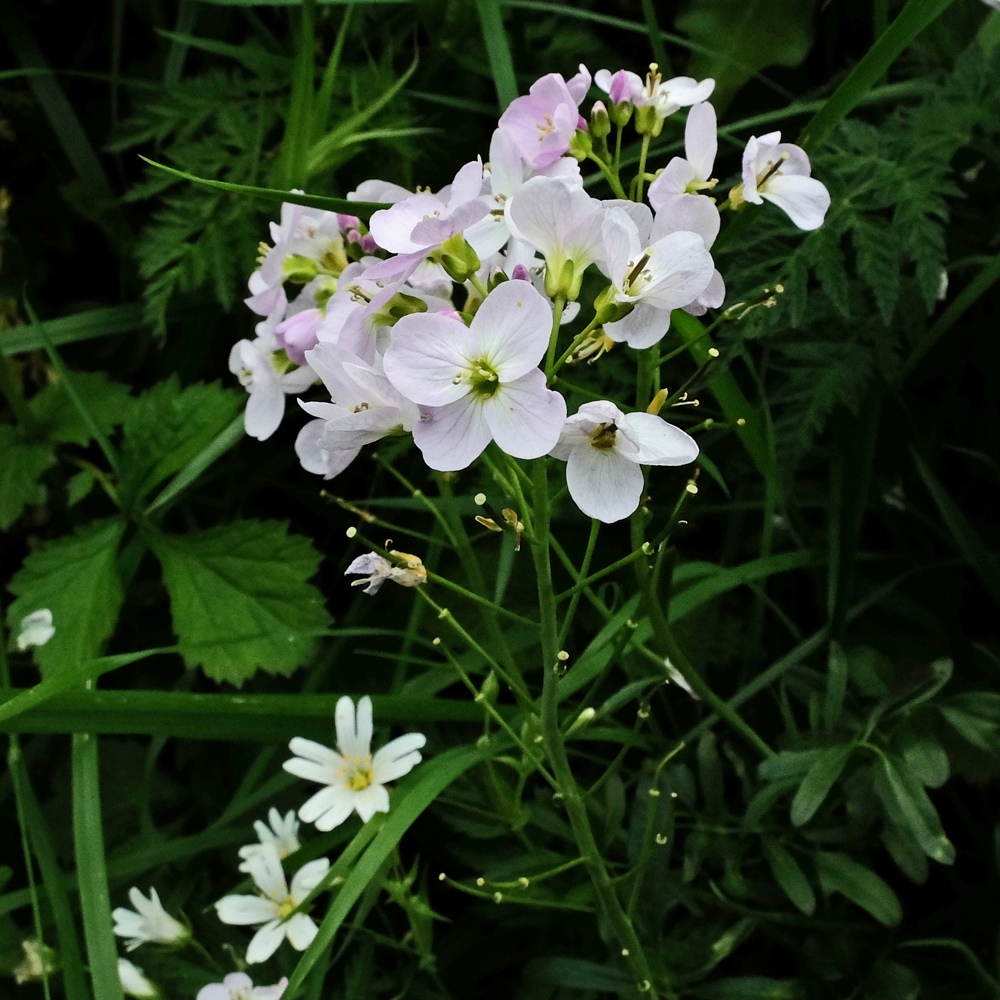
Ladies’ Smock and Stitchwort
Male Orange Tip butterfly
St Mary’s church, Newchurch, and the bike
Leaving Newchurch
Approaching Kington
Posted in blog entries | Leave a comment

Paradise Bottom

Lucy with stick in a field of wild garlic in the exotically-named Paradise Bottom, Leigh Woods, SW of Bristol.

Posted in blog entries | Leave a comment

Offa’s Dyke, Pandy to Hay on Wye

“A steady climb from Pandy brings you to the first dramatic upland section of the Trail in the Black Mountains and the highest point of the route at 2300 ft (700m). This section straddling the national border on the Hatterall Ridge lies within the Brecon Beacons National Park. Once the summit has been reached the Trail follows a well-defined and improved ridge walk for about 11 miles to Hay Bluff, with stunning views to either side. You have the Vale of Ewyas to one side and the Olchon Valley to the other with distant views of the Skirrid, Sugar Loaf and much more from different points along the ridge. Many walkers break the journey across the ridge with an overnight stay at either Llanthony Priory with its 11th century Augustinian Priory or, on the other side of the ridge, Longtown with its 12th century Norman motte-and-bailey fortification. The whole of this upland section is designated as a Site of Special Scientific Interest with various management regimes in place to improve its condition. The final descent brings you into Hay on Wye, famed for its numerous bookshops, the town also has the ruins of two Norman castles. www.nationaltrail.co.uk]

For time/location/access reasons we had to do this section in two stages. The first was from Pandy to Llantony Priory.

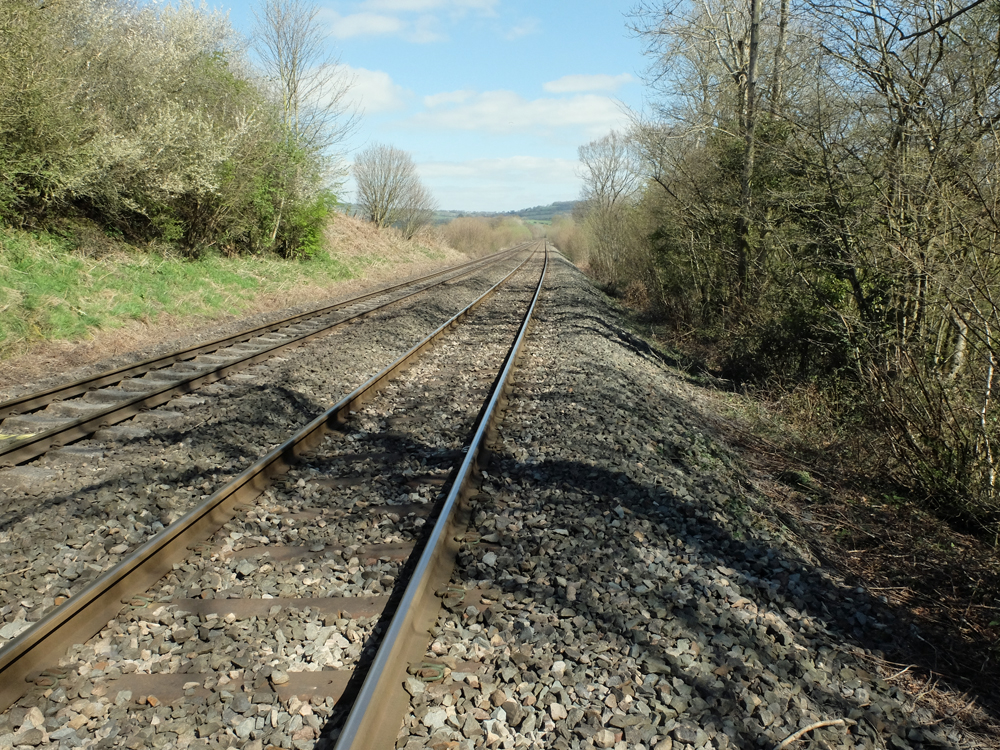
Railway near Pandy.
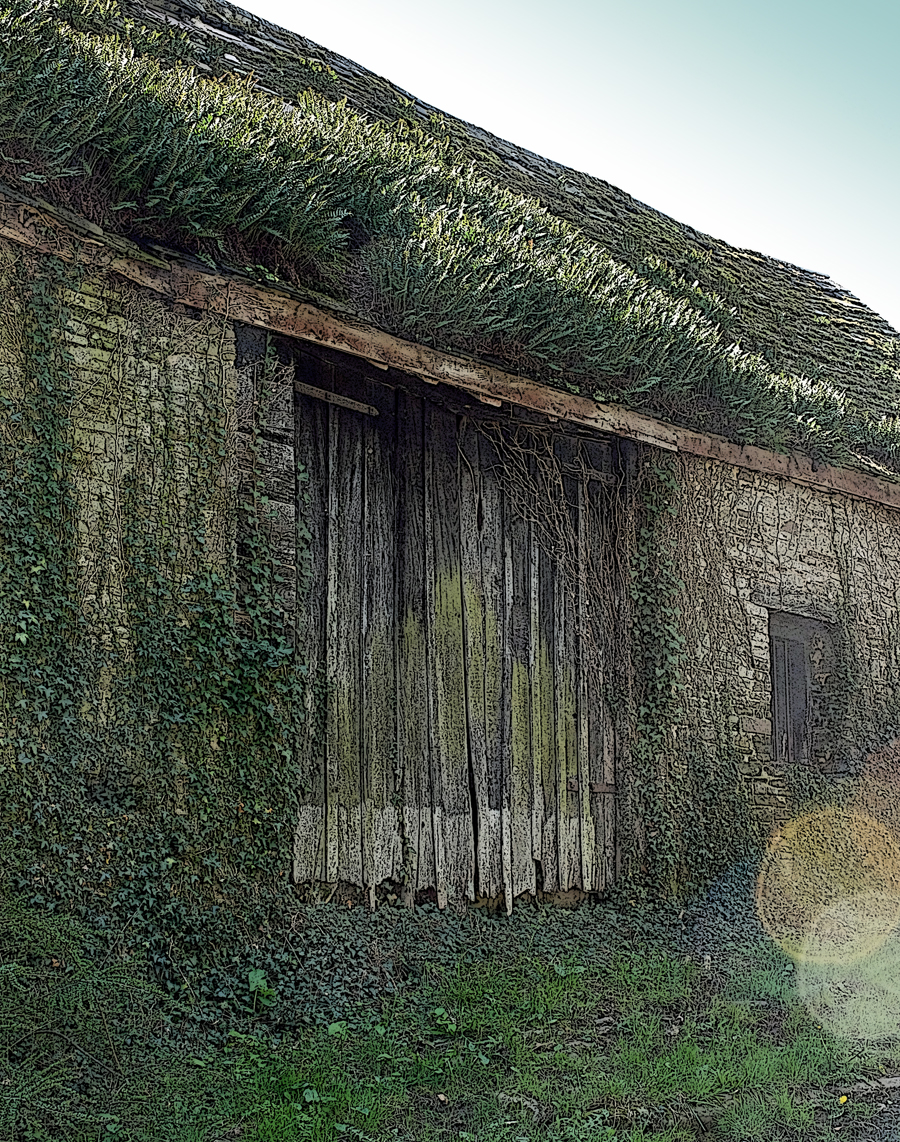
Barn near Pandy.
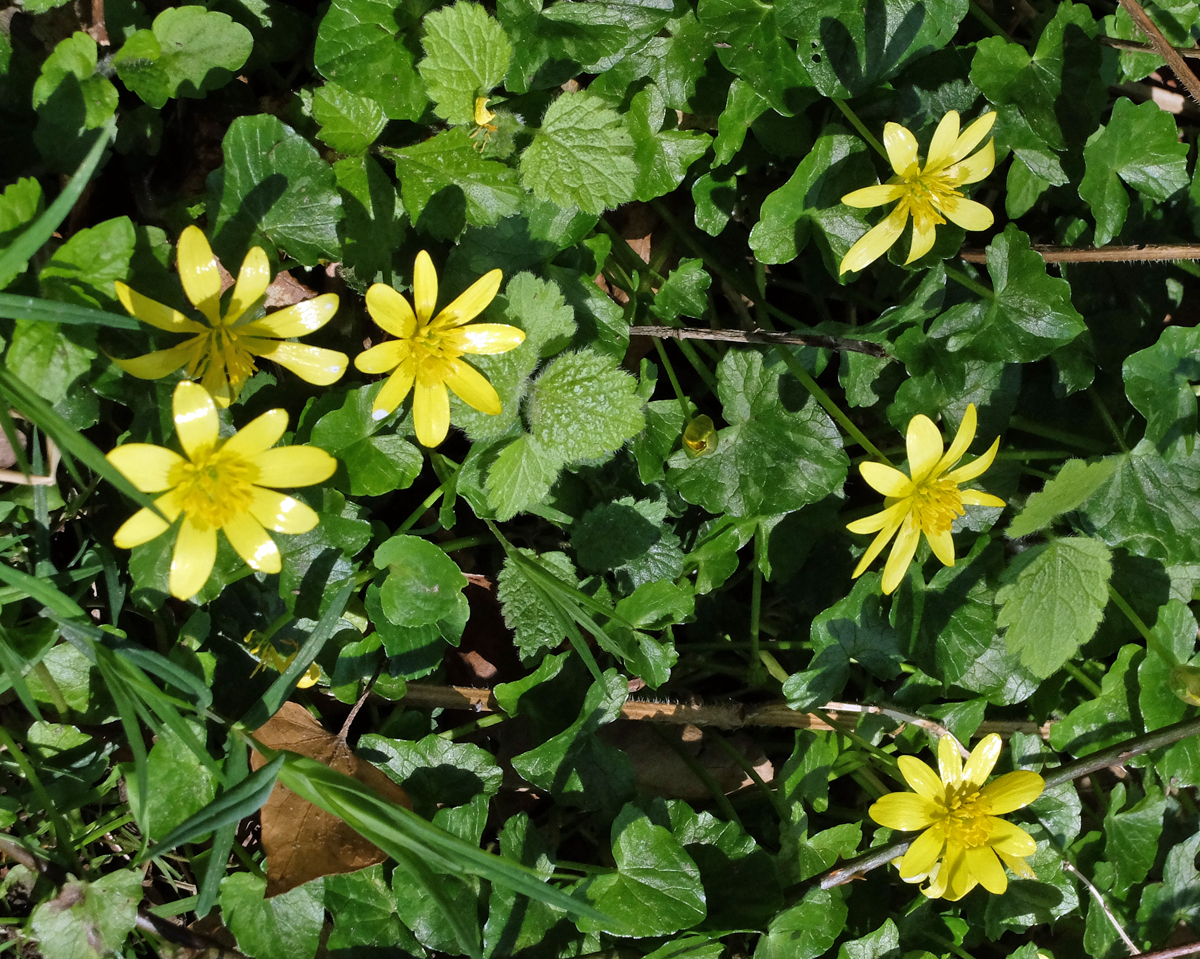
Cellandine
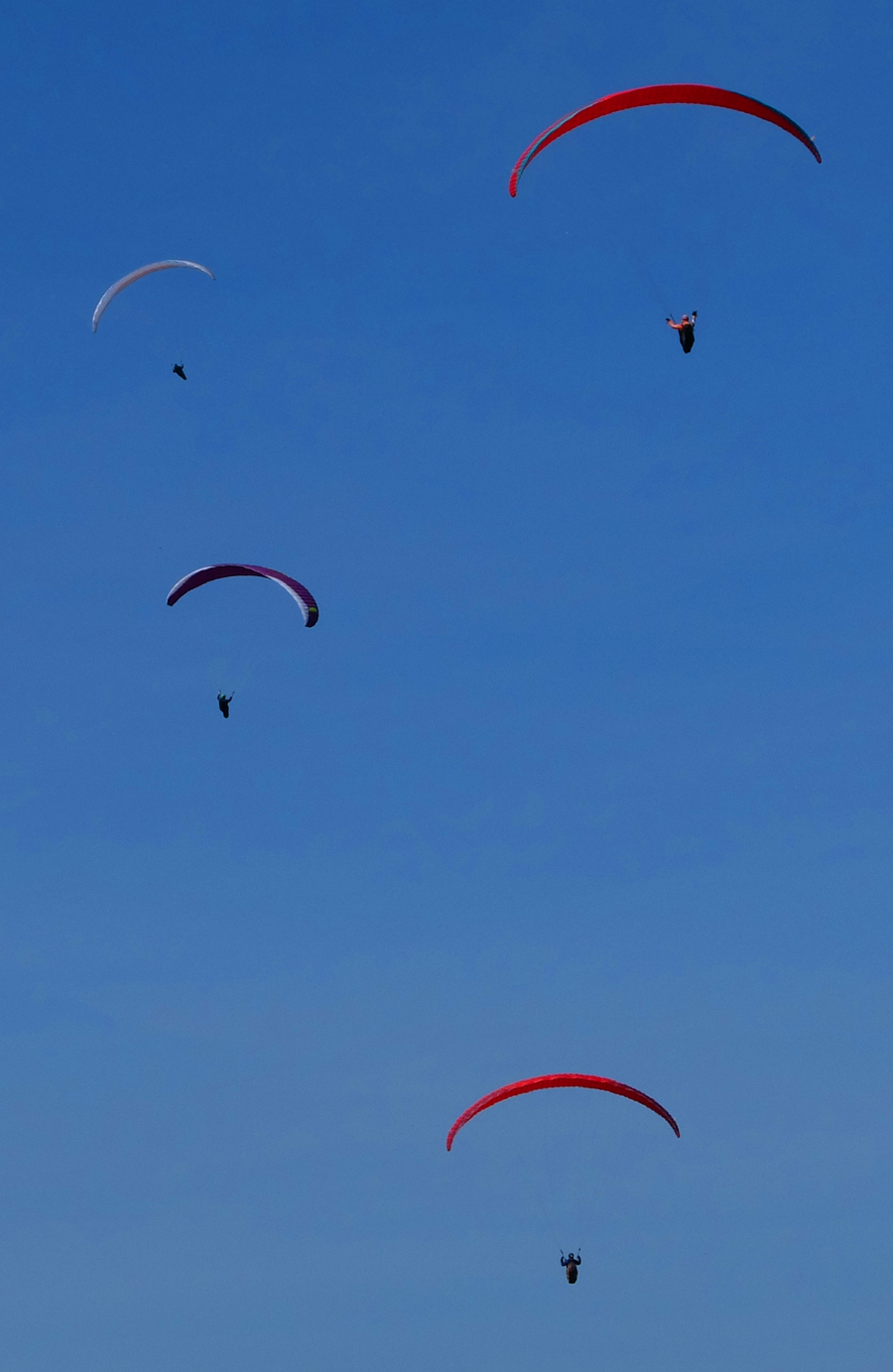
Hang glider on Hatterrall Hill.
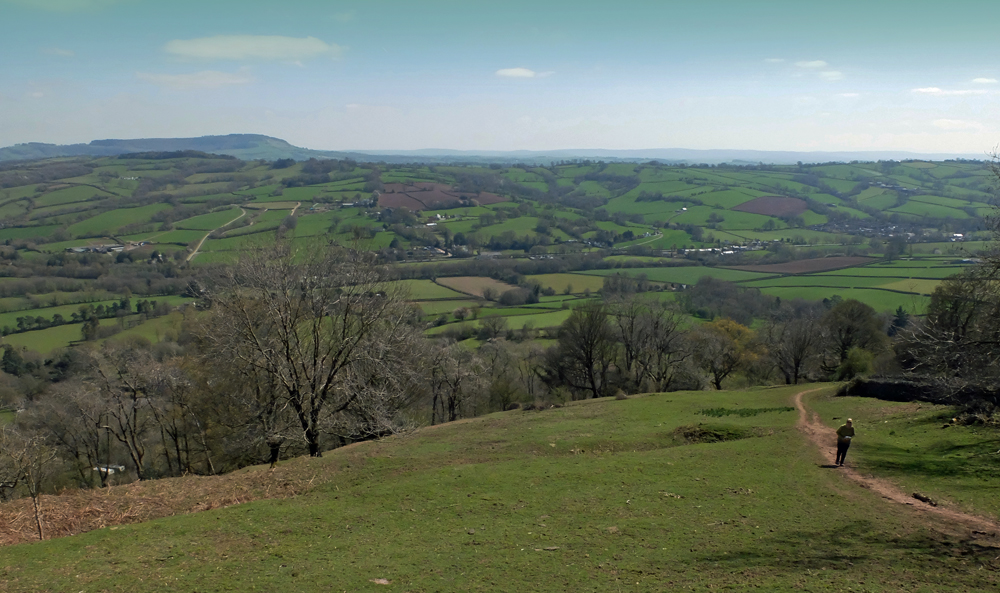
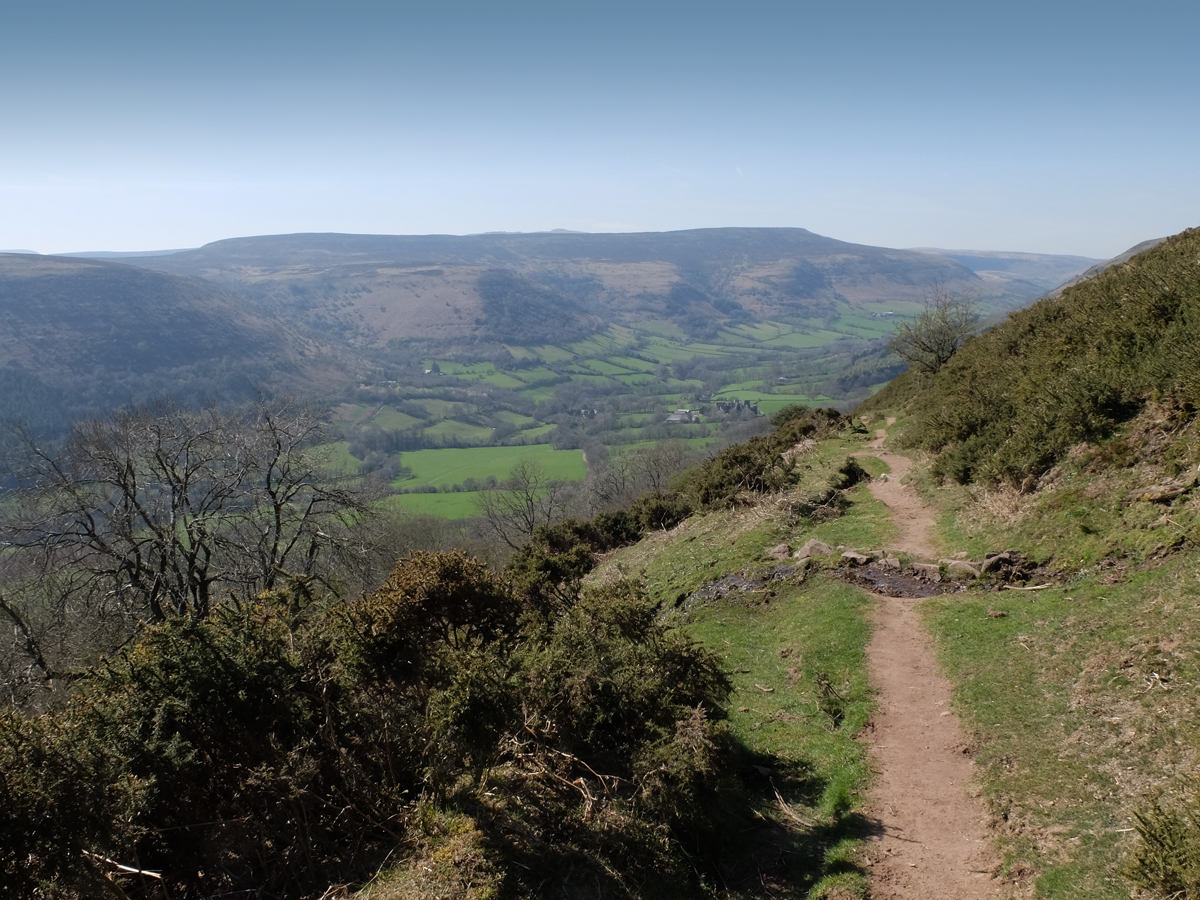
From Hatterrall Hill.
Selfie on the Brecon Beacons.
The Brecon Beacons.
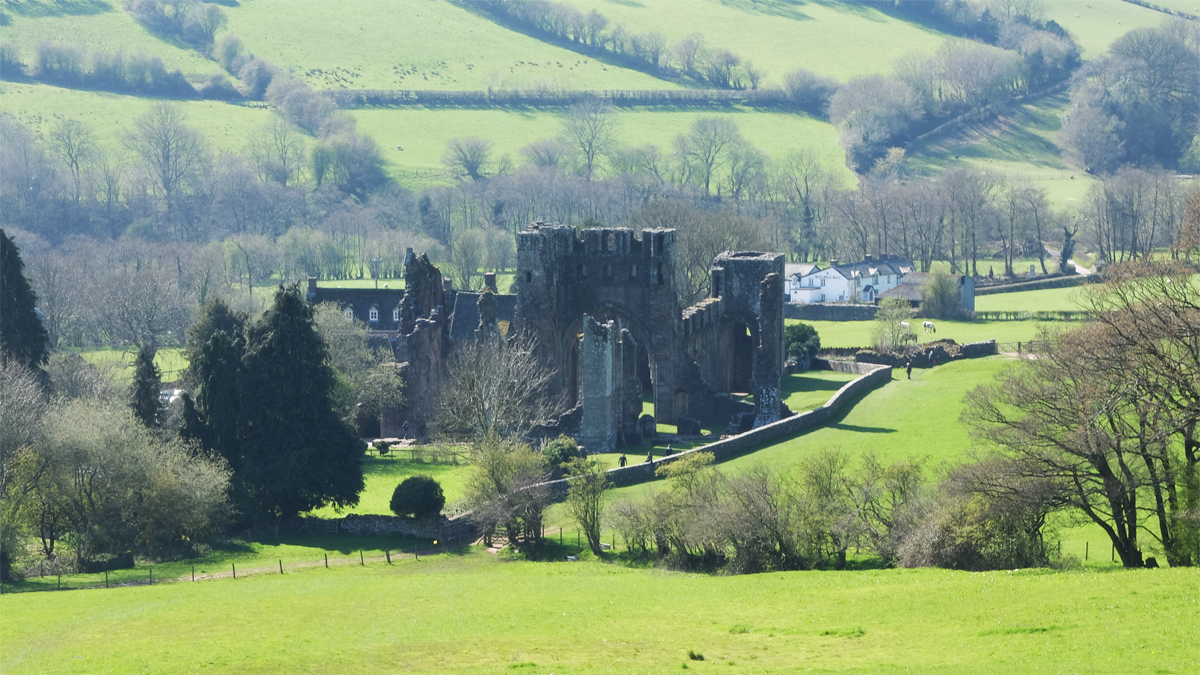
Descending from Offa’s Dyke to Llantony priory.
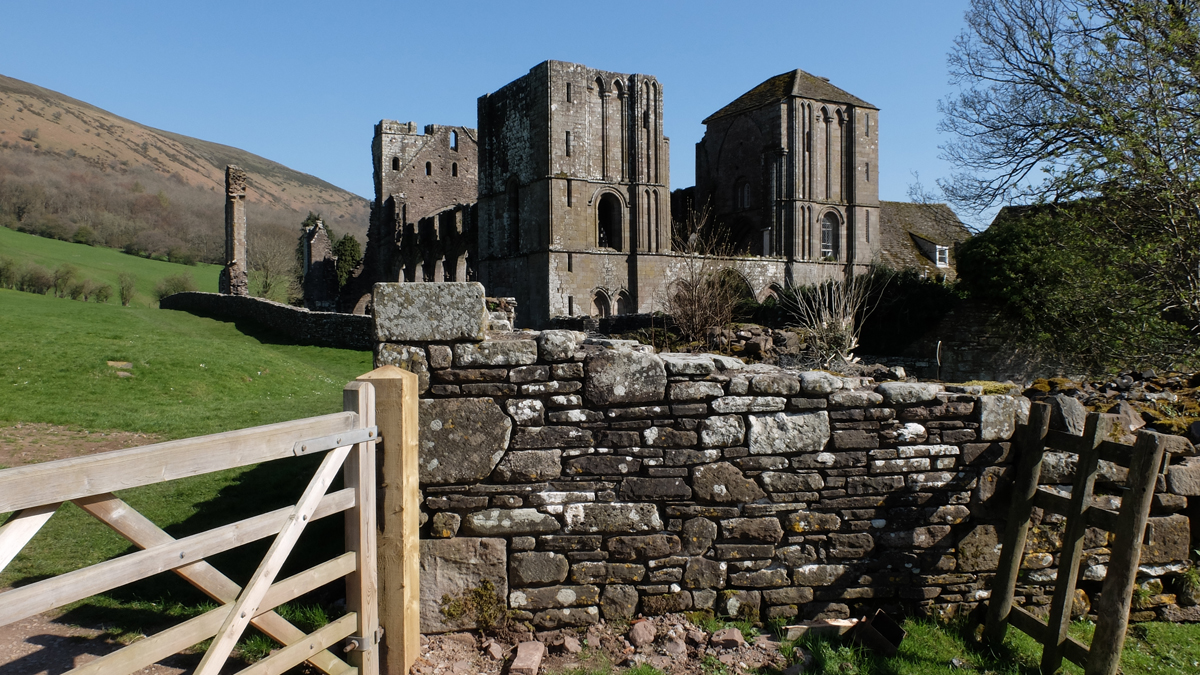
Llantony priory.
End of the road for today (apart from mountain-biking back to Pandy to collect the camper van).

The second, twelve mile, section of this stretch started with quite a steep climb from the priory back up to Offa’s Dyke path. Fantastic views for miles across the Brecon Beacons.

Climbing up to the Dyke path from Llantony.
More gliders!
Some parts of the path were quite boggy and these stone slabs have been used to mark a safe, and dry, path.
“Trig point” Now superceded, for mapping and surveying purposes, by satellite, but a good point to stop and look at the view..
Lucy rounding Hay Bluff at Ffynnon Beacon, prior to starting long descent to Hay on Wye.
Final couple of miles to Hay and a fish and chip supper!
Posted in blog entries | Leave a comment

Mothers’ Day

A walk with Miles and Flo (and Lucy) around Burrington on the edge of the Mendips, ending with lunch at The Plume of Feathers in Rickford and watching the geese on the lake. Nice day.

Posted in blog entries | Leave a comment

Offa’s Dyke, Monmouth to Pandy

“This section crosses the gently undulating and very peaceful farmland of Monmouthshire. Leaving behind the River Wye you are now joined by its tributaries, the rivers Monnow and Trothy. This area is mainly sheep country but on route you will also pass through orchards, now mainly supplying apples to the cider industry. The Dyke itself is nowhere to found along this section of the Trail but the area has a rich medieval history with ruined castles and abbey sites. The Trail passes right alongside White Castle, well worth a visit if you have an hour to spare, a Norman castle originally probably built by William Fitz Osbern and then greatly improved in the 13th century by Hubert de Burgh. White Castle is one of 3 castles in the area, the others being Grosmont and Skenfrith, all three linked by the 16 mile Three Castles Walk.
The Trail also passes through the site of Abbey Grace Dieu. Founded in 1248 it was the last Cistercian house in Wales, nothing remains now except for a few grassy undulations. The route passes through the small villages of Llanfihangel Ystum Llywern, Llantilio Crosseny, White Castle and Llangattock Lingoed, all with churches that are well worth a brief visit. On the approach to Pandy there are great views of the Black Mountains including Hatterrall Ridge over which the next part of the Trail passes and Skirrid, sometimes known as Holy Mountain.” [https://www.nationaltrail.co.uk/offas-dyke-path/routes].

Monmouth
Monmouth
Gate tower on Monnow bridge, Monmouth
Church of St Michael and All Angels, Llanvihangel-Ystern-Llewern
White Castle
White Castle
White Castle
St Cadoc’s Church, Llangattock Lingoed
The Hunter’s Moon Inn, Llangattock Lingoed.
Near Pandy.
Posted in blog entries | Tagged | Leave a comment

Offa’s Dyke, Chepstow to Monmouth

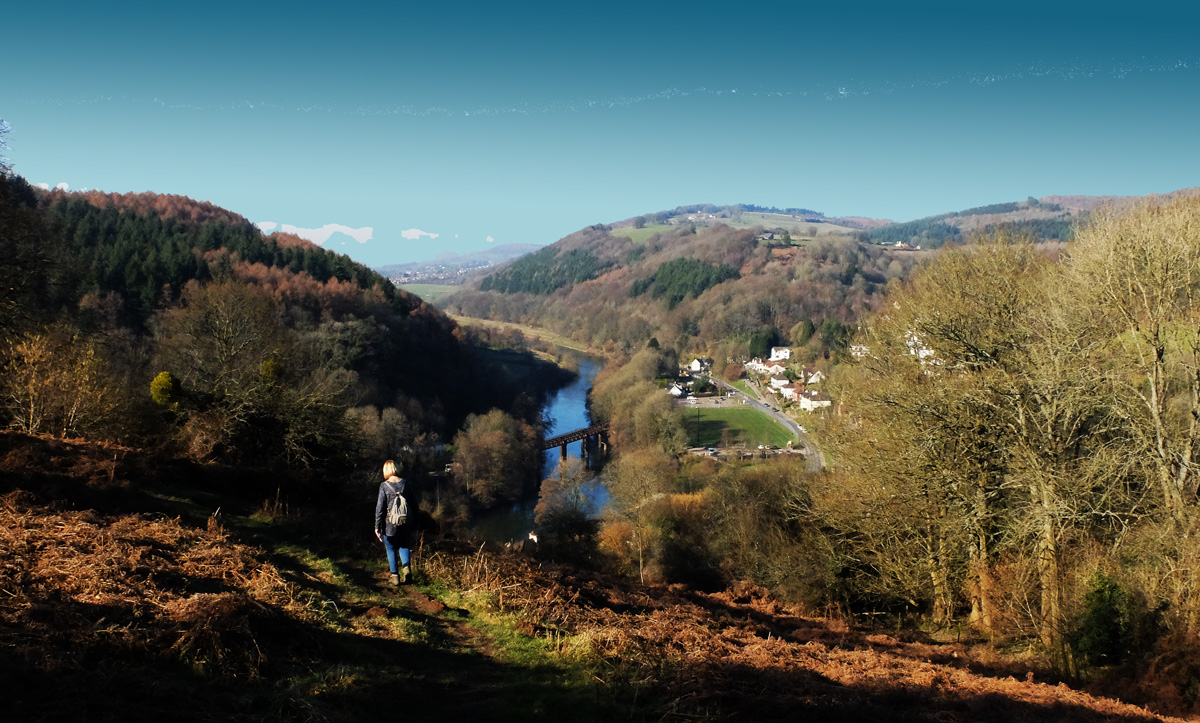
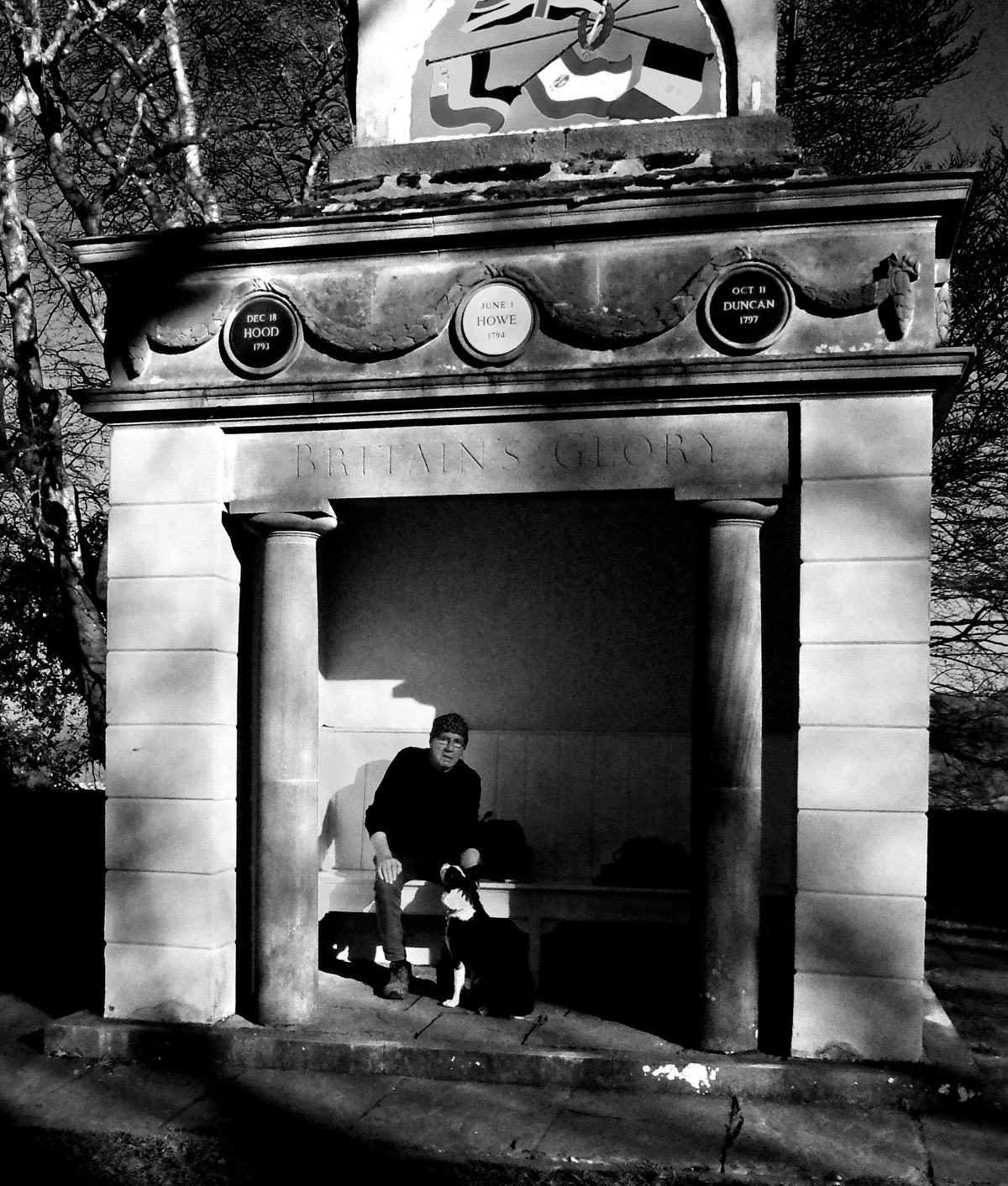
Offa’s Dyke Path starts in England overlooking the Severn estuary which is designated as a Maritime Natural Area. The estuary has the second highest tidal range in the world caused by the 5 rivers that feed the estuary and its funnel shape. The Dyke itself is first met at the very start of the Trail, close to Sedbury Cliff. The Trail passes to the east of Chepstow with views of Chepstow Castle, the oldest surviving post Roman fortification in Britain. From here the Trail continues its journey north on the eastern side of the River Wye high on the tree lined escarpment with a number of classic viewpoints, one of the most iconic being the view of Tintern Abbey from Devil’s Pulpit. The Trail makes its first of many journeys across the border into Wales at Redbrook and continues on to the viewpoint at The Kymin, with its 17th century banqueting hall and naval temple. This section of the Trail finishes in Monmouth, a Welsh border town situated at the confluence of the Rivers Wye, Monnow and Trothy and perhaps best known as the birthplace of Henry V. One of the town’s best known landmarks is the 13th century Monnow Bridge, the only remaining Medieval fortified bridge in Great Britain, which the Trail passes under. [https://www.nationaltrail.co.uk/offas-dyke-path/routes]

Making the most of some record-breaking weather at the end of February we were joined on some of the journey by our friends, F&P.

Posted in blog entries | Leave a comment

The Airbus Beluga XL

The super-transporter makes its first flight from Toulouse to Wales. Here over the Prince of Wales (“Second Severn Crossing”/M4) bridge.

Posted in blog entries | Leave a comment

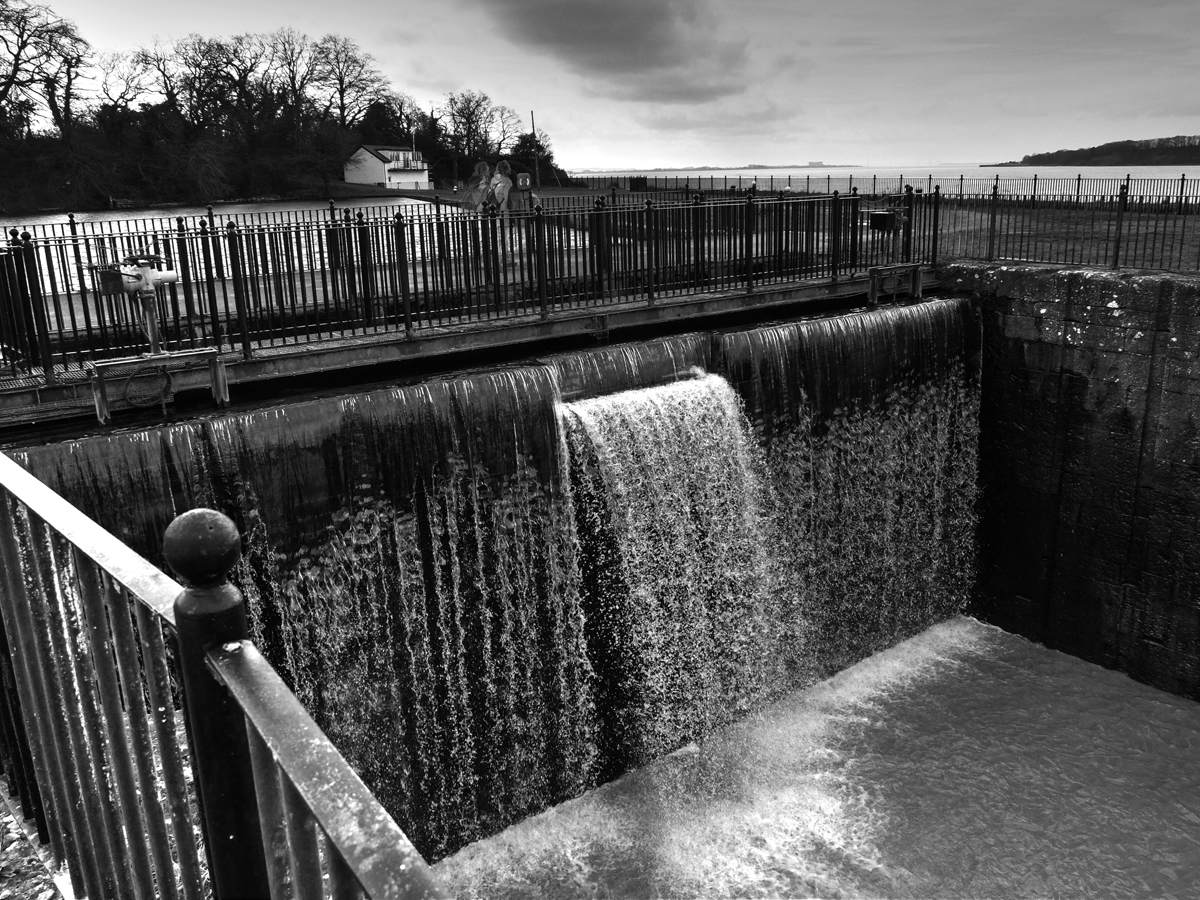
Sharpness


Posted in blog entries | Comments Off on Sharpness

Offa’s Dyke

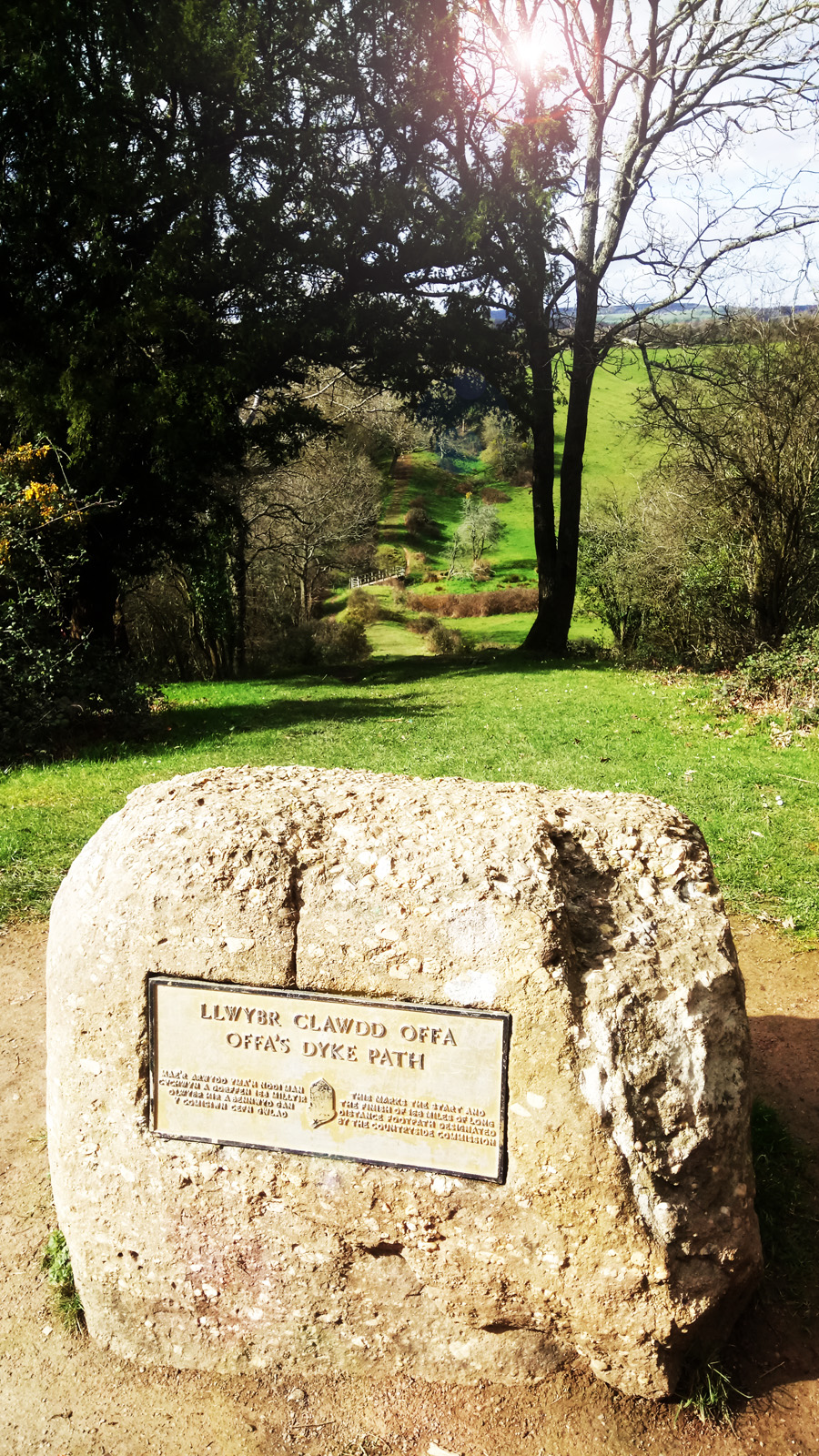
We’ve decided, probably rashly, to walk Offa’s Dyke Path this year. And, I expect, next year too. We’ve made a start, going all the way from the Severn Estuary at the mouth of the River Wye, just east of Chepstow, to, er, Chepstow. Only 175 miles to go!

Official start of Offa’s Dyke path.
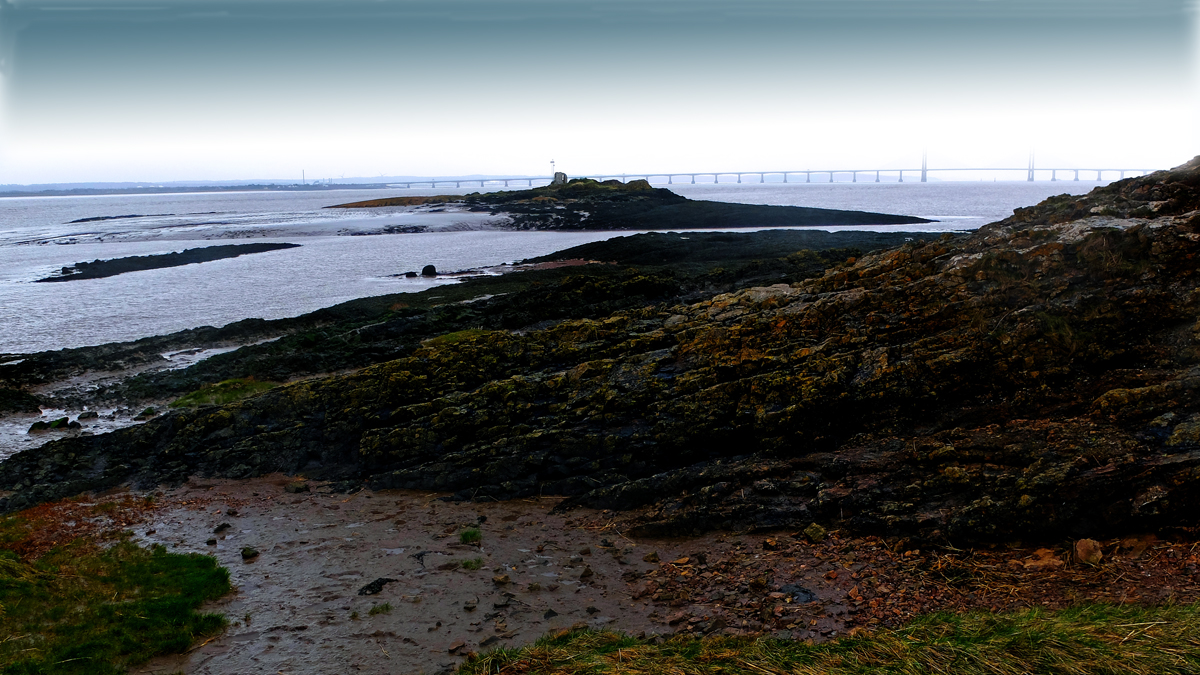
St Tecla’s Chapel, Beachley, Gloucestershire. Second Severn crossing – Prince of Wales Bridge – in the background.
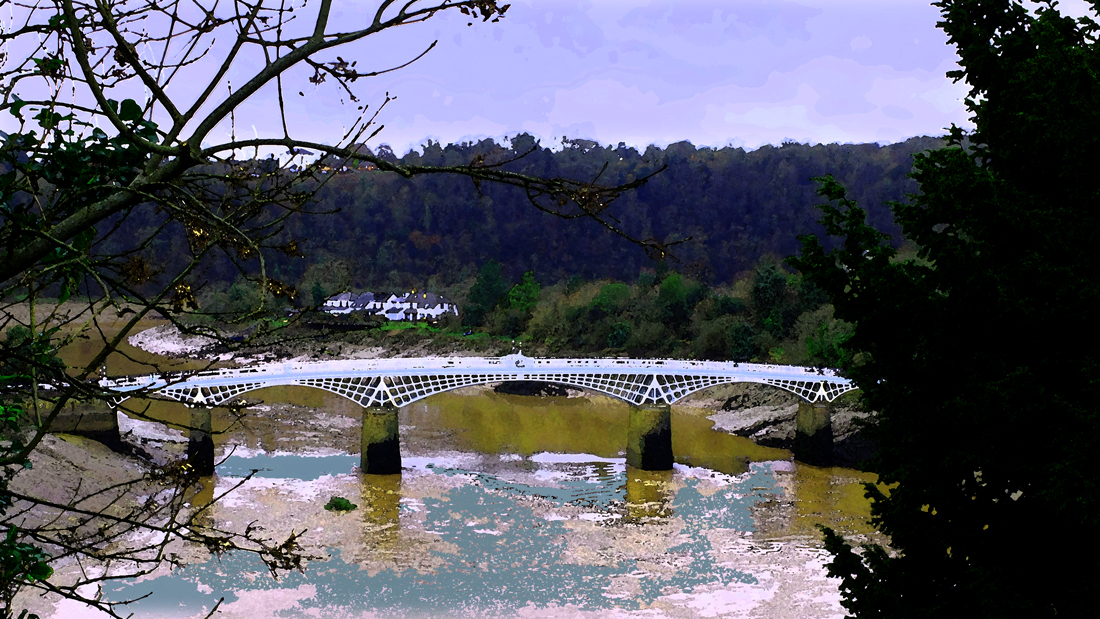
Old Wye Bridge, Chepstow.
Posted in blog entries | Leave a comment