
The 1901 Spritsail Barge, Gladys, returns from Portishead to Gloucester, via the Sharpness Canal, after sea trials following an upgrade.

The 1901 Spritsail Barge, Gladys, returns from Portishead to Gloucester, via the Sharpness Canal, after sea trials following an upgrade.


I never imagined that Severn Beach in South Gloucestershire was at the forefront of environmental activism, but someone has made birds out of ordinary plastic milk bottles to highlight the fact that a high proportion of birds have plastic in their digestive system. Not sure what type of bird these are, maybe a white tern or an egret? Or perhaps a dove, the symbol of peace. That would make sense.


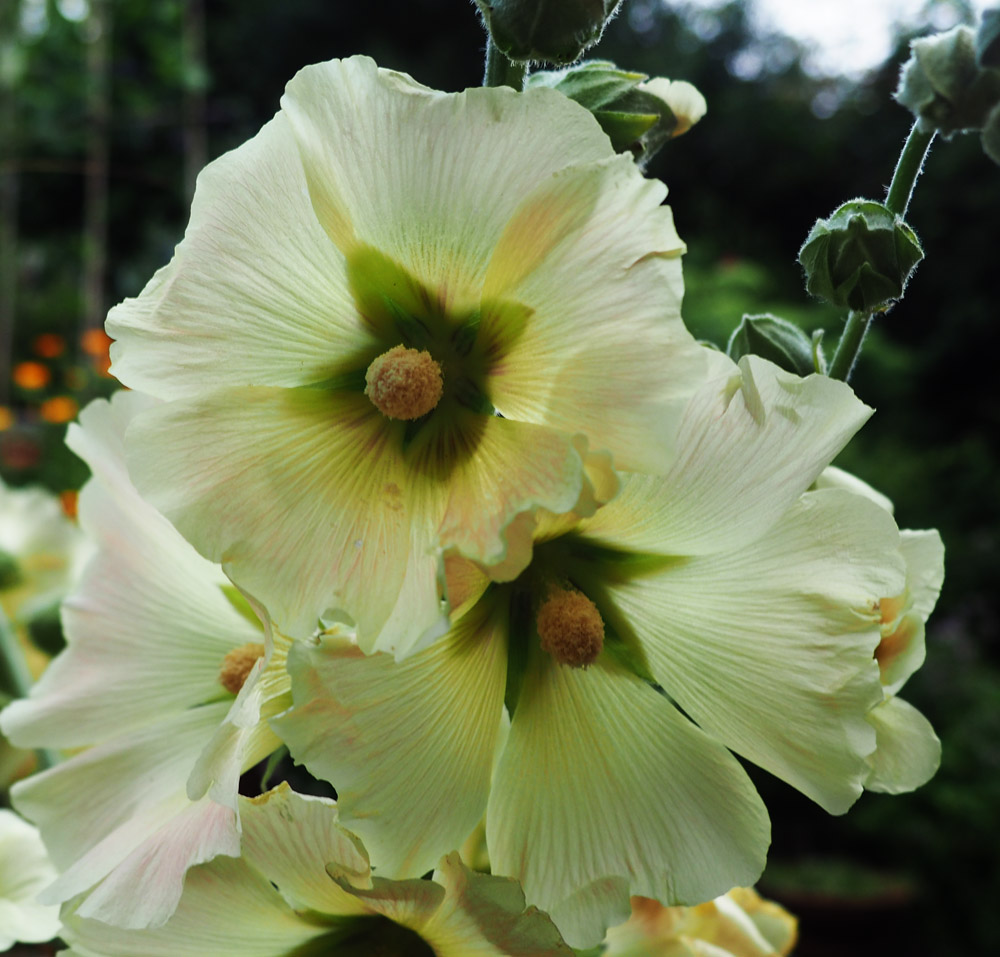
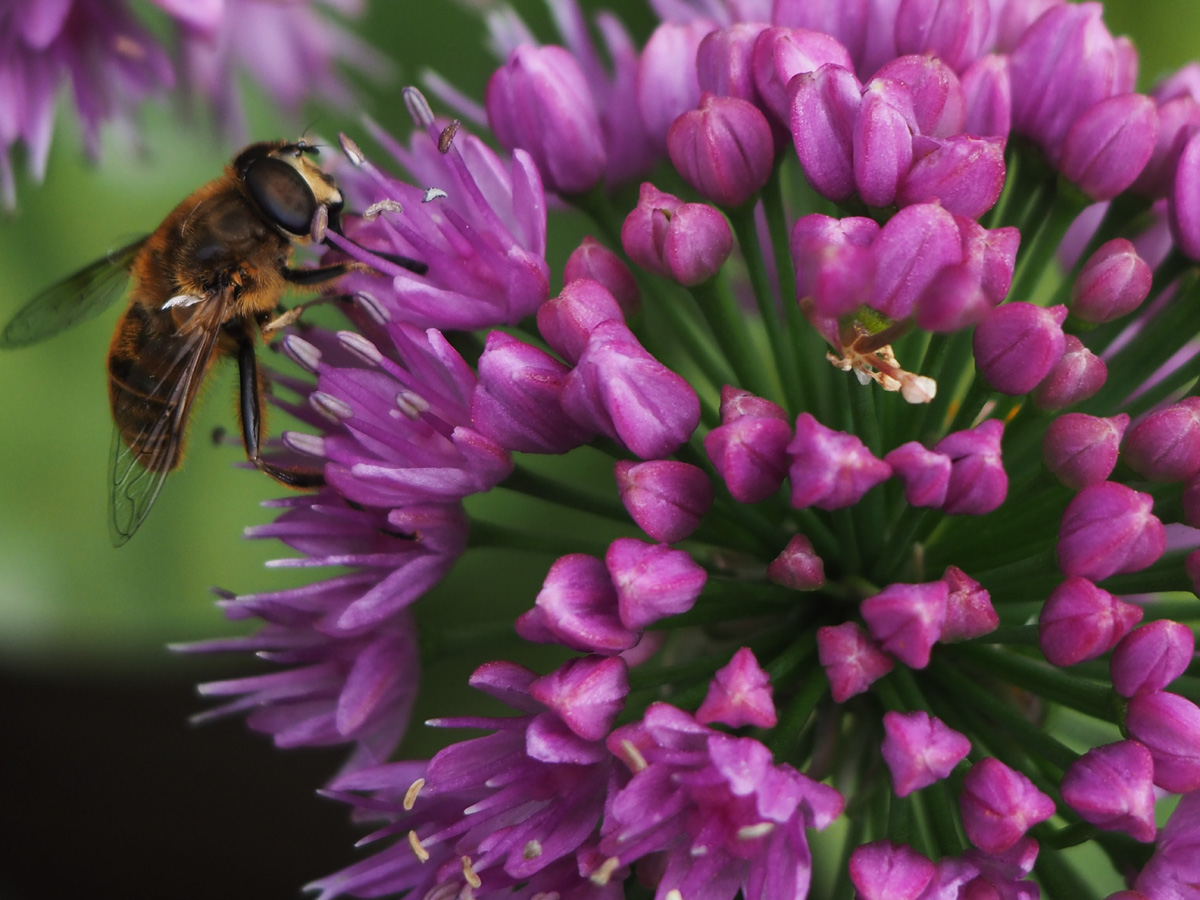
After the flush of Spring flowers, we are left with fewer, but still spectacular, blooms, as we move into proper Summer.







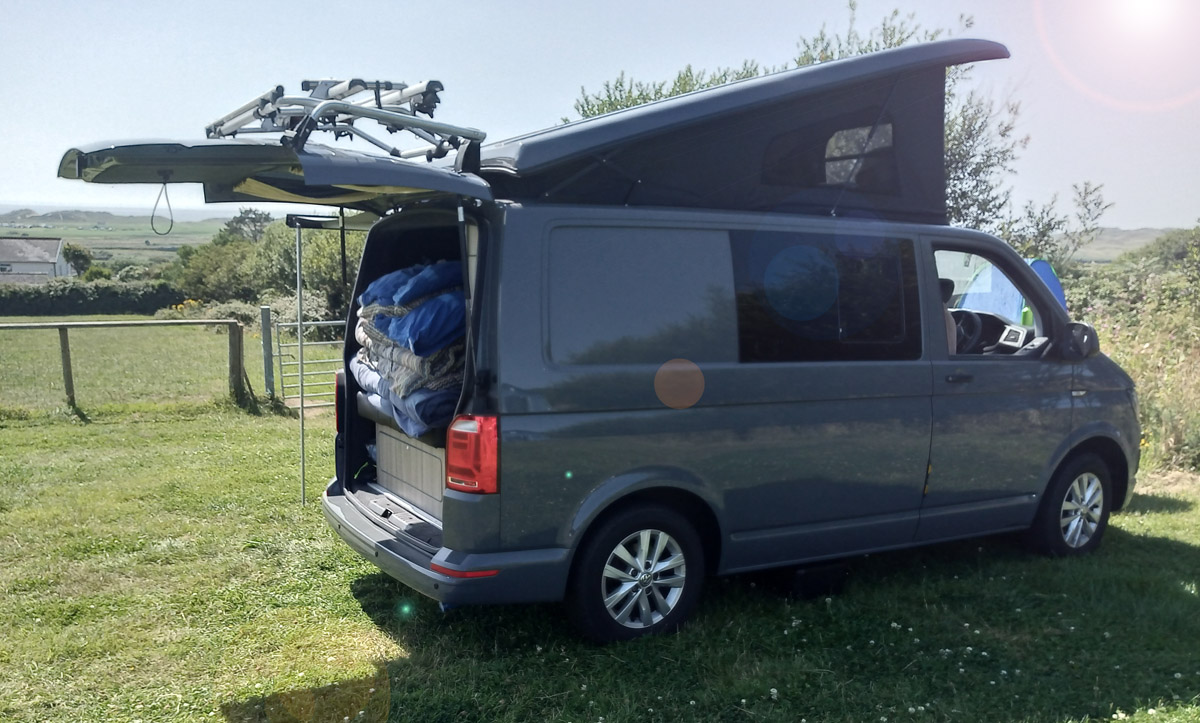
A few very hot days in South Wales, camping at Bank Farm. Too hot to do much so spent most of the time on the beach near Burry Holme island, even some swimming. Famous for saltmarshes which give the lamb farmed a distinctive taste. Sally bought some from the farm by the 14th century Weobley Castle (one of the benefits of having a fridge in the van).


Lucy had a lovely walk, she says, along the banks of The Severn around the loop near Arlingham, west of Frampton.

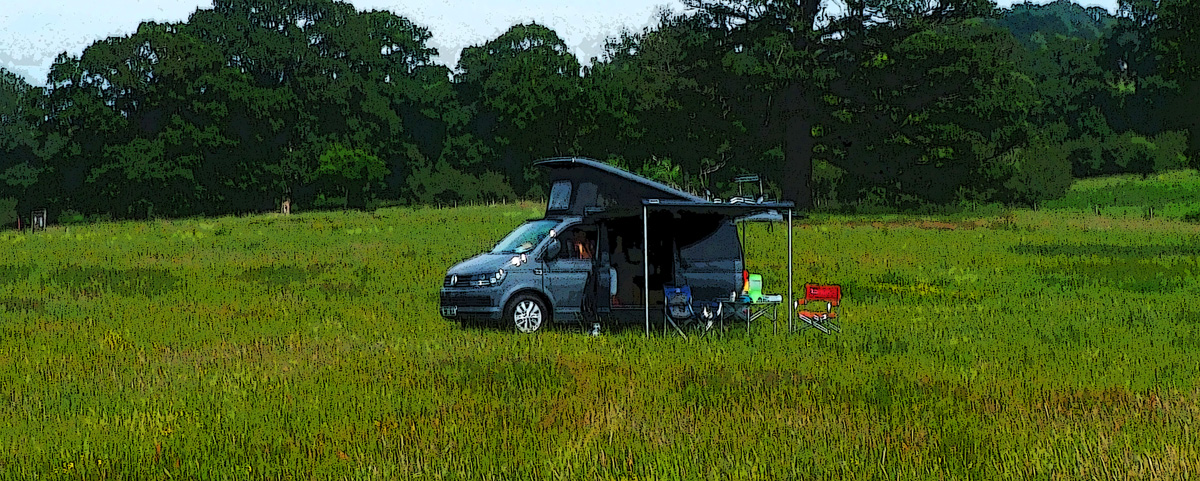
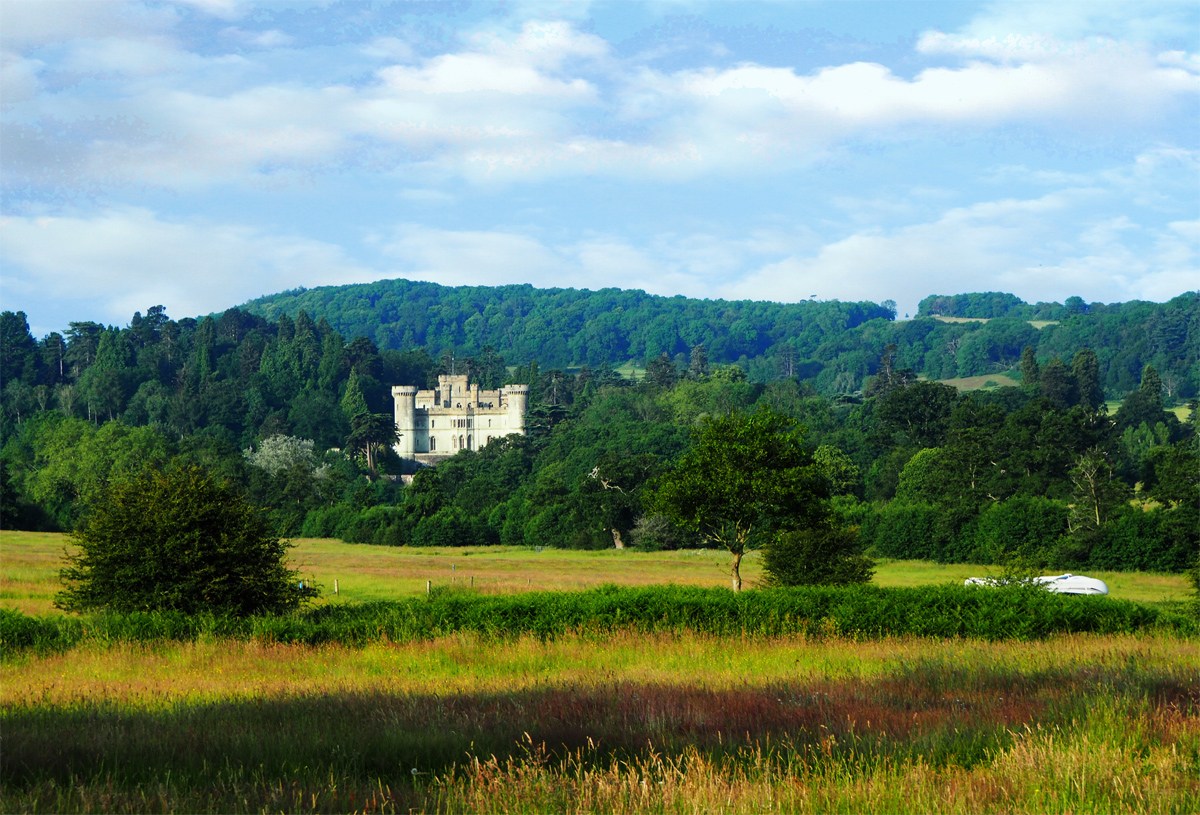
We spent a few days in Eastnor, between Ledbury and the Malvern Hills in Herefordshire. The park is about 300 acres and an AONB, popular with walkers, wildlife watchers and campers. A big attraction for us (and the various people who recommended it to us) was its relaxed attitude to rules and organisation. Also, views of the impressive Eastnor (mock) Castle, built in the early nineteenth century.
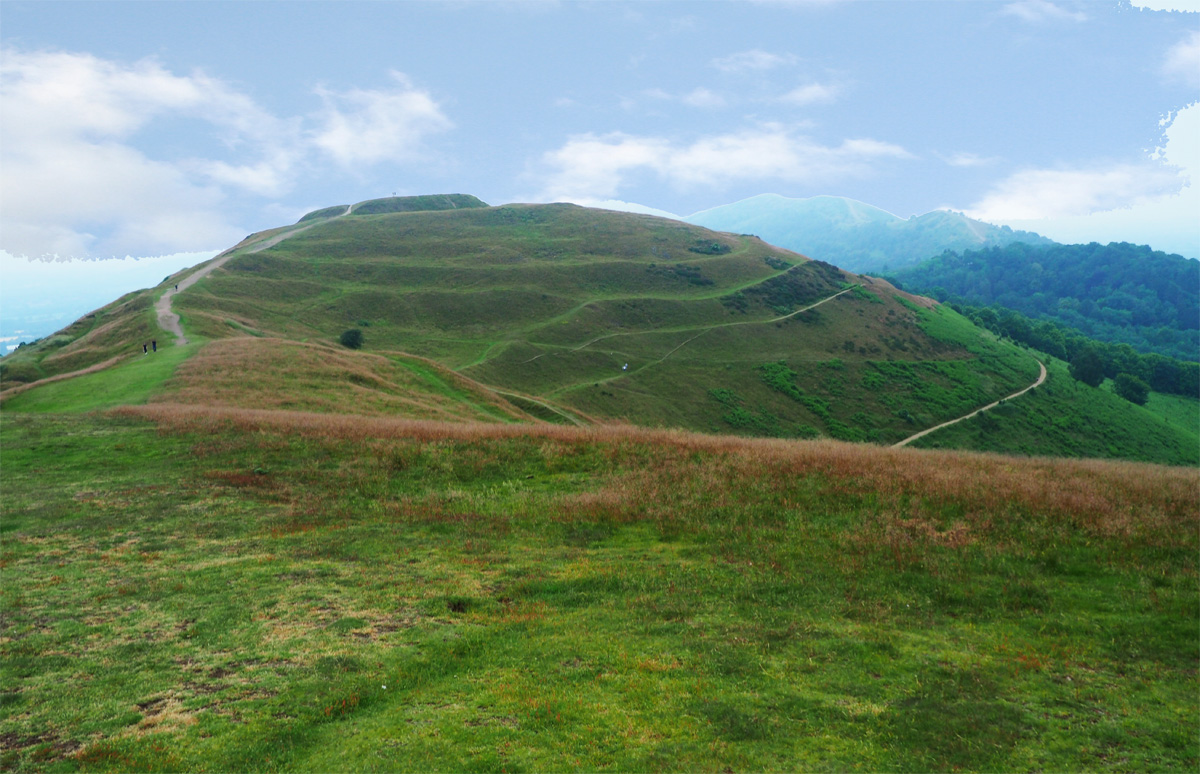
As well as the park itself, we walked up to the Eastnor Obelisk and to the Iron Age British Camp hill fort, and into the pretty town of Ledbury.




The Summer routine is getting under way in the garden pond. Dragonflies are emerging from their carapaces, many eaten before they can fly away by greedy sparrows. Nature, eh? It’s like a jungle out there.

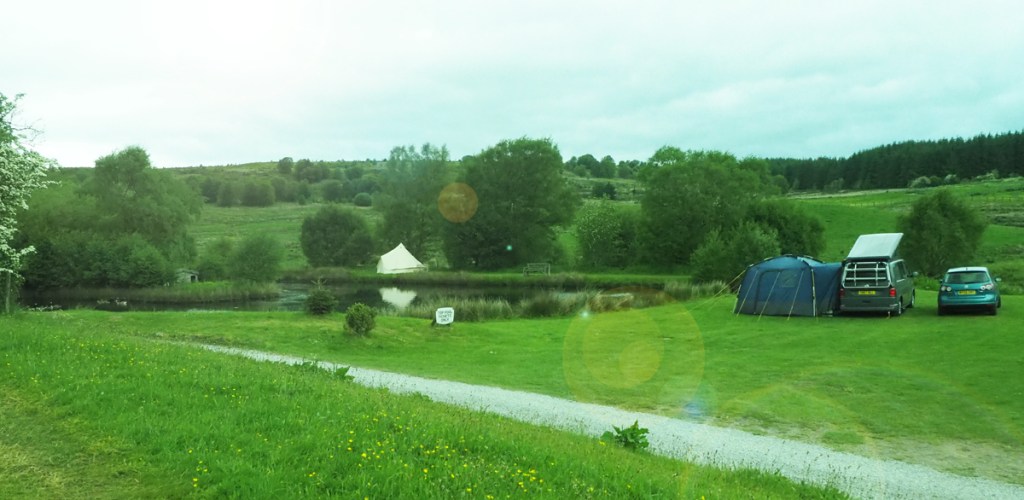
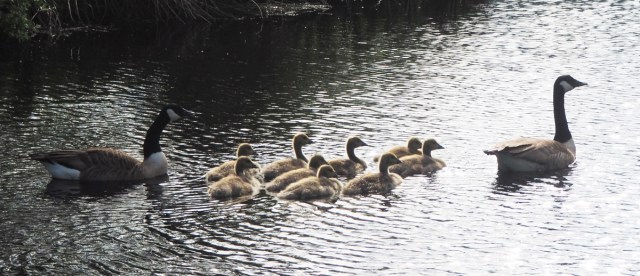
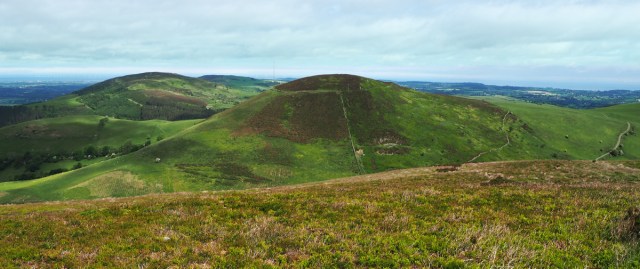
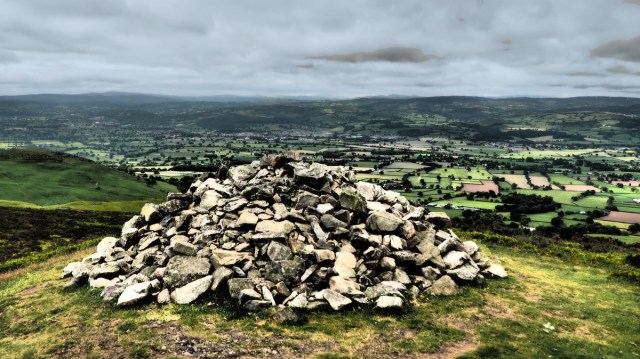
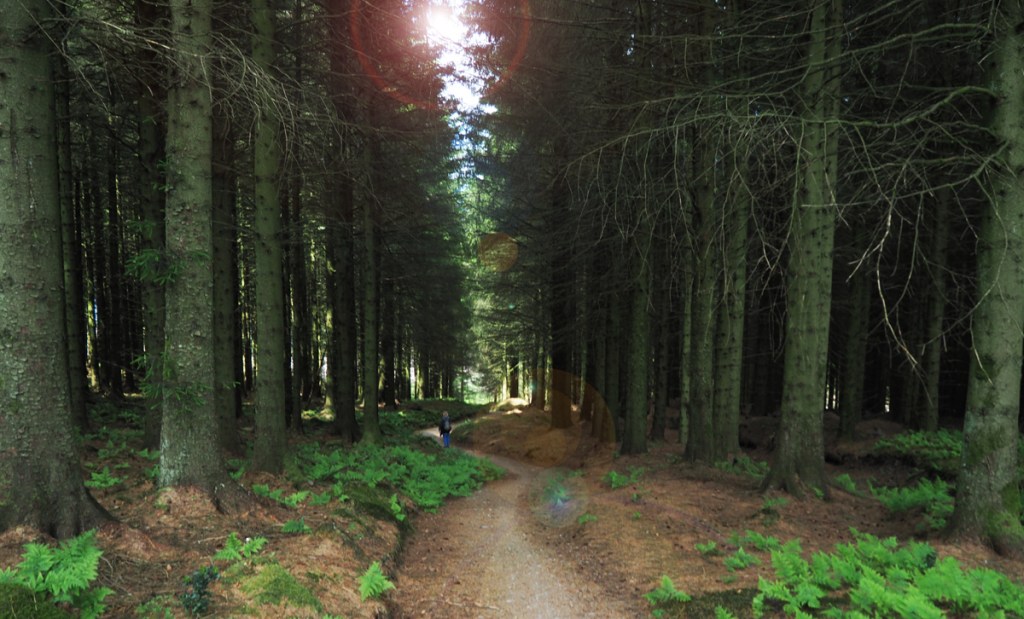
By January 2020 we had walked Offa’s Dyke Path from Chepstow, where the River Wye meets The Severn, to a point just north of Llangollen in Denbighshire, North Wales. Since then, there have been certain difficulties preventing further progress. Now that things are opening up a bit we thought we should try to walk the final thirty-five miles or so. We stayed in the campervan next to some very pretty fishing lakes near Llandegla. The walking terrain is quite tough, almost mountainous, and follows a series of “moels”, or hills. A mix of forest and open moorland, mostly on the Clwydian Range. We got as far as Bodfari, so now only have a few miles to finish the path into Prestatyn. One day, maybe…





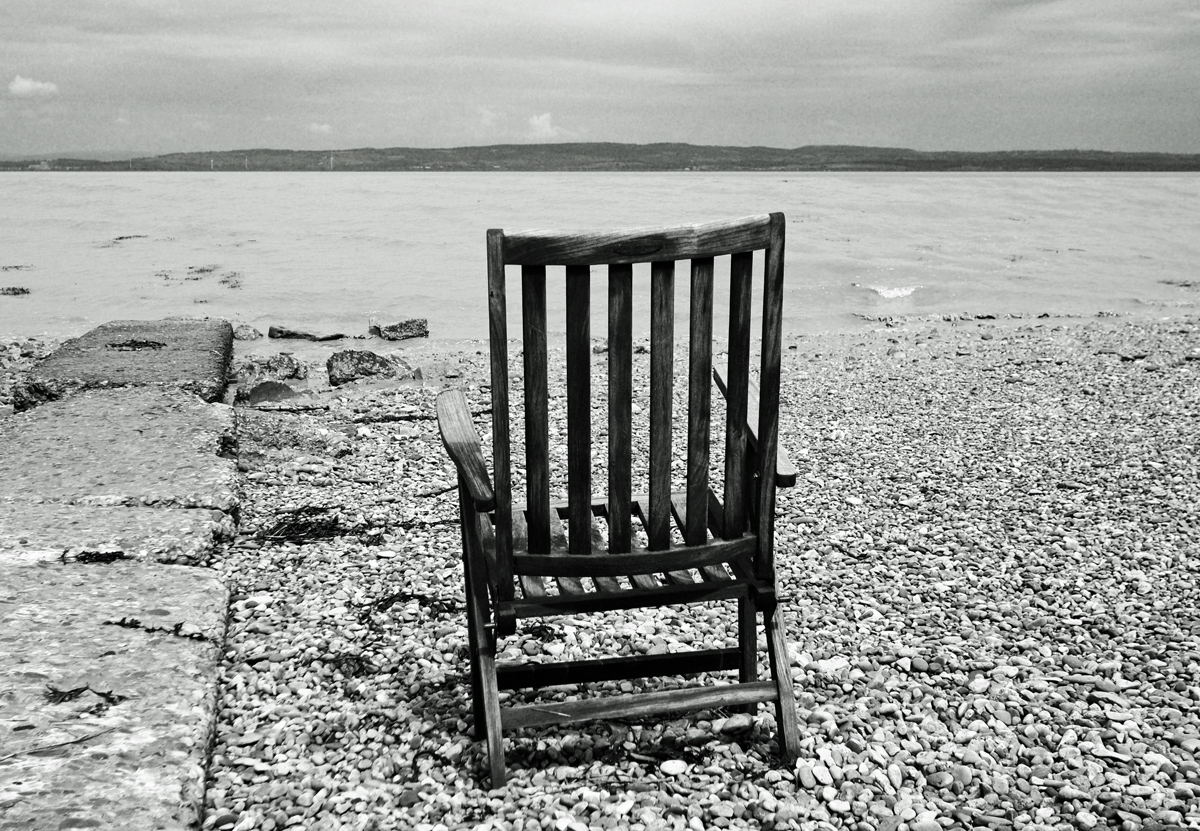
I’ve mentioned before the stuff that gets washed up on the beaches around Portishead and Clevedon. This chair has been hanging around on the sailing club beach for a while. Much used to admire the view, dip toes in the sea, etc.


You must be logged in to post a comment.