
This ‘switchback’ section is generally reckoned to be the toughest on the Trail as it rises and falls through the Shropshire Hills Area of Outstanding Natural Beauty. However the views and sense of tranquillity make the effort well worthwhile. This section also has some of the best preserved sections of Offa’s Dyke that can be found on Llanfair Hill at the point where the Jack Mytton Way crosses the Trail.
Just above Newcastle on Clun you are at the true midpoint of the Trail, with its midway marker, a good photo opportunity for all walkers. At Hergan where there is what seems a natural break in the Dyke, the Shropshire Way joins the Trail. This route will be meet on a number of occasions over the coming days as you head north. Another trail to cross paths with Offa’s Dyke Path on this section is Wild Edric’s Way, named after a Saxon nobleman who led a number of guerrilla wars against the Normans in the middle marches.
There are very few villages on this section but a number of hidden gems await the walker, one of these is Churchtown – at the foot of a narrow valley you find the church but there’s definitely no sign of a town.
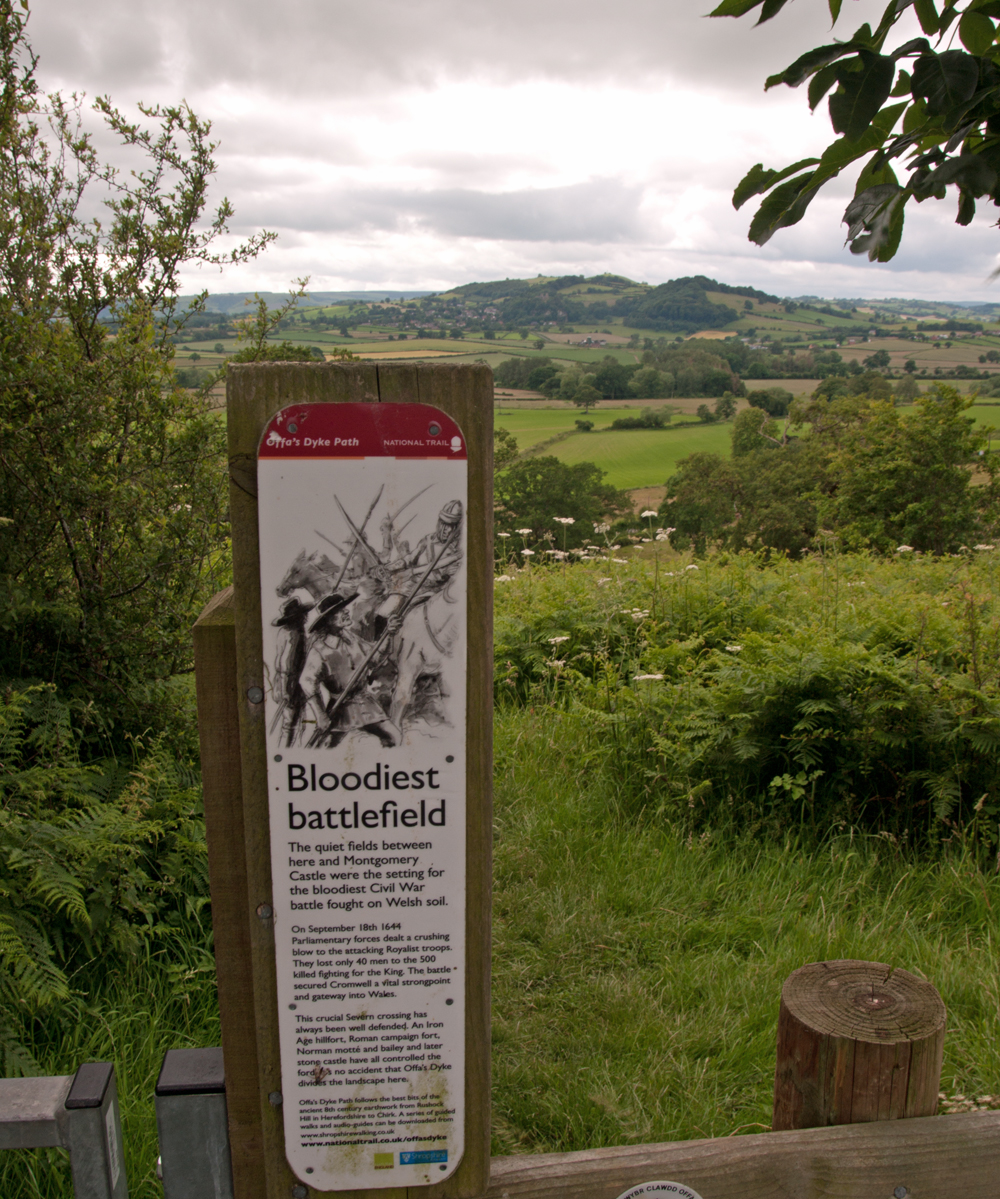
The Kerry Ridgeway is the next trail to cross paths with the route and from this point on it’s level or downhill all the way to Montgomery, very welcome after all the ups and downs of this section of the Trail. [©http://www.nationaltrail.co.uk/]
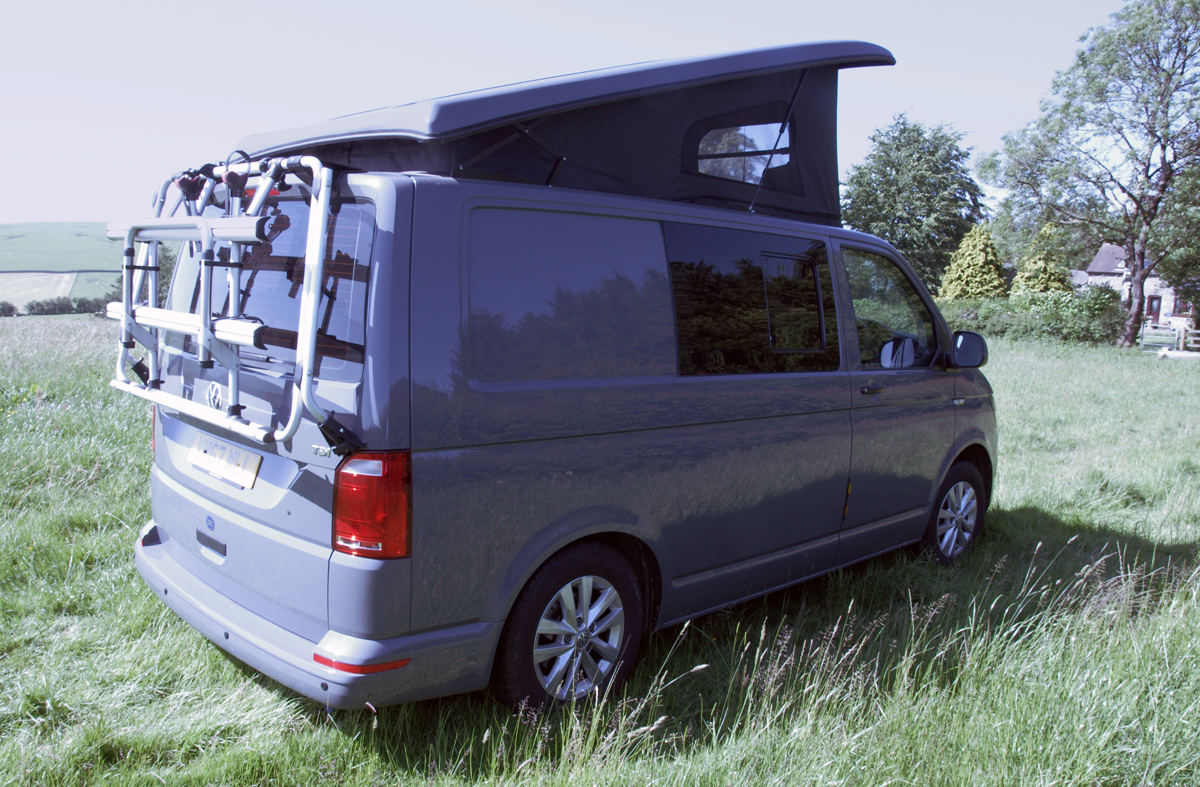
This section really was quite hard work and we broke the journey at Churchstoke. We stayed on two campsites, although the first one, Spring Hill Farm near Newcastle, hardly deserved the title and we stayed there solely because it was actually on Offa’s Dyke path. To be fair, we had a big wildflower meadow to ourselves and spectacular views. I won’t dwell on the “customer services”. The second site was more conventional, just outside Welshpool, where we camped next to the River Severn.




 Martin's Mag.
You must be logged in to post a comment.